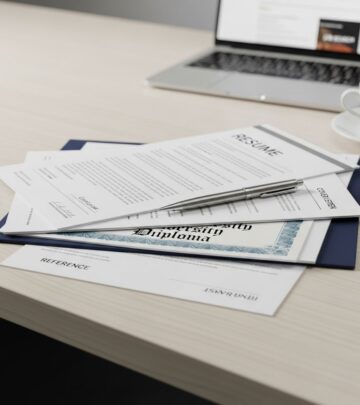
How to Prepare for a New Job Orientation
Master your first day: Essential tips to prepare for new job orientation and succeed.

Starting a new job can feel both exciting and nerve-wracking. The first day and orientation period set the tone for your entire experience at the company. Proper preparation helps you feel more confident, make a strong impression, and transition smoothly into your new role. Whether you’re joining a large corporation or a small startup, taking the time to prepare for your orientation can make a significant difference in your success and comfort level at work.
What to Bring on Your First Day
Before you walk through the door on your first day, make sure you have all the necessary documents and items with you. Being prepared shows professionalism and helps streamline the administrative process.
Essential documents to bring include:
– Social Security card or national identification number- Valid government-issued photo ID- Proof of eligibility to work (passport, green card, or work visa)- Bank account information for direct deposit setup- Emergency contact information- Insurance documents if applicable- Any certifications or licenses relevant to your position
Additionally, bring a notebook and pen to take notes during your orientation sessions. This demonstrates your commitment to learning and helps you remember important information like passwords, key contacts, and procedural details. Having a personal calendar or planner on hand can also help you track meetings and important dates mentioned during orientation.
Familiarize Yourself With the Company Before Day One
Taking time to research your new employer before your first day demonstrates initiative and helps you feel more prepared. Spend an hour or two reviewing the company’s website, reading about their mission and values, and understanding their products or services.
Visit the company’s social media profiles on LinkedIn, Twitter, and Facebook to get a sense of their culture and recent announcements. This knowledge helps you understand the bigger picture of your role and shows that you’ve done your homework. You’ll be better equipped to ask informed questions during orientation and understand conversations with colleagues.
If possible, review any materials the company sent you, including the employee handbook or welcome packet. Familiarizing yourself with company policies, dress codes, and organizational structure beforehand allows you to focus on meeting people and learning job-specific information during your orientation instead of trying to absorb basic company details.
Understand the Orientation Agenda
Reach out to your HR contact or hiring manager before your start date to ask about the orientation schedule. Understanding what to expect helps reduce anxiety and allows you to mentally prepare for different activities and sessions.
Ask about:
– The duration of the orientation period (typically one day to several weeks)- Who you’ll be meeting and when- What training sessions are scheduled- Whether orientation is in-person, virtual, or hybrid- What time you should arrive and where to go- Whether you need to bring any specific documents- Parking or transportation details
Knowing the general flow of your day or week allows you to plan accordingly and reduces uncertainty. If orientation spans multiple days or weeks, ask for a detailed schedule so you can prepare mentally and logistically for each phase.
Plan Your Logistics and Arrival
Practical preparation is just as important as mental preparation. Planning your arrival in advance helps you start the day feeling calm and organized rather than rushed and stressed.
Consider these logistical details:
– Determine the best route to your workplace and the estimated travel time- Plan to arrive 10-15 minutes early on your first day- Arrange parking or familiarize yourself with public transportation options- Check the weather forecast and plan appropriate attire- Prepare your outfit the night before, ensuring it aligns with the company’s dress code- Set multiple alarms to ensure you wake up on time- Eat a healthy breakfast to maintain your energy and focus throughout the day
Arriving early demonstrates punctuality and gives you time to settle in, use the restroom, and calm any pre-day jitters. It also allows you to greet your manager or HR contact without feeling rushed.
Prepare Questions to Ask During Orientation
One of the best ways to engage during orientation is to come prepared with thoughtful questions. This shows your interest in the role and helps clarify important information. Write down questions beforehand so you remember them and don’t forget key details you want to understand.
Some helpful questions to ask include:
– Who are my direct reports or team members, and what are their roles?- What are the key priorities for my position in the first 30, 60, and 90 days?- Who should I reach out to with questions about different aspects of my job?- What systems or software do I need to become proficient in?- How does the company handle feedback and performance reviews?- What professional development opportunities are available?- Can you explain the team’s current projects and how my role fits in?- What is the best way to communicate with my manager?
These questions help you gather essential information while demonstrating genuine interest and engagement to your new colleagues and manager.
Review Your Job Description and Role Expectations
Before your first day, take time to thoroughly review the job description you received during the hiring process. Understanding your core responsibilities, required qualifications, and key performance indicators helps you hit the ground running and feel more confident about your ability to succeed in the role.
Create a list of tasks or competencies mentioned in the job description and think about your experience with each one. This mental preparation helps you identify areas where you might need additional training or support and allows you to ask targeted questions during orientation.
If you don’t have a formal job description, ask your HR contact or hiring manager to provide one or explain your main responsibilities and how your performance will be evaluated. Having a clear understanding of expectations from day one sets you up for success and prevents misunderstandings down the road.
Set Personal Goals for Your First Week and Beyond
Establishing personal goals for your onboarding period gives you direction and helps you stay focused during the busy first weeks. These goals should be realistic yet challenging enough to keep you motivated.
Consider setting goals such as:
– Learn the names and roles of all immediate team members- Complete all required training modules and certifications- Understand the company’s core processes and workflows- Schedule one-on-one meetings with key stakeholders- Familiarize yourself with essential software and systems- Deliver your first significant project or task- Build positive relationships with colleagues from different departments- Complete initial performance metrics or benchmarks
Write these goals down and review them regularly to track your progress. This proactive approach demonstrates your commitment to success and helps you transition smoothly into your new role.
Prepare Mentally for the First Day
Orientation day can be overwhelming as you meet new people, learn new systems, and absorb vast amounts of information. Mental preparation helps you approach the day with confidence and a positive mindset.
Remind yourself that everyone started as a new employee and understands that you’re learning. It’s completely normal to feel nervous or overwhelmed during your first day. Remember that orientation is designed to help you succeed, and your colleagues expect you to ask questions and take time to adjust.
Practice positive self-talk and visualize your first day going smoothly. Imagine successfully meeting colleagues, understanding key concepts during training, and feeling confident about your role. This mental rehearsal can help reduce anxiety and boost your confidence.
Gather Any Required Credentials or Information
Depending on your industry or position, you may need specific credentials, licenses, or background information. Prepare these well in advance to avoid delays or complications during your orientation.
Ask your HR contact whether you need:
– Professional licenses or certifications- Background check clearance- Security clearance or access credentials- Physical or health screening results- Drug screening documentation- Professional references or verification forms
Having all required documentation ready ensures your orientation proceeds smoothly without unnecessary delays. It also shows professionalism and preparedness to your new employer.
Plan Your Wardrobe
First impressions matter, so planning your attire for the first day and beyond is important. Review the company’s dress code policy if it was provided to you. If you’re unsure about the appropriate dress code, ask your HR contact or hiring manager for guidance.
For most professional settings, it’s better to be slightly overdressed than underdressed on your first day. Wear something that makes you feel confident and comfortable. Choose clothing that reflects the company’s culture while ensuring you feel like yourself.
Plan a few outfit options for your first week so you can adjust your style based on what you observe your colleagues wearing. This flexibility helps you blend in and feel more comfortable as you learn the company’s culture and norms.
Connect With Your New Colleagues Before Day One
If your company provided you with contact information for your manager or team members, consider reaching out before your start date. A simple, friendly email or message expressing your excitement about joining the team can help break the ice and start building relationships early.
This initial contact also gives you an opportunity to ask any last-minute questions about logistics, parking, or what to expect on your first day. Most colleagues appreciate the initiative and may offer helpful advice or reassurance to new hires.
Create a Personal Orientation Binder or Digital Folder
During orientation, you’ll receive numerous documents, passwords, contact information, and procedural guides. Staying organized from day one makes it easier to reference important information later.
Create a physical binder or digital folder where you can store:
– Employee handbook and policy documents- Organizational charts and team structures- Contact lists for key departments and individuals- System login credentials and access information- Training materials and procedure guides- Benefits information and enrollment documents- First-week schedule and upcoming meeting times
Organizing this information as you receive it prevents important details from getting lost and demonstrates your organizational skills to colleagues.
Understand Payroll and Benefits Information
One crucial aspect of orientation involves understanding your compensation, benefits, and payroll setup. Before your first day, familiarize yourself with general concepts like:
Key compensation and benefits topics include:
– How and when you’ll receive your paycheck (weekly, biweekly, monthly)- The benefits enrollment process and deadlines- Available health insurance, retirement, and other benefit options- Your salary, signing bonus, or other compensation details- Tax withholding and direct deposit requirements- Paid time off policies and how to request time off- Professional development or training budgets if available
Understanding these details beforehand helps you make informed decisions during benefits enrollment and prevents confusion about your compensation package.
Know What to Expect During Orientation
While every company’s orientation differs, most follow a similar general structure. Understanding the typical orientation format helps you know what to expect and feel more prepared.
Common orientation activities include:
– Welcome session and office tour- Meeting with HR to complete paperwork- Introduction to your manager and immediate team- Presentation on company history, mission, and values- Overview of company policies and procedures- IT setup and access credential distribution- Job-specific training and role expectations review- Workplace safety and emergency procedures briefing- Meet-and-greet activities with colleagues- Review of benefits, compensation, and other administrative matters
Knowing this general flow helps you mentally prepare for each component and understand how different pieces of information fit together.
Prepare to Take Notes Effectively
During orientation, you’ll receive substantial amounts of information in a short period. Developing an effective note-taking system helps you retain important details and refer back to them later.
Bring a notebook specifically for orientation notes and organize your notes by topic (company overview, systems access, team members, policies, etc.). Use abbreviations and shorthand to capture information quickly. After each session, review your notes and fill in any gaps while the information is fresh in your mind.
Consider asking for copies of training slides or documentation to supplement your notes. Taking thorough notes demonstrates your commitment to learning and creates a valuable reference for your first weeks on the job.
Develop a Positive Attitude
Your mindset significantly impacts your orientation experience and how colleagues perceive you. Approach your first day with enthusiasm, openness, and a willingness to learn. This positive attitude helps you build relationships, absorb information more effectively, and create a great first impression.
Remember that everyone around you was once new to the company and understands what you’re experiencing. Most colleagues are eager to help new team members succeed. Embrace the learning process, ask questions without hesitation, and show genuine interest in your role and the company.
Frequently Asked Questions
Q: What time should I arrive on my first day?
A: Plan to arrive 10-15 minutes early on your first day. This gives you time to find parking, use the restroom, and settle your nerves before meeting your manager or HR contact.
Q: What if I don’t understand something during orientation?
A: Don’t hesitate to ask for clarification. Orientation leaders expect questions, and it’s better to ask than to struggle with confusion later. Take notes on areas where you need follow-up and ask your manager or buddy for additional help if needed.
Q: How long does orientation typically last?
A: Orientation duration varies by company. Some companies complete orientation in one day, while others spread it over several weeks. Ask your HR contact for the specific timeline for your company.
Q: Should I bring personal items on my first day?
A: Bringing a few small personal items is fine, but save most decorating for after you’ve settled in. Focus on essentials and documents on day one. You can personalize your workspace once you’re more comfortable.
Q: What if I’m nervous about meeting new people?
A: Nervousness is completely normal. Remember that your colleagues expect you to be new and want to help you succeed. Come prepared with some questions or talking points about your background or interests to make introductions easier.
Q: How can I make a good impression during orientation?
A: Make a good impression by being punctual, professional, engaged, and willing to learn. Ask thoughtful questions, take notes, follow through on any tasks assigned, and be friendly and open to your new colleagues.
Q: What should I do after orientation ends?
A: After formal orientation ends, continue building relationships with colleagues, complete any outstanding training, and focus on delivering quality work in your role. Follow up on items discussed during orientation and maintain regular communication with your manager.
Q: Is it okay to take notes during orientation?
A: Absolutely. Taking notes demonstrates your commitment to learning and helps you retain important information. Most orientation leaders appreciate when new hires take notes and ask questions.
References
- How to Write an Employee Orientation Checklist — Whale. Accessed November 2025. https://usewhale.io/blog/employee-orientation-checklist/
- New Employee Orientation: Checklist for Best Practices — Mosey. Accessed November 2025. https://mosey.com/blog/new-employee-orientation-employers-guide/
- New Employee Orientation Guide — TalentLMS. Accessed November 2025. https://www.talentlms.com/blog/guide-new-employee-orientation/
- 4 Employee Onboarding Checklist Templates for Today’s Workforce — Staffbase. Accessed November 2025. https://staffbase.com/blog/employee-onboarding-checklist
- Checklist: New Hire Orientation — SHRM (Society for Human Resource Management). Accessed November 2025. https://www.shrm.org/topics-tools/tools/forms/checklist-new-hire-orientation
- New Hire Onboarding Checklist — Indeed for Employers. Accessed November 2025. https://www.indeed.com/hire/c/info/new-hire-onboarding-checklist
Similar Articles








Read full bio of medha deb