How to Pick Perfectly Ripe Produce Every Time
Master the art of selecting fresh fruits and vegetables at peak ripeness to avoid waste and save money.
One of the most frustrating experiences for budget-conscious shoppers is bringing home fresh produce only to discover it’s rotten a couple of days later. This common problem doesn’t just waste money—it also contributes to unnecessary food waste. Learning how to pick produce correctly is an essential skill that can significantly extend the lifespan of your fruits and vegetables while ensuring you get the best quality for your money.
Whether you’re shopping at a farmers market, discount grocery store, or specialty produce stand, knowing how to select fruits and vegetables at their peak ripeness is crucial. This guide will teach you practical techniques for identifying perfectly ripe produce so you can maximize your grocery budget and minimize waste.
Why Picking the Right Produce Matters
Selecting produce at the right stage of ripeness is about more than just taste. When you choose fruits and vegetables that are properly ripened but not overripe, you’re making a smart financial decision. Produce that’s too ripe will spoil within days, wasting your money. Conversely, produce that’s underripe may never develop proper sweetness and flavor, leaving you disappointed with your purchase.
By developing the ability to identify perfectly ripe produce, you’ll:
- Reduce food waste and save money on groceries
- Enjoy fruits and vegetables at their peak flavor and nutrition
- Make better purchasing decisions based on your eating timeline
- Extend the shelf life of your produce at home
- Build confidence in your shopping abilities
How to Pick Avocados
Avocados are notoriously tricky to select because they can go from perfectly ripe to overripe in just one day. The key is understanding the timeline of avocado ripeness.
A perfectly ripe avocado should yield slightly to gentle pressure when held in your palm. Avoid squeezing too hard or using your fingers to press, as this can bruise the delicate flesh underneath. If an avocado feels rock-hard, it needs another day or two to ripen. If it feels mushy or has dark spots on the skin, it’s past its prime.
For the most reliable method, hold the avocado in your hand and gently squeeze. It should feel like a ripe peach—soft but still holding its shape. If you’re planning to use the avocado immediately, choose one that’s already soft. If you want it in a few days, select a firmer one and let it ripen at home in a paper bag or on your kitchen counter.
How to Pick Pineapples
Pineapples can be deceptive because their exterior color doesn’t always indicate ripeness. Instead of relying solely on color, use multiple sensory cues to determine if a pineapple is ready to eat.
First, check the smell. A ripe pineapple should have a sweet, fragrant aroma at the base of the fruit. If it smells fermented or overly strong, it’s overripe. Next, gently squeeze the pineapple with both hands. It should give slightly to pressure but not feel mushy. Finally, try gently pulling at one of the crown leaves—on a ripe pineapple, a leaf should come out with minimal resistance.
The color should be golden yellow, but note that some varieties have green undertones even when ripe. Brown or dark spots on the skin indicate overripeness, so avoid these fruits. A fresh, firm pineapple with a sweet fragrance will provide the best eating experience.
How to Pick Melons
Selecting a perfectly ripe melon—whether it’s cantaloupe, honeydew, or watermelon—requires checking several indicators since melons don’t continue ripening after harvest.
For Cantaloupes: Look for a beige or tan netted skin with no green coloring. The fruit should have a sweet, musky fragrance and yield slightly to pressure at the blossom end (opposite the stem). If the melon feels too soft or has soft spots, it’s overripe.
For Honeydew Melons: Choose melons with a creamy yellow skin rather than green. The fruit should feel heavy for its size and smell fragrant and sweet. Gently press the blossom end—it should yield slightly.
For Watermelons: Look for a firm melon with a pale yellow spot on one side where it rested on the ground. Tap the watermelon with your knuckles; a ripe melon will produce a hollow, resonant sound. The skin should be dull rather than shiny, and the melon should feel heavy for its size.
How to Pick Berries
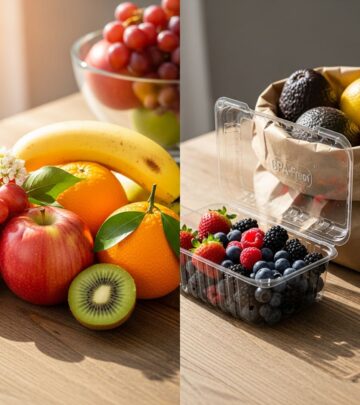
Berries are delicate fruits that spoil quickly, so it’s important to select the finest specimens available. When shopping for berries—whether strawberries, blueberries, raspberries, or blackberries—inspect the container carefully.
Look for berries that are:
- Fully colored without white or green patches
- Plump and firm, not shriveled
- Free of mold or soft spots
- Dry rather than wet or sticky
If possible, examine the bottom of the container for crushed berries or excess liquid, which indicates that the berries aren’t fresh. Always purchase berries that look dry, even if you plan to wash them at home. Berries purchased at farmers markets are often fresher than those from supermarkets since they haven’t been shipped as far.
How to Pick Apples
Apples are among the easiest fruits to select because they’re relatively forgiving. When choosing apples, look for firm fruit without soft spots, bruises, or blemishes. The skin should feel waxy and smooth, not shriveled or wrinkled.
Different apple varieties have different optimal ripeness levels. Red apples should have deep, even coloring. Green apples should be firm and bright green. In general, avoid apples with cuts, punctures, or large blemishes, as these compromise the fruit’s shelf life.
One advantage of apples is that they store exceptionally well in the refrigerator, often lasting several weeks. So if you find a good deal on quality apples, you can buy several without worry about them spoiling quickly.
How to Pick Bananas
The ideal ripeness for bananas depends on how quickly you plan to eat them. Bananas continue ripening after harvest, so timing is important.
For eating immediately or within a day, choose bananas with a completely yellow skin and no green coloring. For eating later in the week, select bunches that are mostly yellow with slight green at the crown. If you prefer firm bananas, choose ones with greenish tips.
Avoid bananas with brown spots if you want to eat them soon, though these spotted bananas are perfect for baking or smoothies. Bananas with brown streaks throughout the skin are very ripe and best consumed immediately or frozen for later use.
How to Pick Stone Fruits
Stone fruits like peaches, plums, nectarines, and apricots should yield gently to pressure when ripe, similar to avocados. Hold the fruit in your palm and apply gentle pressure—a ripe stone fruit will give slightly without feeling mushy.
The skin color should be vibrant and even, with no green undertones or large blemishes. Smell the fruit if possible; a fragrant aroma indicates ripeness. Avoid fruits with hard spots that won’t soften or those that feel mushy throughout.
Stone fruits don’t ripen well after picking, so choose fruits that are already nearly ripe. If you need them to ripen slightly more, place them in a paper bag at room temperature for a day or two.
How to Pick Citrus Fruits
Oranges, lemons, limes, and grapefruits are relatively easy to select because they don’t change much after harvest. Focus on choosing fruits that feel heavy for their size, which indicates they’re full of juice.
The skin should be smooth and free of soft spots, mold, or blemishes. Avoid fruits that feel light or have wrinkled skin, as these are signs of dehydration. Citrus fruits store well in the refrigerator and can last several weeks, so you can confidently buy in bulk to take advantage of sales.
How to Pick Leafy Vegetables
When selecting lettuce, spinach, kale, and other leafy greens, look for crisp, vibrant leaves with no wilting, yellowing, or brown spots. The leaves should feel dry rather than slimy or damp.
Check the base of the bunch for any signs of decay or rot. If you’re buying packaged greens, examine the container for excess moisture or yellowed leaves. Remember that pre-packaged salad greens may have a shorter shelf life than whole heads of lettuce.
How to Pick Root Vegetables
Carrots, beets, turnips, and other root vegetables should feel firm and smooth without soft spots or significant blemishes. The skin should be intact and not shriveled or wrinkled, which indicates the vegetable has been stored too long.
These vegetables store exceptionally well, often lasting several weeks in the refrigerator. You can confidently purchase them when on sale or from bulk bins, knowing they’ll remain fresh for extended periods.
Understanding Seasonal Produce
The best approach to picking ripe produce is to understand what’s in season in your area. Seasonal produce ripens naturally and is harvested at peak ripeness, making it easier to find perfectly ripe fruits and vegetables. Seasonal produce also tends to be cheaper, more flavorful, and more nutritious than out-of-season alternatives.
Before heading to the store or farmers market, research what’s in season. Tools like the Natural Resources Defense Council’s seasonal produce guide allow you to see what’s in-season by state and month. This knowledge helps you make better selections and take advantage of peak-season pricing.
Tips for Produce Selection Success
- Use multiple senses: Don’t rely solely on appearance. Smell the fruit, feel its weight and firmness, and examine it from all angles.
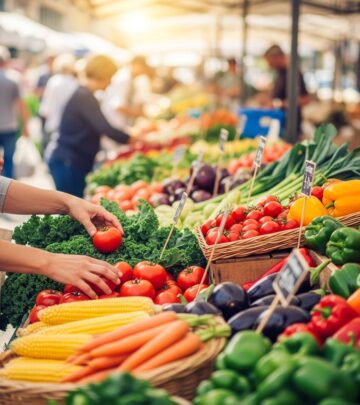
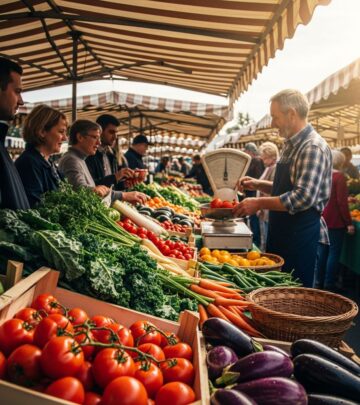
- Buy from farmers markets: Produce at farmers markets is often fresher and has been picked more recently than supermarket produce, making it easier to select ripe fruits and vegetables.
- Ask the vendor: Farmers market vendors are knowledgeable and can advise you on which items are ripe and ready to eat versus which ones will ripen in a day or two.
- Inspect the entire item: Don’t just look at the prettiest side of the fruit or vegetable. Rotate it and check for hidden soft spots or blemishes.
- Buy in small quantities: Until you’re confident in your selection abilities, buy smaller quantities so that if you misjudge ripeness, you’re not wasting as much money.
- Plan your timeline: Consider when you’ll eat each item and choose accordingly. Select riper items for immediate consumption and firmer items for later in the week.
Frequently Asked Questions
Q: How can I tell if a fruit is ripe if I’m allergic to touching it?
A: You can observe the color, smell the fruit from a distance, and ask store staff or farmers market vendors to assess the ripeness for you. Many vendors are happy to help customers select perfectly ripe produce.
Q: Can I ripen produce at home if I pick something that’s too firm?
A: Some fruits like avocados, bananas, and stone fruits will ripen at room temperature, especially when placed in a paper bag. However, fruits like berries and citrus don’t ripen further after harvest, so it’s best to select those at proper ripeness in the store.
Q: What should I do if I accidentally pick overripe produce?
A: Overripe fruits and vegetables can often be used in cooked dishes, smoothies, sauces, jams, or baked goods. For example, overripe bananas are perfect for banana bread, and soft berries work well in jams and smoothies.
Q: Is it okay to buy “ugly” produce that’s less ripe?
A: Yes, ugly produce is often priced lower and is perfectly fine to consume. Minor blemishes and imperfections don’t affect the taste or nutritional value. You can often peel away surface damage and use the rest of the fruit or vegetable.
Q: How do I know what’s in season in my area?
A: Use online resources like the Natural Resources Defense Council’s seasonal produce guide or the Locavore app, which shows you what’s in season by state and month. This information helps you select naturally ripe produce at the best prices.
References
- How to Buy Perfectly Ripe Fruits and Vegetables, Every Time — The Penny Hoarder. 2025. https://www.thepennyhoarder.com/save-money/how-to-pick-produce/
- How to Save Money on Produce With These Simple Tips — The Penny Hoarder. 2025. https://www.thepennyhoarder.com/save-money/how-to-save-money-on-produce/
- Save Money On Food By Buying Ugly Produce — The Penny Hoarder. 2025. https://www.thepennyhoarder.com/save-money/ugly-produce/
- How to Shop at Farmers Markets and Cut Your Food Budget — The Penny Hoarder. 2025. https://www.thepennyhoarder.com/save-money/eat-local-and-save-shopping-at-farmers-markets/
- How Long Does Fresh Produce Last? Our Guide Will Tell You — The Penny Hoarder. 2025. https://www.thepennyhoarder.com/save-money/how-long-does-produce-last/
- How to Store 13 Fruits and Veggies So They Stay Fresh — The Penny Hoarder. 2025. https://www.thepennyhoarder.com/save-money/store-fruits-vegetables/
Similar Articles








Read full bio of Sneha Tete