How To Pick A Travel Insurance Policy: Expert Checklist
Navigate travel insurance options to find comprehensive coverage that protects your trips without overpaying for unnecessary features.
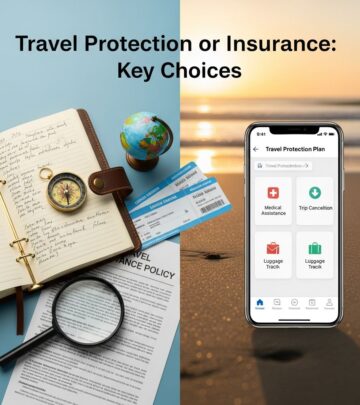
Travel insurance provides a safety net for unexpected events like medical emergencies, trip cancellations, or lost baggage, but selecting the right policy requires careful evaluation of your needs and options. With policies ranging from basic credit card perks to comprehensive standalone plans, understanding coverage types, limits, and exclusions ensures you get value without gaps in protection.
Understand What Travel Insurance Covers
Travel insurance typically bundles several key protections into one policy. The main categories include trip cancellation and interruption, medical expenses, emergency evacuation, baggage loss, and travel delays. Comprehensive plans often cover all these for a single premium, making them popular for international trips.
Trip
cancellation insurance
reimburses prepaid, nonrefundable expenses if you must cancel before departure due to covered reasons like illness, injury, or severe weather. Tripinterruption coverage
handles disruptions after departure, reimbursing unused portions of your trip.Emergency
medical and dental coverage
pays for treatment abroad, crucial since many domestic health plans exclude international care.Medical evacuation
transports you to adequate facilities or home, often costing $50,000–$100,000 without insurance.**Baggage protection** compensates for lost, stolen, or damaged luggage, while
baggage delay
covers essentials like clothing if bags arrive late. Traveldelay insurance
reimburses meals, hotels, and other costs from flight delays.Assess Your Travel Needs Before Buying
Not all trips require the same coverage. Consider your destination, trip length, activities, health, and pre-existing conditions to tailor your policy.
- Domestic vs. International: Domestic trips may need less medical/evacuation coverage; international travel demands higher limits, as many countries require proof of insurance.
- Trip Duration: Short trips (under 7 days) might suffice with credit card benefits; longer adventures need robust standalone policies.
- Activities: Adventure sports like skiing or scuba often require add-ons, as standard policies exclude them.
- Pre-Existing Conditions: Buy within 15–30 days of your initial deposit for waiver coverage.
- Group Travel: Ensure family or companions are included; credit cards often cover spouses/children under specific rules.
| Factor | Low-Risk Trip | High-Risk Trip |
|---|---|---|
| Coverage Needed | Basic (delays, baggage) | Comprehensive (medical, evacuation) |
| Cost Estimate | 3–5% of trip cost | 5–8% of trip cost |
| Best Option | Credit card perks | Standalone policy |
Expect to pay 4–6% of your total trip cost for good coverage.
Compare Credit Card Benefits vs. Standalone Policies
Many premium credit cards offer travel insurance activated by charging trips to the card. These provide convenience but often limited scope.
Credit card perks typically include trip cancellation/interruption ($2,000–$10,000 per person), baggage delay/loss, and rental car excess. Premium cards like Chase Sapphire Reserve offer up to $10,000 cancellation/$20,000 trip max; basic ones cap at $2,000.
However, limitations abound: age caps (e.g., under 80), residency requirements, prepayment mandates, and exclusions for cruises, snow sports, or pre-existing conditions.
| Feature | Credit Card Insurance | Standalone Insurance |
|---|---|---|
| Coverage Scope | Limited/basic | Comprehensive w/ extras |
| Eligibility | Cardholder-specific | Anyone accepted |
| Trip Length | Short trips | Long-term OK |
| Medical/Evacuation | Often excluded | High limits ($25K+ medical) |
| Pre-Existing Conditions | Rarely covered | Often w/ timely purchase |
For low-risk, short trips, credit cards may suffice. High-value, risky, or long trips demand standalone policies from providers like Berkshire Hathaway or Travelex.
Key Coverages to Prioritize
Focus on these essentials:
- Trip Cancellation/Interruption: Essential for deposits; aim for 100% reimbursement.
- Emergency Medical: $50,000+ minimum outside U.S.
- Evacuation/Repatriation: Unlimited or $1M+; critical for remote areas.
- Baggage: $1,000–$3,000 per person.
- Delays: 6–12 hour triggers with $150–$500/day.
Skip redundancies like accidental death if covered by life insurance.
Read the Fine Print: Exclusions and Limits
Policies vary; scrutinize:
- Exclusions: Pandemics, known events, extreme sports, war zones.
- Definitions: “Family member” might exclude aunts; verify.
- Claims Process: Document everything; some pay primary, others secondary.
- Refundability: Check cancellation windows.
- Add-Ons: Cover packages, pre/post-tour bookings.
Shop Smart: How to Compare Policies
Use aggregator sites but verify with providers. Compare:
- Price vs. coverage limits.
- Customer reviews for claims ease.
- A.M. Best ratings for financial stability.
- 24/7 assistance hotlines.
Buy early for pre-existing waivers; policies are often refundable initially.
Who Needs Standalone Insurance?
Opt for it if:
- Traveling internationally/long-term.
- Pre-existing conditions or seniors.
- Adventure activities/cruises/skiing.
- Trip cost >$5,000.
- Credit card limits too low.
Frequently Asked Questions (FAQs)
Q: Is credit card travel insurance enough?
A: For short, low-risk domestic trips, yes; but international, adventure, or high-value trips need standalone for medical/evacuation coverage.
Q: When should I buy travel insurance?
A: Within 15–30 days of first deposit for pre-existing condition waivers.
Q: Does travel insurance cover pandemics?
A: Varies; many now include epidemic coverage—check policy.
Q: What’s the average cost?
A: 4–6% of trip cost; e.g., $200–$300 for $5,000 trip.
Q: Can I insure expensive trips?
A: Yes, with “cancel for any reason” upgrades up to 75% reimbursement.
Final Tips for Peace of Mind
Layer coverages wisely: use credit cards for basics, standalone for gaps. Document bookings, keep policy digitally, and contact provider immediately for claims. Proper insurance turns potential disasters into manageable hiccups.
References
- Is Credit Card Travel Insurance enough? Coverage, eligibility & more — Wise. 2023. https://wise.com/au/blog/is-credit-card-travel-insurance-enough
- Your guide to travel insurance ahead of your next trip — CreditCards.com. 2024-01-12. https://www.creditcards.com/education/travel-insurance-cards-guide/
- Do I Need Travel Insurance? — Rick Steves. 2025. https://www.ricksteves.com/travel-tips/trip-planning/travel-insurance
- How to Pick a Travel Insurance Policy — WiseBread. 2023. https://www.wisebread.com/how-to-pick-a-travel-insurance-policy
- When Is Your Credit Card’s Travel Insurance Good Enough? — WiseBread. 2023. https://www.wisebread.com/when-is-your-credit-cards-travel-insurance-good-enough
- The Dirt on Travel Insurance — WiseBread. 2023. https://www.wisebread.com/the-dirt-on-travel-insurance
Similar Articles








Read full bio of medha deb