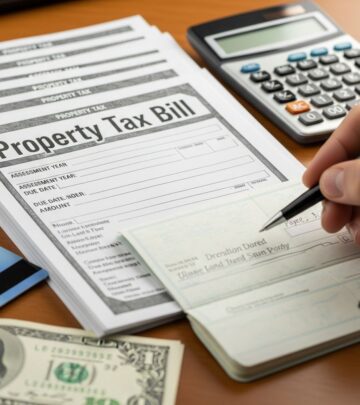
How To Pay Your Property Tax Bill: A Step-By-Step Guide
Complete guide to understanding and paying property taxes on time with multiple payment options.
How to Pay Your Property Tax Bill: A Complete Guide
Property taxes represent one of the largest ongoing expenses for homeowners. Understanding how to properly pay your property tax bill and when payments are due can help you avoid penalties and manage your finances more effectively. This guide provides detailed information about property tax payment procedures, deadlines, and options available to taxpayers.
Understanding Property Tax Basics
Property taxes are assessed by local governments to fund essential services including public schools, county governments, municipal services, and special districts. The amount you owe depends on several factors including your property’s assessed value, the local tax rate, and your property classification. Property tax bills are typically mailed early in the calendar year, with the first notices arriving shortly after January 1.
The property tax calculation involves multiple components working together. First, your property is classified according to its actual use on a specific valuation date. Next, the county assessor determines the actual market value of your property using comparable sales data. This actual value is then multiplied by the appropriate assessment rate for your property classification to arrive at the assessed value. Finally, this assessed value is multiplied by the tax rate set by various taxing authorities to determine your total taxes due.
Property Tax Payment Deadlines
Knowing when your property tax payment is due is critical to avoiding late fees and potential penalties. Property tax bills reflect taxes owed for the preceding year and are mailed as soon after January 1 as possible.
Payment Due Dates
For most taxpayers, the payment schedule works as follows: If your total property tax bill exceeds $25, you have two options for payment. You can pay the entire amount in a single payment by April 30, or you can split the payment into two equal installments. The first half payment is due by the last day of February, and the second half payment is due by June 15. If your tax bill is $25 or less, the entire payment must be made by April 30.
Methods for Paying Your Property Tax Bill
Modern property tax systems typically offer multiple payment methods to accommodate different taxpayer preferences. Common payment options include:
Online Payment Systems: Most county tax assessor offices maintain online portals where you can pay your property taxes using a credit or debit card, or through electronic bank transfers. These systems are typically secure and provide immediate confirmation of payment.
Mail Payment: You can mail a check or money order to your county tax assessor’s office. Be sure to include your property tax account number on the check and mail it early enough to arrive before the deadline.
In-Person Payment: Visit your local county tax assessor’s office to make a payment in person using cash, check, or debit card. This method provides immediate confirmation and is useful if you have questions about your bill.
Automatic Payment Plans: Many counties offer automatic payment options where your tax bill is automatically deducted from your bank account on the due date, eliminating the risk of missed payments.
Escrow Payments: If you have a mortgage, your lender may require that you pay property taxes through an escrow account. Your monthly mortgage payment includes an estimated portion for property taxes, insurance, and principal and interest.
Understanding Your Property Tax Bill
Your property tax bill contains several important pieces of information that you should understand before making payment:
Property Identification: Your tax bill includes your property address and parcel number, which uniquely identifies your property in the county assessor’s records.
Assessed Value: This shows the value that was used to calculate your taxes. The assessed value is determined by multiplying your property’s actual market value by the appropriate assessment rate for your property class.
Tax Rate: Your bill shows the tax rate applied to your assessed value. This rate is expressed as a mill levy, which represents the amount of tax per $1,000 of assessed value. Different taxing authorities (county, city, school district, special districts) each contribute to this total rate.
Total Amount Due: This is the sum of all taxes owed across all taxing jurisdictions and is the amount you need to pay by the deadline.
Property Tax Calculation Example
Understanding how your property tax bill is calculated can help you verify its accuracy. Consider this example with a property having an actual value of $275,000:
| Calculation Component | Local Government | School District |
|---|---|---|
| Actual Value | $275,000 | $275,000 |
| Assessment Rate | × 0.0625 (6.25%) | × 0.0705 (7.05%) |
| Assessed Value | $17,188 | $19,388 |
| Tax Rate | × 0.023425 | × 0.052116 |
| Taxes Due | $402.63 | $1,010.43 |
In this example, the total property tax bill would be $1,413.06 ($402.63 local government taxes plus $1,010.43 school district taxes).
What Happens If You Miss the Deadline
Missing your property tax payment deadline can result in serious consequences. Late payments typically incur penalty fees and interest charges that increase the amount you owe. Additionally, unpaid property taxes can lead to a tax lien being placed on your property, which can affect your ability to sell or refinance your home. In extreme cases of prolonged non-payment, the county may foreclose on your property to recover the unpaid taxes.
To avoid these consequences, always make your payment before the applicable deadline. If you anticipate difficulty making a payment, contact your county tax assessor’s office immediately to discuss potential options or payment plans that may be available.
Property Tax Relief Programs
Certain taxpayers may be eligible for property tax relief programs that can reduce their tax burden. These programs are designed to assist specific populations:
Senior Citizens: Senior citizens may qualify for property tax exemptions or rebates that reduce the amount of tax owed. These programs recognize the fixed income status of many retirees.
Persons with Disabilities: Individuals with disabilities may be eligible for property tax relief programs that provide exemptions or deferrals of tax payments.
Military Members: Members of the National Guard and Reserves who are called into active military service may qualify for property tax relief. Additionally, veterans with disabilities may be eligible for property tax exemptions.
Property Tax/Rent/Heat Rebate: Low-income homeowners may qualify for rebates that help offset property tax, rent, and heating costs.
Property Tax Deferral Programs: Seniors and disabled homeowners may be able to defer property tax payments, with the taxes becoming due when the property is sold or when the owner’s estate is settled.
Property Tax Work-Off Program: Some jurisdictions offer work-off programs where eligible taxpayers can perform community service to reduce their property tax obligations.
Contact your local county assessor’s office to determine if you qualify for any of these relief programs.
Tips for Managing Your Property Tax Obligations
Set Calendar Reminders: Mark your payment deadlines in your calendar several weeks in advance. This gives you time to prepare payment without rushing.
Review Your Tax Bill: Carefully review your property tax bill when it arrives. Verify that the property information is correct and that the assessed value seems reasonable for your property.
Keep Records: Maintain copies of your paid tax receipts and bills for your records. These documents may be needed for refinancing, selling your property, or challenging an assessment.
Check for Assessment Errors: If you believe your property has been over-assessed, investigate the appeal process in your jurisdiction. You may be able to reduce your tax burden by successfully challenging the assessed value.
Plan Your Budget: Include estimated property tax payments in your annual budget to ensure you have funds available when payments are due.
Use Escrow if Available: If you have a mortgage with an escrow account, this automatically spreads your annual property tax obligation across twelve months, making it easier to budget.
Frequently Asked Questions
Q: When are property tax bills typically due?
A: Property tax bills are mailed shortly after January 1 each year. For most jurisdictions, the first half payment is due by the last day of February, and the second half is due by June 15. Alternatively, the full amount can be paid by April 30.
Q: Can I pay my property taxes online?
A: Yes, most county tax assessor offices offer online payment options through secure portals. You can typically pay using credit cards, debit cards, or electronic bank transfers.
Q: What happens if I pay my property taxes late?
A: Late payments typically incur penalty fees and interest charges. Continued non-payment can result in tax liens, foreclosure proceedings, or other legal actions by the county.
Q: Can I split my property tax payment into two installments?
A: Yes, if your tax bill exceeds $25, you can make two equal payments: one by February 28 and one by June 15. If your bill is $25 or less, payment in full is due by April 30.
Q: How is my property tax amount calculated?
A: Your property tax is calculated by multiplying your property’s actual market value by the assessment rate to get the assessed value, then multiplying the assessed value by the combined tax rate of all applicable taxing authorities.
Q: Are there any tax relief programs available for homeowners?
A: Yes, many jurisdictions offer relief programs for seniors, disabled individuals, low-income homeowners, and military members. Contact your county assessor’s office to learn about programs in your area.
Q: What should I do if I think my property tax bill is incorrect?
A: Review the bill carefully and compare your property information and assessed value to similar properties. If you believe an error exists, contact your county assessor’s office or file a formal appeal according to your jurisdiction’s procedures.
References
- Understanding Property Taxes in Colorado — Colorado Department of Property Taxation. 2025. https://dpt.colorado.gov/understanding-property-taxes-in-colorado
Similar Articles








Read full bio of medha deb