How to Pay Your Credit Card Bill
Master the art of timely credit card payments with secure methods, smart timing, and tips to avoid fees while building strong credit.
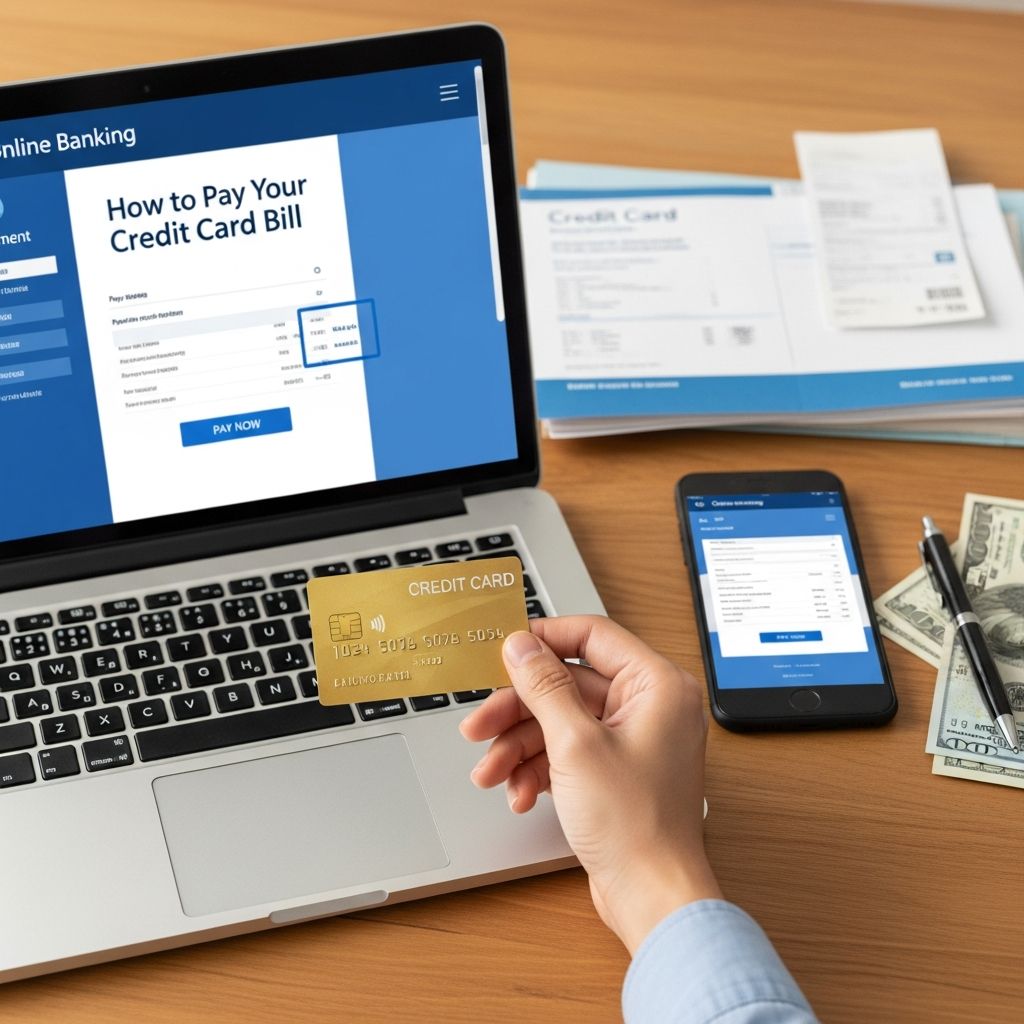
Making timely payments on your credit card is essential for maintaining a healthy financial profile and avoiding unnecessary charges. With various payment channels available today, cardholders can choose methods that suit their lifestyle, from digital convenience to traditional approaches. This guide explores reliable options, highlights best practices, and provides actionable advice to ensure you never miss a due date.
Understanding Your Payment Due Date
The payment due date on your credit card statement marks the deadline by which your balance must be settled to dodge late fees and interest accrual. Issuers typically set this date based on your billing cycle, which spans about 28 to 31 days. Review your monthly statement or online account to confirm this critical date, as missing it can lead to penalties averaging $30 to $40 per occurrence and potential credit score damage.
Pro tip: Aim to pay at least the minimum amount by the due date, but clearing the full balance prevents interest from piling up at rates often exceeding 20% APR. Many issuers offer a grace period of 21 to 25 days from the statement closing date, giving you a window to pay without interest if paid in full.
Online Payment Portals: The Fastest Option
Most credit card companies provide user-friendly online portals accessible via their websites or apps. Logging into your account allows instant payments directly from linked bank accounts, debit cards, or even other credit cards in some cases. This method processes transactions immediately, reflecting credits within one business day.
- Steps to pay online: Visit the issuer’s site, enter credentials, select ‘Make a Payment,’ input bank details, choose amount (minimum, statement balance, or custom), and confirm.
- Advantages: 24/7 availability, no postage delays, payment history tracking.
- Potential fees: Rare, but verify for expedited options.
Digital wallets like Apple Pay or Google Pay integrate seamlessly with these portals for one-tap approvals, enhancing security through tokenization.
Mobile Apps for On-the-Go Payments
Credit card issuer apps mirror online portal functionality but add push notifications for due date reminders and spending insights. Available on iOS and Android, these apps support biometric logins for quick access.
| Method | Speed | Security Features | Best For |
|---|---|---|---|
| Issuer App | Instant | Biometrics, Encryption | Frequent travelers |
| Bank App | 1-2 days | Two-Factor Auth | Linking multiple cards |
| Digital Wallet | Instant | Tokenization | Quick checkouts |
Link your credit card to your primary bank’s app for cross-institution transfers, though processing may take 1-3 business days.
Setting Up Autopay: Set It and Forget It
Autopay automates payments by deducting funds from your bank account on or before the due date. Options include minimum payment only, full statement balance, or a fixed amount. This eliminates human error, with studies showing autopay users are 80% less likely to incur late fees.
- Full balance autopay: Ideal for rewards maximizers to avoid interest entirely.
- Minimum autopay: Covers basics but accrues interest on remainder—use cautiously.
- Hybrid approach: Autopay minimum, manually pay extra mid-cycle.
Activate via app or website under ‘Payment Settings.’ Monitor for sufficient funds to prevent overdrafts.
Bank Transfers and ACH Options
Direct bank transfers via ACH (Automated Clearing House) are free and secure, routing payments between accounts. Use your bank’s online banking, bill pay service, or the credit card issuer’s external transfer feature.
Key differences from online portals: Bank bill pay sends a check or electronic transfer independently, often without revealing your full account details. Expect 2-5 business days for posting, so initiate early.
Mailing a Check: Traditional Reliability
For those preferring paper trails, mailing a check remains viable. Locate your account number and payment address on your statement (note: some issuers use different addresses for personal vs. business).
- Best practices: Use certified mail for tracking, mail 7-10 days early, include payment coupon.
- Drawbacks: Postal delays, risk of loss, no instant confirmation.
In 2026, with digital shifts, mail payments are declining but useful for large sums or disputes.
Phone and In-Person Payments
Call customer service (number on card back) for agent-assisted payments over the phone using bank details. Fees may apply ($5-10), and it’s same-day processing.
Branches of partner banks or issuer offices accept in-person payments with cash, check, or money order—confirm locations via app.
Third-Party Services and Payment Processors
Platforms like PayPal, Venmo, or Zelle facilitate credit card bills indirectly by transferring to your bank first, then to the card. Limitations: Venmo charges for credit card funding, and not all support bill pay directly.
Popular processors:
- PayPal: Links cards/banks, no setup fees, ideal for small businesses too.
- Stripe/QuickBooks: Supports recurring for personal invoicing proxies.
International and Alternative Payments
Non-US residents use wire transfers or global ACH equivalents like SEPA in Europe. Buy Now Pay Later (BNPL) isn’t for bills but complements by freeing cash flow. Cryptocurrencies remain niche due to volatility.
Timing Your Payments Strategically
Pay early in the billing cycle to lower utilization ratio, boosting credit scores. Best day: 1-2 days before due date for buffer. Multiple payments mid-cycle reduce reported balances.
Common Pitfalls and How to Avoid Them
Avoid these errors:
- Misreading due date vs. statement date.
- Insufficient bank funds triggering NSF fees.
- Ignoring grace periods on new purchases.
- Overlooking promo APR expirations.
Enable alerts, review statements weekly, track via budgeting apps like Mint or YNAB.
Impact of Payments on Credit Health
Payment history comprises 35% of FICO scores. On-time payments build positive history; 30+ day delinquencies linger 7 years. Consistent full payments signal responsibility to lenders.
Frequently Asked Questions (FAQs)
Can I pay my credit card with another credit card?
Directly? No, but balance transfers to 0% APR cards or cash advances (high fees) work indirectly.
What if I can’t pay the full amount?
Pay minimum to avoid delinquency; contact issuer for hardship programs.
How long does a payment take to post?
Online/autopay: same day; mail: 5-7 days; transfers: 1-3 days.
Does autopay protect against interest?
Only if set to full balance; minimum still incurs it.
Are there fees for online payments?
Usually free, but expedited may cost extra.
Choosing the Right Payment Method for You
Select based on speed needs, tech comfort, and cost. Tech-savvy? Go digital. Cautious? Mail with tracking. Autopay suits all for reliability. Experiment to find your fit, always prioritizing timeliness.
References
- Types, Pros & Cons of Payment Methods — Razorpay. 2025. https://razorpay.com/blog/different-types-of-payment-methods/
- A Comparison of Popular Credit Card Payment Processors — Allied Wallet. N/A. https://www.alliedwallet.com/blog/blog-posts/a-comparison-of-popular-credit-card-payment-processors/
- 8 Top Online Payment Methods: A Comprehensive Guide — Salesforce. N/A. https://www.salesforce.com/commerce/online-payment-solution/online-payment-methods/
- Business payment methods: Different costs and how to choose — QuickBooks Intuit. N/A. https://quickbooks.intuit.com/r/payments/small-business-payment-methods/
- A Guide to Types of Payment Methods — Stripe. N/A. https://stripe.com/guides/payment-methods-guide
Similar Articles








Read full bio of medha deb