Property Tax Bill: A Comprehensive Guide To Payments And Relief
Complete guide to understanding and paying your property tax bills on time.
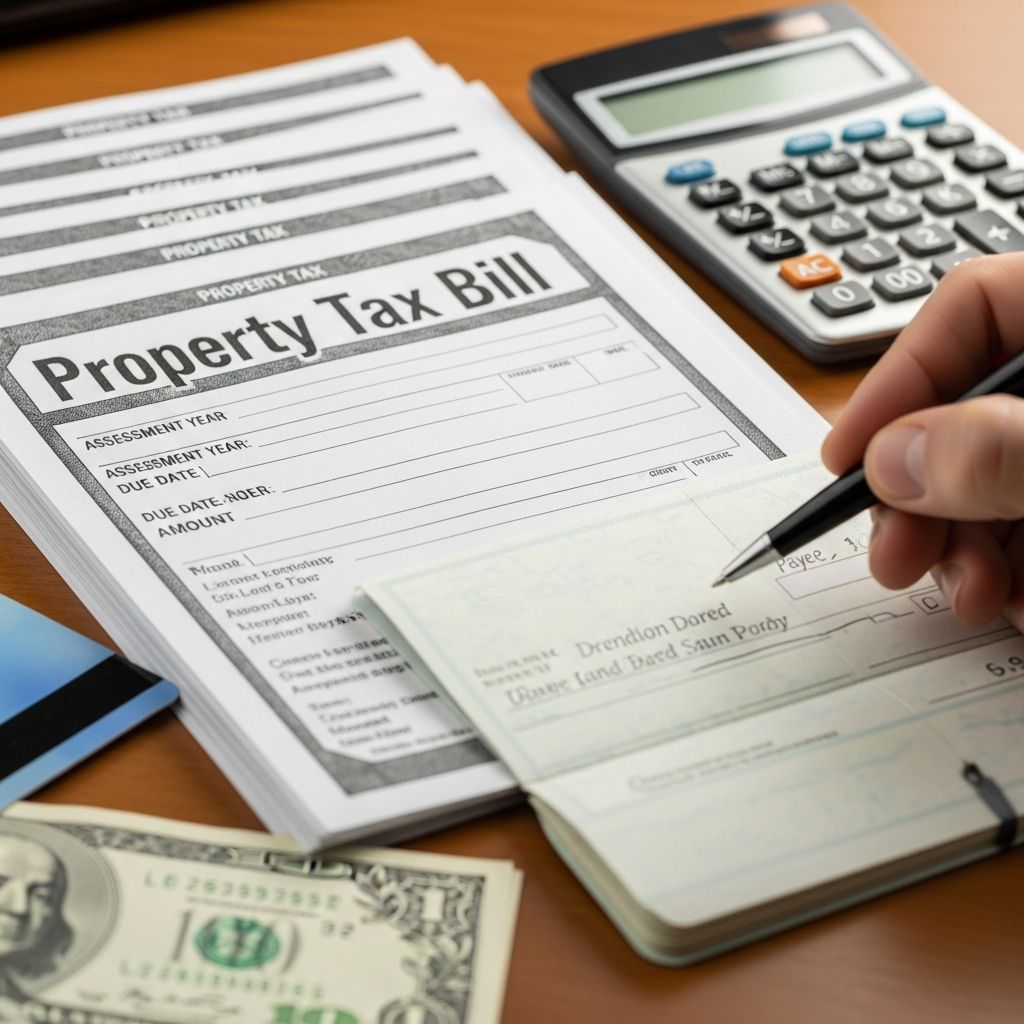
Understanding Your Property Tax Bill
Property taxes represent one of the largest ongoing expenses for homeowners and real estate investors. Unlike income taxes or sales taxes, property taxes fund essential local services including public education, county government operations, special districts, and municipal services. Understanding how your property tax bill is calculated and when payments are due is crucial for managing your financial obligations effectively.
Property tax bills are typically mailed early in the year, reflecting taxes owed for the preceding year. The amount you owe depends on several interconnected factors, including your property’s classification, its assessed value, and the tax rates determined by your local taxing authorities. By gaining a clear understanding of these components, you can better budget for this significant expense and identify potential savings opportunities.
How Property Taxes Are Calculated
The property tax calculation process involves multiple steps and components that work together to determine your final tax obligation. Each element plays a critical role in ensuring that the tax burden is distributed fairly and equitably among all property owners in your jurisdiction.
Property Classification
The first step in calculating your property taxes involves classification. Your county assessor classifies all property based on its actual use as of January 1st. This classification determines the assessment rate applicable to your property. Different property types—such as residential homes, commercial buildings, agricultural land, and vacant property—may have different assessment rates. This classification system ensures that similar properties are taxed consistently and fairly within your community.
Determining Actual Property Value
After classification, your property’s actual market value must be established. For residential properties, assessors typically use the market approach to valuation, which analyzes recent sales of comparable properties in your area. This comparative market analysis ensures that your property is valued based on real-world transaction data rather than arbitrary estimates. The comparable properties used in this analysis are typically those that sold within a specific timeframe, which may extend back several years if recent sales data is limited.
Calculating Assessed Value
The assessed value represents the portion of your actual property value that is subject to taxation. This is calculated by multiplying your property’s actual value by the assessment rate established for your property classification. For example, if your property has an actual value of $275,000 and the local government assessment rate is 6.25 percent, your assessed value would be $17,188.
Understanding Tax Rates
Tax rates are determined annually by various taxing authorities in your area, including county commissioners, city councils, school boards, and special districts. Each authority calculates the tax rate needed based on the revenue required to provide services and the total assessed property values within their jurisdiction. These rates are often expressed as mill levies, where one mill equals $1 of tax per $1,000 of assessed value. The final tax rate applied to your property combines the rates of all applicable taxing authorities.
Components of Your Property Tax Bill
Your property tax bill typically includes taxes owed to multiple local government entities. Understanding each component helps you see exactly where your tax dollars are being allocated and which services are being funded through your payments.
Local Government Taxes
Local government taxes fund county services, city or municipal services, and special district services such as water and sanitation. These taxes are calculated by multiplying your local government assessed value by the combined local government tax rate. For instance, with an assessed value of $17,188 and a local government tax rate of 0.023425, your local government taxes would be approximately $402.63.
School District Taxes
School district taxes represent a significant portion of most property tax bills, funding public education in your area. These taxes are calculated using a separate assessment rate and tax rate established by your school district. Using the same property example, with an assessed value of $19,388 and a school district tax rate of 0.052116, school district taxes would be approximately $1,010.43.
Total Tax Obligation
Your total property tax bill combines local government taxes and school district taxes, along with any applicable taxes from special districts or other taxing authorities. In our example, the combined tax bill would be approximately $1,413.06 annually. This total represents your complete tax obligation for the year and determines your payment deadline and payment options.
Property Tax Payment Options
Most jurisdictions offer flexible payment options to accommodate different financial situations. Understanding your available payment methods ensures you can choose the option that best fits your circumstances.
Full Payment Option
Many property owners choose to pay their entire tax bill in one lump sum. This option is typically due by April 30th in many jurisdictions, though deadlines may vary by location. Paying in full by the deadline ensures you avoid any late fees or penalties. This approach simplifies accounting and budgeting if you have the resources available.
Two-Payment Option
For property tax bills exceeding $25, most jurisdictions allow payment in two equal installments. The first half payment is typically due by the last day of February, while the second half payment is due by June 15th. This payment arrangement helps spread your tax obligation across multiple months, improving cash flow for many property owners. Each installment should be clearly marked with the tax year and property identification number to ensure proper crediting.
Installment Payment Plans
Some jurisdictions offer additional payment plan options for those who cannot pay by the standard deadlines. These plans may involve monthly payments or other arrangements. Contact your local tax assessor’s office to inquire about available options if you’re unable to meet standard payment deadlines.
Payment Methods and Procedures
Modern property tax systems offer multiple convenient payment methods to accommodate different preferences and technological comfort levels.
Online Payment Systems
Most county tax assessor offices now offer online payment portals where property owners can pay their taxes directly through their website. These systems typically accept credit cards, debit cards, and electronic bank transfers. Online payment provides instant confirmation of payment and often allows you to schedule payments in advance. Check your local tax assessor’s website for payment portal access and any applicable processing fees.
Mail Payments
Traditional mail payments remain a reliable option for property owners who prefer not to use online systems. When paying by mail, include your tax bill or property identification number with your payment to ensure proper crediting. Send payments to the address listed on your tax bill and allow adequate time for mail delivery. Consider using certified mail if you want confirmation of receipt.
In-Person Payments
Many tax assessor offices accept in-person payments during business hours. This method provides immediate confirmation and allows you to ask questions about your bill or account. Some offices may charge processing fees for credit or debit card payments made in person.
Automatic Payment Options
Several jurisdictions offer automatic payment arrangements where your tax bill is paid directly from your bank account on specified dates. This method eliminates the risk of missed payments and simplifies your personal financial management. Contact your tax assessor’s office to establish automatic payments.
Understanding Payment Deadlines
Missing property tax payment deadlines can result in serious financial and legal consequences. Understanding your specific deadlines and planning accordingly is essential for responsible property ownership.
Standard Deadline Information
Property tax bills reflecting taxes for the preceding year are typically mailed in early January. The standard payment deadline is usually April 30th for full payment, or you can split payments with the first half due by February 28th and the second half due by June 15th. However, deadlines vary by jurisdiction, so verify the specific dates that apply to your location.
Late Payment Penalties and Interest
Failing to pay property taxes by the deadline results in penalties and interest charges added to your balance. These additional costs can accumulate quickly, significantly increasing your total obligation. Some jurisdictions charge percentage-based penalties, while others assess flat fees. Interest continues accruing monthly on unpaid amounts.
Tax Sale and Property Loss Risk
Unpaid property taxes can eventually lead to tax sales where your property may be sold to pay the delinquent tax debt. This represents the most serious consequence of non-payment. Property tax delinquency can span years before tax sale occurs, but the risk and financial burden increase dramatically with time.
Tax Relief Programs and Exemptions
Several categories of property owners may qualify for tax relief programs designed to reduce their property tax burden. These programs recognize special circumstances and provide assistance to vulnerable populations.
Senior Citizen Programs
Many jurisdictions offer tax relief programs specifically for senior citizens, including property tax reduction programs, property tax deferral options, and exemptions. These programs recognize the fixed-income challenges many seniors face and provide meaningful financial assistance.
Disability-Related Relief
Persons with disabilities may qualify for property tax relief programs in their jurisdiction. These programs aim to reduce the tax burden for individuals facing disability-related financial challenges.
Military Service Programs
Members of the National Guard and Reserves who are called to active military service may be eligible for tax relief programs. Additionally, veterans with disabilities may qualify for property tax exemptions recognizing their service and sacrifice.
Tax Deferral and Work-Off Options
Some jurisdictions offer property tax deferral programs allowing eligible individuals to postpone payment temporarily. Work-off programs allow qualified individuals to perform community service in exchange for tax relief. These alternatives provide options for those facing temporary financial hardship.
Tips for Managing Property Tax Payments
Effective property tax management involves planning, organization, and awareness of available options. Implementing these strategies can help you manage this significant expense more effectively.
Budget Planning
Include estimated property tax payments in your annual budget. If you have a mortgage with an escrow account, your lender may collect property taxes monthly through your mortgage payment, simplifying budgeting. For those paying directly, consider setting aside one-twelfth of your annual tax obligation each month.
Maintain Good Records
Keep copies of all tax bills, payment receipts, and correspondence with your tax assessor’s office. Maintain records for several years for reference and in case of disputes or questions about your property’s assessment.
Challenge Your Assessment if Appropriate
If you believe your property has been overvalued, you generally have the right to appeal your assessment. Review your assessment and comparable property values in your area. If you find significant discrepancies, file an appeal with your tax assessor’s office according to local procedures.
Stay Informed About Tax Changes
Property tax rates and assessment practices may change annually. Stay informed about changes affecting your jurisdiction to understand how they might impact your future tax obligations.
Frequently Asked Questions
Q: When is my property tax bill due?
A: Property tax bills are typically due by April 30th, or you can split payments with the first half due by February 28th and the second half due by June 15th. Confirm specific deadlines with your local tax assessor, as they vary by jurisdiction.
Q: What happens if I pay my property taxes late?
A: Late payment results in penalties and interest charges added to your balance. Continued non-payment can eventually lead to tax sale of your property.
Q: Can I appeal my property tax assessment?
A: Yes, most jurisdictions allow property owners to appeal their assessment if they believe their property has been overvalued. Contact your tax assessor’s office for appeal procedures and deadlines.
Q: Are there property tax relief programs available?
A: Yes, various relief programs exist for seniors, persons with disabilities, and military service members. Contact your local tax assessor’s office to inquire about programs you may qualify for.
Q: Can I pay my property taxes online?
A: Most jurisdictions now offer online payment options through their tax assessor’s website. Check your local website for payment portal access and any applicable fees.
Q: What is included in my property tax bill?
A: Your property tax bill typically includes local government taxes, school district taxes, and taxes from any special districts serving your property. Each component funds specific local services.
Conclusion
Understanding and managing your property tax obligations is an essential aspect of property ownership. By learning how your tax bill is calculated, knowing your payment options and deadlines, and taking advantage of available relief programs when applicable, you can manage this significant expense effectively. Stay organized, maintain records, and communicate with your tax assessor’s office if you have questions or concerns about your property tax bill. Proactive management of your property tax obligations protects you from penalties, interest charges, and the risk of property tax delinquency.
References
- Understanding Property Taxes in Colorado — Colorado Department of Property Taxation. 2025. https://dpt.colorado.gov/understanding-property-taxes-in-colorado
Similar Articles








Read full bio of Sneha Tete