How To Pay Less For Your Next Vacation: 13 Smart Ways
Discover proven strategies to slash vacation costs on flights, lodging, food, and activities without sacrificing enjoyment.

Planning a vacation doesn’t have to drain your bank account. With strategic choices in timing, transportation, accommodations, meals, and activities, you can cut costs significantly while enjoying memorable experiences. This guide draws from proven tactics used by full-time travelers and budget experts to help you pay less for your next getaway.
Travel During Low or Shoulder Season
Avoid peak travel periods when crowds drive up prices for flights, hotels, and attractions. Opt for low season or shoulder season—periods just before or after high demand—where accommodations and flights can be 30-50% cheaper. For example, visit Europe in late fall or early spring instead of summer, saving on airfare and dodging lines at popular sites.
Low season means fewer tourists, lower rates, and sometimes better weather for certain destinations. Research destination-specific calendars: beach spots like Florida shine in shoulder months (April-May or September-October), while ski resorts offer deals post-holidays. This approach not only saves money but enhances your trip with authentic, less crowded vibes.
Book Low-Cost Carriers
Low-cost airlines like Spirit, Ryanair, or Southwest offer fares far below major carriers, often half the price for similar routes. While they have fewer flights and add fees for extras like bags, the base savings are substantial when planned right.
- Pack light with carry-on only to skip baggage fees.
- Compare total costs including add-ons using sites like Google Flights.
- Be flexible with dates—flying mid-week shaves even more off.
Risks include limited schedules, but successes yield big wins. Pair with nearby airports to further reduce fares.
Shorten Your Trip by a Day
Trim one or two nights from your itinerary to eliminate a hotel stay and extra meals. A single night averages $150-250, plus $50-100 in food—easy $200+ savings per day cut.
Focus on immersive experiences in fewer days: stay longer in one spot for deeper exploration rather than rushing between locations. Full-time travelers note slower travel cuts transport and setup costs too. Incremental shortening keeps the vacation fulfilling without feeling deprived.
Pack Carry-On Only
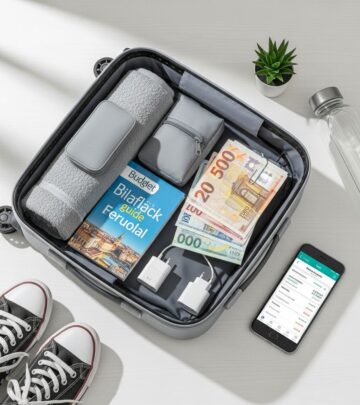
Ditch checked bags to avoid $30-60 fees per bag each way. A carry-on maximizes savings and speeds through airports. Invest in a versatile 22x14x9-inch bag stocked with multi-use items: wrinkle-resistant clothes, travel-sized toiletries, and a packable day bag.
| Item | Checked Bag Cost (Round Trip) | Carry-On Savings |
|---|---|---|
| 1 Bag | $60 | $60 |
| 2 Bags | $240 (family of 4) | $240 |
| Plus Time Saved | N/A | 1-2 Hours |
Pro tip: Wear bulky items on the plane to free space.
Fly Economy Instead of Premium
Skip premium economy or business class for standard economy on shorter trips. The upgrade can double fares ($200-500 extra) for marginal comfort. Use savings for on-ground experiences.
For long-hauls, leverage rewards cards to score upgrades. Everyday spending racks up points for free flights or seats, turning routine purchases into travel perks. Cards like Chase Sapphire or Capital One Venture offer 2-5x points on travel.
Do One Free Activity Per Day
Balance paid attractions with free ones: beach walks, park hikes, city strolling, or local markets. Many cities boast free museums, temples, or viewpoints.
- New York: Central Park picnics.
- Paris: Seine River walks.
- Beach towns: Sunset boardwalks.
This stretches budgets, allowing splurges on must-dos. Apps like AllTrails or city guides list no-cost gems.
Set a Daily Budget
Calculate per-day spending (excluding fixed costs like flights) and withdraw only that cash. When it’s gone, the day’s budget is spent. For a $1,000 7-day trip, that’s ~$143/day—enforces discipline.
Track via apps like Trail Wallet. Adjust for variables: more on activity days, less on relaxed ones. This fool-proof method prevents overspending.
Track Every Expense
Log meals, transport, souvenirs in real-time. Seeing totals motivates frugality—e.g., realizing $20 daily coffees add $140/week.
Use spreadsheets or apps: categorize food/transport/activities. Review nightly to course-correct. Full-time travelers swear by this for staying under $17k/year globally.
Cook and Eat In
Book rentals with kitchens; shop local markets for cheap, fresh meals. Home-cooked beats $15-30 restaurant tabs.
Save $84/month skipping three $7 fast-casual meals weekly pre-trip, then apply on-vacation. Limit dining out to special events; pack sandwiches for outings. In Asia, self-catering slashes costs vs. tours.
Compare Transportation Options
Flying isn’t always cheapest—trains/buses save on short hauls. Rent motorbikes ($5/day + gas) over $40 tours. Drive for family trips: one Florida week saved $2,100 vs. flying.
| Option | Cost Example (Family of 5) | Savings Tip |
|---|---|---|
| Fly | $2,500 | Budget airlines |
| Drive | $400 gas | Pack meals |
| Motorbike (Solo) | $5-10/day | Split with partner |
Haggle and Shop Around
Negotiate everywhere: rentals dropped from $25 to $15/day in Croatia, saving $120. Compare hotels, tours, taxis—walk away for better deals. Locals eat cheap; scout those spots.
Save Up in Advance
Avoid debt: sock away monthly for trips. Cut discretionary spends like eating out ($84/month saved). Side hustles or selling items boost funds. Rewards cards fund free legs.
Set deadlines: save for tickets in 6-12 months. One saver banked $12k in six months for half-year travel.
Group Travel for Discounts
Group trips split villas/cars: share duties, snag bulk deals. Longer stays yield apartment discounts. Home exchanges or house-sits nix lodging costs.
Frequently Asked Questions (FAQs)
Q: What’s the biggest vacation saver?
Travel off-peak and pack carry-on—combined savings often exceed 40% on total costs.
Q: How do I eat cheap on vacation?
Cook in rentals, picnic, limit restaurants to events. Shop markets for fresh deals.
Q: Are low-cost airlines worth it?
Yes, if flexible—base fares save big, but tally fees.
Q: Can I vacation debt-free?
Save ahead, cut extras, use rewards. Avoid credit for trips.
Q: Best free activities?
Hikes, beaches, markets, walking tours—do one daily.
References
- Consumer Financial Protection Bureau: Travel Budgeting Tips — CFPB. 2024-06-15. https://www.consumerfinance.gov/consumer-tools/credit-cards/travel-budgeting/
- Federal Trade Commission: Saving on Travel — FTC. 2025-03-10. https://consumer.ftc.gov/articles/saving-money-travel
- U.S. Department of Transportation: Air Travel Consumer Report — DOT. 2025-01-01. https://www.transportation.gov/airconsumer/air-travel-consumer-report
- World Bank: Tourism Economics Data — World Bank. 2024-11-20. https://www.worldbank.org/en/topic/tourism
- IRS Publication 463: Travel Expenses — IRS. 2025-12-31. https://www.irs.gov/publications/p463
- Bureau of Labor Statistics: Consumer Expenditure Survey — BLS. 2025-09-15. https://www.bls.gov/cex/
Similar Articles








Read full bio of Sneha Tete