How To Pack A Carry-On: Expert Tips For Traveling Light
Master the art of packing a carry-on backpack to dodge hefty baggage fees and travel smarter on budget airlines.
Avoid paying $30 to $70 or more in carry-on baggage fees on budget airlines by mastering the art of packing a single backpack as your personal item. This strategy works best for short trips, helping you save significantly on round-trip flights where fees apply twice.
Make Sure Yours Is a Backpack-Friendly Trip
Not every journey suits a single backpack, so evaluate your trip duration, destination activities, and weather before committing. Airlines like United specify personal items as no larger than 9 x 10 x 17 inches, typically backpacks, purses, or laptop bags that fit under the seat.
Short weekend getaways or overnight stays are ideal, requiring minimal clothing and essentials. For example, a beach trip to Florida might need just a bathing suit, two T-shirts, shorts, toiletries, a rain jacket, and underwear—far less bulky than a ski trip to Colorado with gear.
Assess your needs realistically: if bulky items or extended stays demand more space, consider checking one bag or upgrading. Families can optimize by having one person check a bag while others use backpacks, slashing multiplied fees across multiple travelers and round trips.
Save Space as You Pack
Efficiency is paramount when limited to under-seat space. Select a standard-sized backpack—not a massive hiking one—with features like shoulder straps for comfort and weight distribution pockets for balance.
Pack T-Shirts and Lightweight Clothes
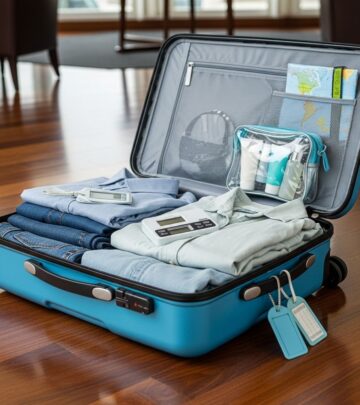
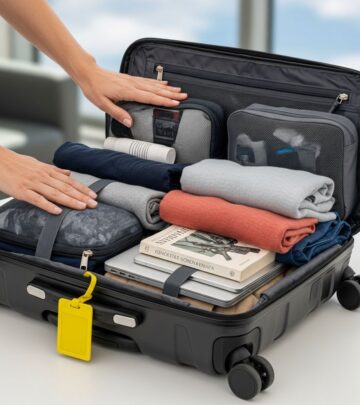
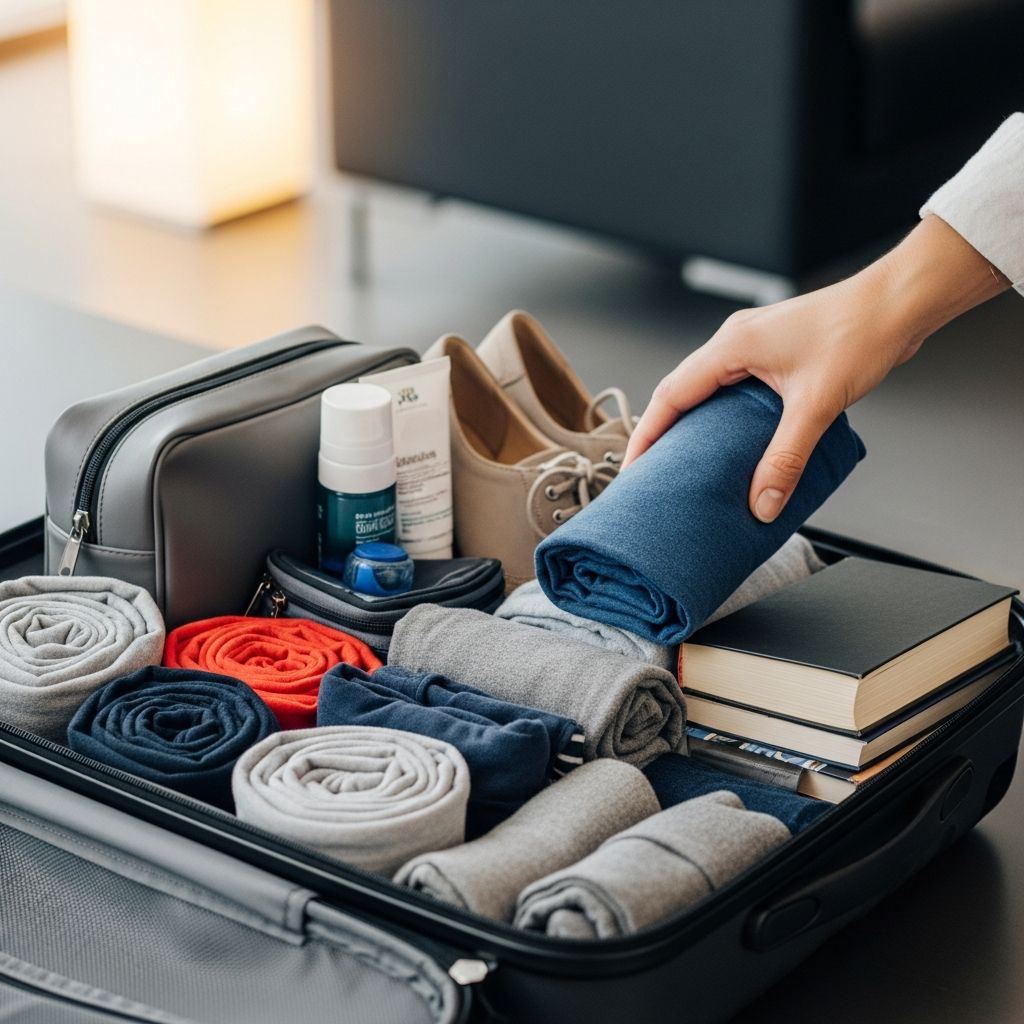
Prioritize versatile, lightweight, medium-weight clothing to maximize volume. Opt for items like T-shirts and shorts that serve multiple days, freeing space for other necessities. Roll clothes instead of folding to compress them further, and wear bulkier items like jackets during travel.
Use Packing Cubes
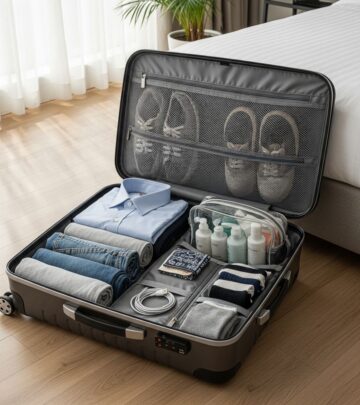
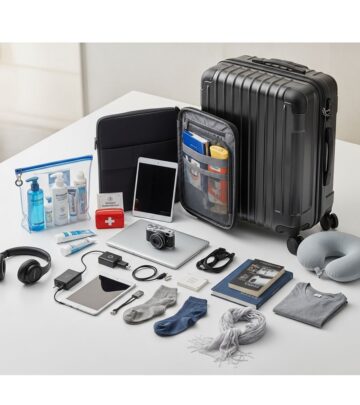
Packing cubes revolutionize organization in tight spaces. Assign cubes for clean clothes, dirty laundry, toiletries, or accessories—one per category keeps everything sorted. These compressible organizers prevent chaos, making unpacking and repacking effortless even after daily use.
For a three-day trip, one cube might hold three rolled T-shirts and underwear, another for pants and socks, ensuring quick access without rummaging.
Make Sure Your Belongings Are Easily Accessible
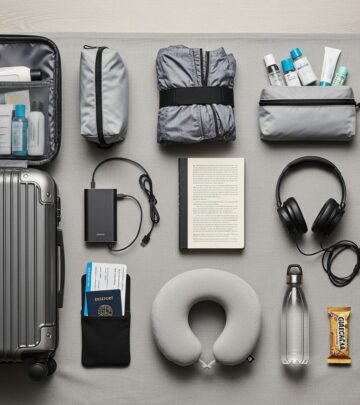
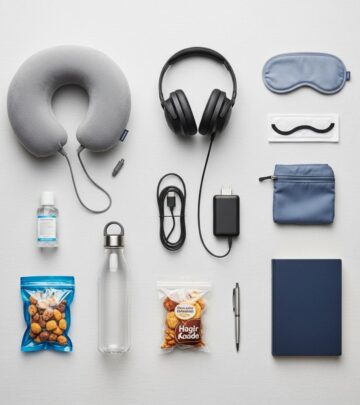
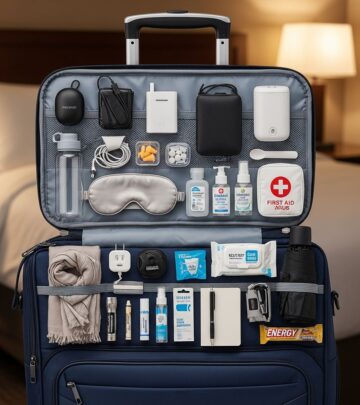
Designate front pockets or outer compartments for in-flight must-haves like headphones, books, iPads, snacks, or medications. This avoids disrupting packed clothes post-security. Attach an empty water bottle via carabiner for post-checkpoint refills, dodging $5 airport prices.
Consider the Weight Distribution
Even distribution prevents back strain; place heavier items like shoes or books centrally, lighter clothes around them. Most airlines cap personal items at 50 pounds to avoid fees, but aim lighter for comfort—typically 20-30 pounds suffices for short trips.
- Heavy items: Center bottom for stability.
- Light items: Top and sides for balance.
- Fragile: Cushion with clothing.
Follow the TSA’s 3-1-1 Liquids Rules
TSA mandates liquids, gels, aerosols, and creams in 3.4-ounce (100ml) containers or smaller, all fitting one quart-sized clear plastic bag per passenger. Include shampoo, toothpaste, lotion, and contact solution—decant larger bottles into travel sizes.
Pack this bag in an easy-access spot for security. Solids like deodorant sticks bypass rules. For longer trips, research hotel laundry options or buy toiletries abroad to minimize bulk.
Families: Check One Bag and Bring a Few Backpacks
For groups or longer outings, designate one checked bag shared among travelers, with each carrying a personal item backpack. This cuts costs dramatically—avoiding per-person carry-on fees times family size times round-trip flights.
Example: A family of four on Spirit Airlines might face $60+ per carry-on per flight direction. One checked bag ($40) plus four backpacks ($0) totals far less. Coordinate packing: bulk items like diapers or extra clothes in the checked bag, daily essentials in backpacks.
| Strategy | Cost Savings Example (Round Trip, Family of 4) | Best For |
|---|---|---|
| All Carry-Ons | $480+ (4 x $60 x 2) | Short, light trips |
| One Checked + Backpacks | $80 (1 x $40 x 2) | Families, longer stays |
| All Backpacks | $0 | Weekends only |
Additional Pro Tips for Carry-On Mastery
Layer outfits for versatility: one base layer per day, mix-and-match tops. Invest in quick-dry fabrics that double as swimwear or sleepwear. Use compression sacks for shoes to fill dead space.
For electronics, a multi-port charger and universal adapter save space. Snacks like protein bars provide meal insurance without liquids. Always verify airline-specific rules—budget carriers like Frontier or Spirit are strictest.
Practice packing at home: time yourself and weigh the bag to simulate airport stress. This ensures compliance and builds confidence.
Frequently Asked Questions (FAQs)
What size backpack fits as a personal item?
Most airlines allow up to 18 x 14 x 8 inches, but check specifics—United is 17 x 10 x 9 inches. It must fit under the seat.
Can I bring a carry-on roller bag?
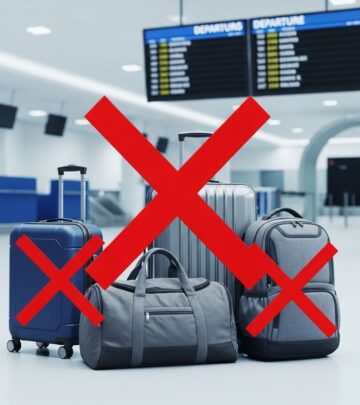
No, basic economy on many airlines limits to personal items only; rollers go in overheads and incur fees.
How do I handle medications?
Liquids over 3.4 ounces allowed if medically necessary; declare at security. Keep in original packaging.
What if my backpack is overweight?
Stay under 50 pounds; gate-check if needed, but fees apply. Distribute weight evenly.
Are packing cubes worth it?
Yes—they organize, compress, and separate clean/dirty items, essential for multi-day trips.
This comprehensive guide empowers you to travel light, save money, and breeze through airports. Perfect your backpack packing for stress-free adventures.
References
- TSA 3-1-1 Liquids Rule — Transportation Security Administration. 2024-01-15. https://www.tsa.gov/travel/security-screening/liquids-rule
- Carry-On Baggage Screening — Transportation Security Administration. 2025-05-20. https://www.tsa.gov/travel/security-screening/whatcanibring/all
- FAA Baggage Regulations — Federal Aviation Administration. 2024-11-10. https://www.faa.gov/travelers/fly_bags
- Airline Baggage Fees Report — U.S. Department of Transportation. 2025-02-28. https://www.transportation.gov/airconsumer/airline-customer-service-dashboard
- Personal Item Dimensions — United Airlines. 2025-06-01. https://www.united.com/ual/en/us/fly/travel/baggage/personal-item.html
Similar Articles








Read full bio of Sneha Tete