How to Organize Your Paperwork in Just 10 Minutes a Week
Transform paperwork chaos into order with a simple 10-minute weekly system that anyone can maintain effortlessly.

Financial paperwork often accumulates into overwhelming piles, but a simple system can tame the chaos without demanding hours of your time. By dedicating just 10 minutes a week, you can maintain organized files, reduce stress, and ensure you’re prepared for taxes or audits.
Understanding What to Keep and What to Shred
The foundation of effective paperwork organization starts with knowing retention rules to avoid hoarding unnecessary documents. Fear of IRS audits leads many to keep everything, but this creates clutter that hinders access to important items.
- Keep permanently: Tax returns, W-2s, 1099s, and records supporting income or deductions beyond the standard three-year audit window, such as property deeds or business formation documents.
- Retain 3-7 years: Investment statements, bank records, and receipts for major purchases like homes or vehicles, as the IRS can audit up to seven years for significant errors.
- Shred after verification: Paycheck stubs once you receive your annual W-2, and quarterly investment statements after confirming annual summaries match.
- One year maximum: Routine bills, ATM receipts, and credit card statements after reconciling with monthly statements.
Consult IRS Publication 552 for detailed guidelines on recordkeeping, which emphasizes keeping records as long as they support income, deductions, or credits on your return. This knowledge empowers confident shredding, freeing space and reducing fire hazards from paper stacks.
The Quick Sort Method: Your 10-Minute Toolkit
Developed by organization expert Kimberlee Stokes of The Peaceful Mom, the Quick Sort Method uses three manila folders labeled NOW, 10 MINUTES A WEEK, and FILE, plus a warmed-up shredder. Place these in a standing rack near your trashcan or shredder for instant sorting as mail arrives.
Setting Up the Folders
Gather three empty manila folders and label them clearly. Position them accessibly—ideally where mail naturally lands, like the kitchen counter—to encourage immediate action and prevent piles.
| Folder | Purpose | Examples |
|---|---|---|
| NOW | Immediate action required | Bills due soon, insurance forms, license renewals |
| 10 MINUTES A WEEK | Action soon, no deadline | Subscription renewals, family-input items |
| FILE | Archive for future reference | Tax docs, paid bills, investment summaries |
Implementing the Initial Sort
Begin by dumping all accumulated paperwork onto a table. Sort each item into one folder or the shredder. This first pass may exceed 10 minutes, but it establishes momentum. After sorting, tackle the NOW folder completely: pay bills, renew licenses, and redistribute completed items to FILE or shredder.
Managing the NOW Folder: Act Immediately
The NOW folder captures urgent tasks that demand prompt attention to avoid late fees or missed opportunities. Examples include utility bills, medical claims, or vehicle registrations.
- Process daily: As items arrive, place directly into NOW and spend 1-2 minutes daily clearing it.
- Weekly review: During your 10-minute session, ensure nothing lingers.
- Transition completed items: Move paid bills to FILE; shred duplicates or confirmations.
This habit prevents escalation— a single unchecked bill can snowball into collections notices. Over time, the NOW folder stays thin, signaling control over your obligations.
Handling the 10 MINUTES A WEEK Folder: Steady Progress
This folder holds semi-urgent items without firm deadlines, preventing them from becoming forgotten crises. Think annual credit card updates, warranty registrations, or research-needed purchases.
- Weekly focus: Dedicate your 10 minutes here after NOW is clear.
- Batch similar tasks: Group renewals or family discussions for efficiency.
- Rotate priorities: Address oldest items first to maintain flow.
Consistent attention ensures these tasks don’t migrate to NOW, keeping your system balanced. Once habits form, this folder rarely overflows.
Mastering the FILE Folder: Simple Long-Term Storage
The FILE folder collects keepers for taxes and records. Weekly, file from here during your 10 minutes until it’s empty.
Tax Document System
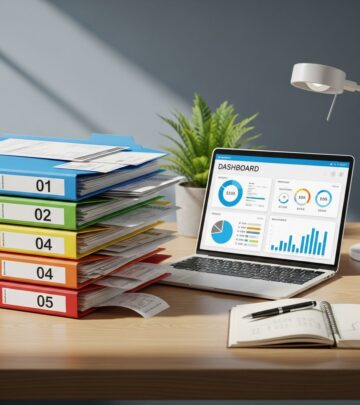
Use one accordion file or binder per tax year, plus a current-year section. Categories include:
- Income: W-2s, 1099s
- Deductions: Medical, charitable receipts
- Assets: Home, investments
- Other: Childcare, education
Label files by year (e.g., “2025 Taxes”). Retain seven years per IRS guidelines.
General Financial Filing
A single accordion file or drawer suffices with broad categories:
- Insurance policies
- Bank/credit statements
- Retirement accounts
- Property records
- Vendor warranties
Prioritize chronological order within folders for easy retrieval. Digital scans supplement paper for backups.
Maintaining Your System: Sustainability Tips
Organization thrives on habits, not one-time efforts. Two strategies ensure longevity.
1. Organize Where Papers Naturally Gather
Resist relocating your system to an inconvenient spot like a spare room. Instead, station folders where mail accumulates—kitchen counter, entry table—to leverage existing routines. Accessibility trumps aesthetics; a kitchen-based rack beats an unused filing cabinet upstairs.
2. Schedule Your 10 Minutes Religiously
Treat paperwork like a non-negotiable appointment. Block time weekly—Sundays at 7 PM or Wednesdays post-dinner—on your calendar. Protect this slot from interruptions; consistency builds automaticity within weeks.
- Prep: Warm shredder, gather folders.
- Execute: Sort new mail, clear NOW/10 MINUTES, file from FILE.
- Review: Shred extras, update digital backups.
Bonus: Pair with a reward, like coffee, to reinforce the habit.
Benefits Beyond the Pile: Why This Works
This method reduces anxiety by clarifying obligations and reclaiming space. Financial clarity aids budgeting, as organized records reveal spending patterns. Audit readiness improves without excess retention.
Scalability suits busy households: Families assign members to specific folders. Remote workers adapt for digital inflows via email rules mimicking the sorts.
Frequently Asked Questions (FAQs)
Can I go fully digital with this system?
Yes—scan documents into cloud storage like Google Drive, using folder names NOW, 10 MINUTES, FILE. Print only essentials for signatures.
What if my pile is massive to start?
Sort in 30-minute bursts over days. Focus on top layers first; buried items surface naturally.
How do I handle family-shared paperwork?
Use 10 MINUTES folder for collaborative items; discuss weekly. Color-code folders per person.
Is shredding safe for sensitive docs?
Yes, cross-cut shredders suffice for home use. Recycle strips securely.
What about non-financial papers like school forms?
Adapt categories: NOW for deadlines, FILE for keepsakes. Core method scales universally.
Advanced Tweaks for Power Users
Integrate apps like Evernote for tagging scans. Annual purges: Shred outdated files post-seven years. Track shred volumes to gauge progress—fewer piles mean success.
For businesses, expand FILE with client subfolders. Weekly sessions prevent quarterly tax scrambles.
References
- Publication 552 (Rev. December 2023) – Recordkeeping — Internal Revenue Service. 2023-12-01. https://www.irs.gov/publications/p552
- Topic no. 305, Recordkeeping — Internal Revenue Service. 2024-07-15. https://www.irs.gov/taxtopics/tc305
- How Long Should I Keep Documents? — Consumer Financial Protection Bureau. 2023-05-10. https://www.consumerfinance.gov/ask-cfpb/how-long-should-i-keep-documents-en-1569/
- Record Retention Guidelines for Small Businesses — U.S. Small Business Administration. 2024-02-20. https://www.sba.gov/business-guide/manage-your-business/record-retention
- IRS Audit Windows: How Far Back Can the IRS Go? — TurboTax (Intuit). 2025-01-05. https://turbotax.intuit.com/tax-tips/irs-audits/irs-audit-windows-how-far-back-can-the-irs-go/L9tQ3mX5A
Similar Articles








Read full bio of medha deb