How To Obtain A Debit Card: Step-By-Step Guide
Discover the straightforward steps to secure a debit card, from account setup to activation, empowering secure spending without debt.
A debit card serves as a practical tool for accessing funds directly from your bank account, enabling purchases, ATM withdrawals, and bill payments without the risks associated with credit. Unlike credit cards, it prevents overspending by limiting transactions to available balances, making it ideal for budgeting and daily financial management.
Understanding Debit Cards and Their Role in Banking
Debit cards link directly to checking or savings accounts, deducting funds instantly upon use. They come in two primary forms: traditional bank-issued cards tied to personal accounts and prepaid options loaded with specific amounts. Bank-issued cards offer broader integration with online banking, while prepaid variants provide flexibility for those avoiding full bank commitments.
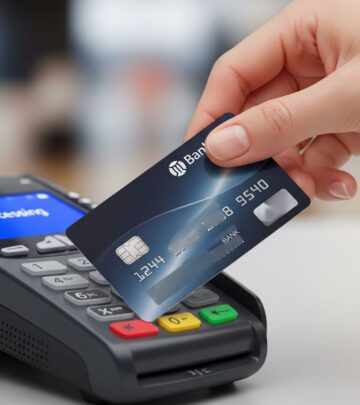
Key advantages include enhanced security through chip technology and PIN protection, real-time transaction tracking via mobile apps, and rewards like cash-back deals at select merchants. For instance, certain banks automatically enroll eligible cards in personalized offer programs, depositing savings directly into accounts.
Eligibility Criteria for Securing a Debit Card
Most financial institutions require applicants to meet basic standards before issuing a debit card. Primarily, individuals must be at least 18 years old, though minors aged 13-17 can often qualify through joint accounts with a parent or guardian.
- Government-issued photo ID, such as a driver’s license or passport
- Social Security number or equivalent identification
- Proof of address via utility bills, lease agreements, or mortgage statements
- Occasional initial deposit, varying from $1 to higher minimums depending on the bank
For joint accounts, all parties submit similar documentation. Maintaining a clean banking history, free of unresolved issues, improves approval odds.
Step-by-Step Guide to Acquiring Your Debit Card
Obtaining a debit card typically begins with establishing a checking account, the foundational step for most users.
Selecting the Right Financial Institution
Evaluate banks or credit unions based on fees, digital tools, branch access, and debit perks. Online banks often feature low or no minimum balances, while traditional ones may offer immediate card issuance at branches.
| Factor | Online Banks | Traditional Banks |
|---|---|---|
| Account Opening | Fully digital, 24/7 | In-person or app |
| Card Delivery | 7-10 days mailed | Same-day possible |
| Minimum Deposit | Often $0-$25 | $25-$100 typical |
| Fees | Low/no monthly | Variable, waivable |
Completing the Account Application
Applications are available online, via app, or in-branch. Provide personal details, upload or present ID, and fund the account if required. Approval is usually instant for qualifying applicants, followed by account activation including online banking setup.
Requesting the Debit Card
During account opening, specify your need for a debit card. Many institutions mail it within 7-10 business days, sometimes separately from the PIN for security. Branches may issue temporary cards on-site.
For urgent needs, inquire about expedited shipping, though fees apply. Custom designs reflecting personal interests are available at select banks.
Activating and Setting Up Your New Debit Card
Upon receipt, activation is mandatory before use. Instructions accompany the card, outlining options like:
- Calling a dedicated toll-free number and verifying card details (number, expiration, CVV)
- Logging into the bank’s online portal or mobile app
- Visiting an ATM and completing a balance inquiry with PIN setup
PIN creation occurs during activation; choose a secure, memorable combination. Use private, secure connections for online methods to prevent fraud. Activation typically takes under five minutes.
Post-activation, link the card to digital wallets, enable transaction alerts, and explore features like virtual card numbers for safer online shopping.
Prepaid Debit Cards: An Alternative Path
For those without or uninterested in traditional accounts, prepaid debit cards offer immediate access. Purchase at retailers, pharmacies, or online from Visa/Mastercard providers. Load funds upfront, paying the balance plus activation fees (often $3-$10).
Reloadable options exist, but they lack full banking integration. Ideal for one-off needs, gifting, or building credit history indirectly. Government programs, like certain unemployment benefits, issue prepaid cards without personal accounts.
Security Best Practices for Debit Card Users
Protect your card by monitoring statements daily via apps, setting purchase limits, and enabling two-factor authentication. Report loss immediately to freeze the card; liability is limited if notified promptly.
- Never share PIN or CVV
- Avoid public Wi-Fi for banking
- Retain receipts and reconcile monthly
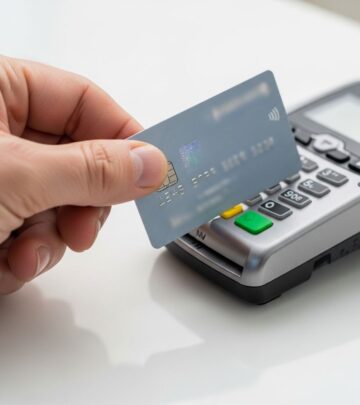
- Use contactless payments where available
Common Challenges and Solutions
Delays in mailing or activation can frustrate users; contact support for status updates. Insufficient funds or ID mismatches lead to denials—double-check documents. Teens face co-signer requirements; parents should prepare accordingly.
Debit Cards for Minors and Joint Accounts
Many banks accommodate youth through teen checking products. A parent co-signs, providing their info, while the minor receives controlled-access cards with spending limits and parental notifications.
Comparing Debit Cards Across Providers
Features vary: some offer overdraft protection, others fee-free ATMs nationwide. Research no-fee options to maximize value.
Frequently Asked Questions (FAQs)
Can I get a debit card without a bank account?
Yes, prepaid debit cards are available at stores or online, loaded with cash and reloadable in many cases.
How long does it take to receive a debit card?
Mailed cards arrive in 7-10 business days; branch visits may yield instant temporary cards.
What if I’m under 18?
Open a joint account with a parent or guardian; age minimums start at 13 for some products.
Is activation difficult?
No, it involves a quick call, app login, or ATM visit following included instructions.
Do debit cards have fees?
Many checking accounts waive them with minimum balances or direct deposits; compare providers.
Maximizing Benefits from Your Debit Card
Beyond basics, leverage rewards, cash-back at groceries or gas, and budgeting tools. Pair with high-yield checking for better returns on balances. Regularly review offers to save on everyday spending.
In summary, securing a debit card streamlines financial control. Start with a suitable checking account, meet documentation needs, and activate promptly for seamless use. This approach fosters responsible money habits without debt accumulation.
References
- How Do You Get a Debit Card? — SoFi. 2024. https://www.sofi.com/learn/content/how-to-get-a-debit-card/
- How to Get a Debit Card: A Step-by-Step Explainer — Business Insider. 2024. https://www.businessinsider.com/personal-finance/banking/how-to-get-a-debit-card-cash-atm
- How To Get A Debit Card — Bankrate. 2024. https://www.bankrate.com/banking/checking/how-to-get-a-debit-card/
- Debit card – Apply online — U.S. Bank. 2024. https://www.usbank.com/bank-accounts/checking-accounts/debit-cards.html
- How To Get A Debit Card — Huntington Bank. 2024. https://www.huntington.com/learn/checking-basics/what-is-a-debit-card
Similar Articles








Read full bio of medha deb