How to Never Succumb to Impulse Spending Again
Master proven strategies to conquer impulse buying, protect your budget, and achieve lasting financial discipline forever.

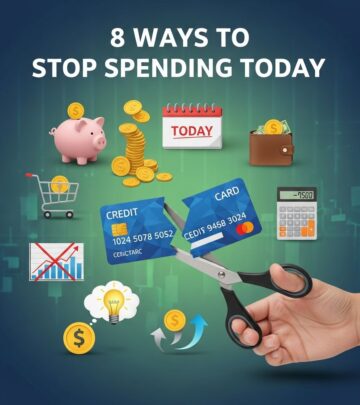
Impulse spending undermines financial goals by creating a cycle of regret and debt. It triggers habitual purchases that derail budgets and long-term savings. This guide outlines comprehensive strategies drawn from behavioral insights and practical frugality tactics to break free from impulse buying forever.
Understand the Psychology Behind Impulse Spending
Impulse purchases often stem from emotional triggers rather than need. Behavioral economists note that credit cards decouple the pain of payment from the pleasure of acquisition, leading consumers to overspend by focusing solely on benefits while ignoring costs. This ‘decoupling’ effect makes plastic feel painless, unlike handing over cash, which creates an immediate sense of loss psychologists call ‘coupling.’
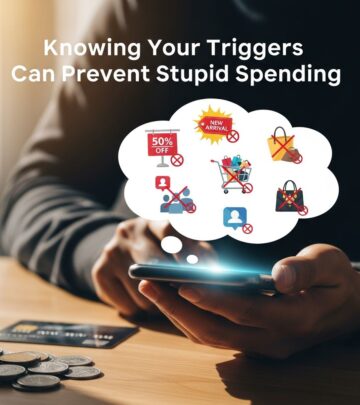
Additionally, sales and markdowns exploit fear of missing out (FOMO), pushing suboptimal buys. Emotions like excitement or stress amplify this, as shoppers set aside rational evaluation for instant gratification. Recognizing these triggers is the first step: track when urges arise—post-achievement rewards, boredom, or upset moods—to preempt them.
Implement the Waiting Period Rule
Adopt a mandatory delay before any non-essential purchase. Start with the ‘one-hour rule’ for small items, scaling to a ’30-day rule’ for larger ones. This cooling-off period allows initial excitement to fade, revealing true necessity. Studies show prolonged reflection reduces impulsive decisions by re-engaging logical thinking over emotional impulses.
- For items under $20: Wait 24 hours.
- $20–$100: 7 days.
- Over $100: 30 days.
During the wait, note the item details and revisit your budget. If desire persists, proceed; otherwise, you’ve saved money effortlessly. This habit builds discipline and prevents regret.
Shop with Frugal Companions
Your shopping partners influence decisions profoundly. Impulse-prone friends may encourage unnecessary buys, framing them as ‘must-haves.’ Instead, shop with budget-minded individuals who offer honest feedback and reinforce restraint.
To apply this:
- Choose companions committed to frugality.
- Shop solo for high-temptation outings like clothing sales.
- Discuss spending goals beforehand to align expectations.
This social accountability mirrors group dieting success, where peers deter deviations.
Leverage Return Policies Strategically
Select retailers with generous return windows. If an impulse overtakes you, buy but enforce a personal review period—e.g., three days of ‘Do I need it?’ reflection—then return unneeded items. This safety net reduces risk while training hesitation.
Pro tip: Photograph items pre-purchase for easy comparison later. Many stores offer 30–90 day returns, turning potential mistakes into learning opportunities without permanent loss.
Distinguish True Wants from Sale Traps
Sales create illusionary urgency: ‘50% off’ tempts buys of items you merely ‘could use.’ Categorize potential purchases strictly:
| Category | Description | Action |
|---|---|---|
| I Really Want This | Long-desired item on sale | Buy if budgeted |
| Oh, I Could Use This | Convenient but unneeded | Skip—saving is the real discount |
Historical examples abound: wardrobes cluttered with ‘bargain’ shoes rarely worn. Always ask, ‘Would I pay full price?’ If no, walk away.
Maintain a Pre-Approved Shopping List
Curate a wishlist of researched items with target prices. Only purchase from this list, especially during sales. This shifts shopping from reactive to proactive, ensuring value.
- Research via price trackers or historical data.
- Update monthly based on needs.
- Delete items if desire wanes.
This method leverages preparation to bypass impulse triggers.
Adopt Cash-Only or Limited Payment Methods
Leave credit cards home; carry only planned cash. Without easy plastic, spending hurts immediately via coupling—each bill handed over reinforces cost awareness. Alternatives include freezing cards in ice or using prepaid gift cards loaded with exact budgets.
Evidence from consumer studies confirms cash curbs overspending: users deliberate more, as mental accounting ties funds directly to transactions. For online shopping, delete saved card info and buy gift cards in advance to mimic cash constraints.
Set a Splurge Budget
Allocate a fixed ‘fun money’ allowance monthly—e.g., 5% of income. Once depleted, no more discretionary spends. This satisfies urges guilt-free while protecting core savings.
Couples report success budgeting joint impulse funds, exhausting them halts further splurges without resentment. Track via apps or envelopes for tangible limits.
Avoid Shopping in Emotional States
Mood drives impulses: stress, boredom, or triumph prompts retail therapy. Counter by:
- Logging mood pre-shop; postpone if negative.
- Replacing shopping with free alternatives like walks or libraries.
- Questioning: ‘If offered cash equivalent, would I take it?’
A University of Omaha study links optimism bias in pay-later schemes to impulse risks, underscoring mood’s role in undervaluing costs.
Record and Review All Purchases
Maintain a spending journal or app logging every buy with rationale. Weekly reviews reveal patterns—e.g., coffee runs totaling $200/month—prompting adjustments.[10]
This mindfulness echoes dieting tracking, fostering accountability. Old-school tools like notebooks amplify awareness over digital detachment.
Additional Strategies for Online Impulse Control
Digital shopping amplifies temptations with one-click buys. Mitigate by:
- Using single-account debit with low balances.
- Avoiding email sign-ups for marketing lists.
- Employing browser extensions blocking impulse sites.
Combine with waiting rules for e-commerce success.
Frequently Asked Questions (FAQs)
What is the 30-day rule for impulse buying?
The 30-day rule requires waiting 30 days before non-essential purchases over a set amount, allowing emotions to subside and revealing true needs.
Why do credit cards lead to more spending?
Credit cards decouple payment pain from purchase pleasure, causing shoppers to overvalue benefits and ignore costs.
How can I shop with friends without overspending?
Choose frugal companions, set pre-shopping budgets, and shop solo for high-risk outings.
Does setting a splurge budget really work?
Yes, it channels urges into controlled spending, preventing budget blowouts as confirmed by user experiences.
What if I still buy impulsively despite tips?
Review purchases weekly, use cash-only, and build habits gradually—persistence rewires behavior.[10]
References
- 9 Simple Ways to Stop Impulse Buying — Wise Bread. 2010-approx (evergreen frugality advice). https://www.wisebread.com/9-simple-ways-to-stop-impulse-buying
- Of Emotion Attempting To Find The Best Deal On A Product — The Bloody Buddy (PDF research summary). 2023-approx. https://thebloodybuddy.com/_pdfs/form-library/v9dJOO/Of-Emotion-Attempting-To-Find-The-Best-Deal-On-A-Product-Determining.pdf
- Why We Spend More When We Pay With Credit Cards — Wise Bread. 2012-approx (psychology-based). https://www.wisebread.com/why-we-spend-more-when-we-pay-with-credit-cards
- Why do many consumers prefer to pay now when they could pay later? — University of Nebraska Omaha Digital Commons (.edu peer-reviewed). 2018. https://digitalcommons.unomaha.edu/cgi/viewcontent.cgi?article=1011&context=marketingfacpub
- How to Never Succumb to Impulse Spending Again — Wise Bread. 2014-approx. https://www.wisebread.com/how-to-never-succumb-to-impulse-spending-again
Similar Articles








Read full bio of Sneha Tete