How To Never Pay For Another Book: 7 Free Reading Methods
Discover proven strategies to access unlimited books for free through libraries, swaps, and digital platforms without spending a dime.

Avid readers often face the dilemma of expanding their literary horizons without draining their wallets. The good news is that in today’s digital age and with robust public services, it’s entirely possible to access an unlimited supply of books—new releases, classics, and everything in between—for free. This guide outlines comprehensive, legal strategies to build your reading habit without ever purchasing another book. From leveraging public libraries to participating in swaps and harnessing digital platforms, you’ll discover how to read voraciously while saving hundreds annually.
1. Public Libraries: Your Ultimate Free Resource
Public libraries remain the cornerstone of free reading. Most offer not just physical books but also audiobooks, magazines, magazines, e-books, and more. In the U.S., over 16,000 public libraries serve communities, with systems like the New York Public Library boasting millions of items.
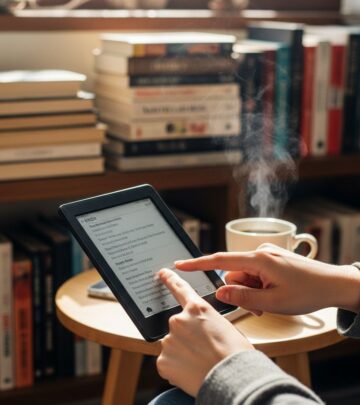
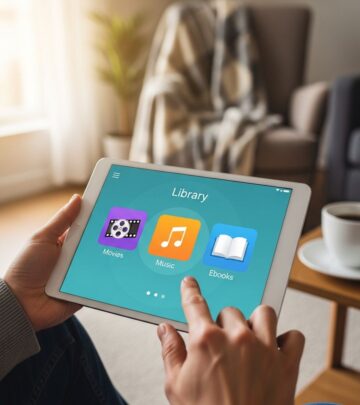
- Overdrive and Libby Apps: Connect your library card to apps like Libby or Overdrive for instant e-book and audiobook downloads. Popular titles like bestsellers from Stephen King or Michelle Obama are often available, with wait times similar to physical holds.
- Physical Loans: Borrow up to 20-50 books at a time, depending on your library. Renew online to extend reading time.
- Interlibrary Loans (ILL): Request rare books from other libraries nationwide for free or nominal fees.
- Events and Classes: Many host free author talks, book clubs, and literacy workshops.
Pro Tip: Get cards at multiple libraries in your area or even out-of-state if traveling. Apps make access seamless from anywhere.
2. Book Swapping Communities
Book swaps turn your read books into new ones for others. Platforms facilitate mailing or local exchanges, ensuring a constant influx of fresh reads.
- Paperback Swap: Register books you own; when someone requests yours, ship it and receive credits for others. Thousands of titles available daily.
- BookCrossing: “Release” books into the wild by leaving them publicly with labels. Track their journeys worldwide as others find and relabel them.
- Local Swaps: Join Facebook groups, Nextdoor, or community bulletin boards for in-person trades—no shipping needed.
- Little Free Libraries: These neighborhood boxes operate on a “take one, leave one” honor system. There are over 100,000 globally.
Swapping not only saves money but builds community connections. Start by listing 5-10 finished books to kick off your credits.
3. Free E-Book Platforms and Public Domain
Digital books eliminate physical limits. Publishers increasingly offer free digital samples, while public domain treasures are limitless.
- Project Gutenberg: Over 60,000 free e-books, primarily classics like “Pride and Prejudice” and “Moby Dick.” Download in EPUB, Kindle formats.
- Internet Archive: Millions of scanned books, including out-of-print titles. Borrow digitally like a library.
- Google Books: Preview large portions of modern books; full texts for public domain works.
- Author Websites: Many indie authors offer first books free to hook readers (e.g., Hugh Howey’s “Wool” series starters).
Combine with free Kindle app on any device for seamless reading.
4. Audiobook Services and Library Extensions
Audiobooks fit commutes and chores. Libraries lead here, but apps expand options.
- Hoopla and Libby Audiobooks: No-wait digital checkouts for thousands of titles. Hoopla allows 3-10 borrows monthly without holds.
- FreeTrials: Services like Audible offer 30-day trials with 1-2 free books. Cancel post-trial to avoid charges.
- Podcasts and Librivox: Volunteer-read public domain audiobooks, covering works by Jane Austen to Mark Twain.
Users rave about library audiobooks for long drives, turning dead time into story time.
5. Promotions, Giveaways, and Contests
Publishers and retailers flood readers with freebies to build buzz.
- Goodreads Giveaways: Enter daily for ARCs (advance reader copies) of upcoming books. Winners get free physical copies.
- NetGalley: Free digital review copies for bloggers/reviewers. Approve in minutes.
- BookBub and Freebooksy: Daily emails highlight 100% free e-book deals across genres.
- Library Sales and Friends Shops: Fill paperbacks for $1/bag; often free days.
Set alerts and enter consistently—many win multiple books monthly.
6. Workplace, School, and Community Resources
Don’t overlook institutional perks.
- Work Libraries: Many offices stock professional development books for free borrowing.
- University Access: Alumni or public often use open stacks. Apps like JSTOR for e-chapters.
- Prison and Hospital Libraries: Extended family can borrow for patients.
- Churches/Nonprofits: Free lending libraries for spiritual and self-help reads.
7. DIY and Creative Hacks
Get inventive for niche needs.
- Neighbor Networks: Form a rotating book club where each hosts and shares reads.
- Receipt Swaps: Trade bookstore receipts for returns (ethical use only).
- Digital Conversion: Scan personal books to PDF for repeated access.
- Subscription Boxes: Rare free trials or referral credits for book boxes.
Pros and Cons Table
| Method | Pros | Cons |
|---|---|---|
| Libraries | Unlimited variety, new releases, no shipping | Waitlists for popular titles |
| Swaps | Personalized selection, social | Shipping costs (often offset by credits) |
| Free Ebooks | Instant access, no returns | Limited to classics or promos |
| Audiobooks | Multitasking-friendly | Data usage for downloads |
Frequently Asked Questions (FAQs)
Do I need a library card from every branch?
Yes, multiple cards maximize holds and digital loans. Most are free with ID.
Are book swaps safe?
Reputable sites like Paperback Swap insure shipments; local swaps build trust personally.
Can I get new bestsellers for free?
Via library apps, often within weeks of release, or ARCs months early.
What about textbooks?
OpenStax (free online), library reserves, or student swaps cover most needs.
Is this legal?
Absolutely—all methods respect copyright through lending, public domain, or promo terms.
Implementing these strategies can save $500+ yearly for heavy readers. Start with your local library app today and layer on swaps for variety. Never pay for another book—read freely forever.
References
- Library of Congress Public Library Statistics — Institute of Museum and Library Services. 2023-10-01. https://www.imls.gov/research-evaluation/data-collection/public-libraries-survey
- OverDrive Usage Report — OverDrive. 2024-05-15. https://company.overdrive.com/2024/05/15/overdrive-usage-report/
- Project Gutenberg Collection — Project Gutenberg Literary Archive Foundation. 2025-01-01. https://www.gutenberg.org/
- Little Free Library Network — Little Free Library. 2024-11-20. https://littlefreelibrary.org/
- Wise Bread: How to Never Pay for Another Book — Wise Bread. 2008-09-10. https://www.wisebread.com/how-to-never-pay-for-another-book
- Internet Archive Open Library — Internet Archive. 2025-01-05. https://openlibrary.org/
Similar Articles








Read full bio of medha deb