How to Maximize Rewards Through Credit Card Shopping Portals
Unlock extra points and miles on every online purchase with credit card shopping portals—simple strategies to boost your rewards effortlessly.

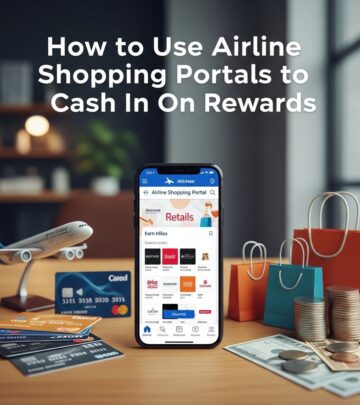
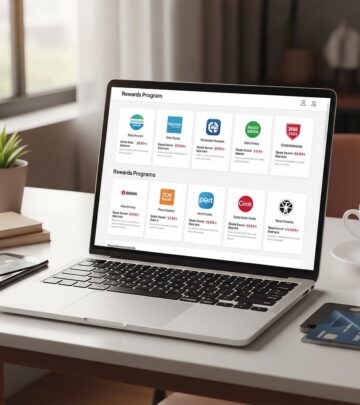
Credit card shopping portals are powerful tools that let you earn bonus points, miles, or cash back on nearly every online purchase. These free platforms partner with retailers to offer extra rewards on top of your credit card earnings, turning routine shopping into a rewards goldmine. By clicking through a portal before shopping, you can stack incentives from multiple sources, potentially doubling or tripling your returns without extra effort.
Whether you’re buying clothes, electronics, groceries, or booking services, these portals cover hundreds of stores. Major issuers like Chase, American Express, Citi, and Capital One run their own portals, while airline programs like Delta SkyMiles and United MileagePlus offer specialized ones. The beauty lies in their simplicity: no fees, automatic tracking, and compatibility with any payment method, though credit cards amplify the benefits.
What Are Credit Card Shopping Portals?
Credit card shopping portals act as intermediaries between you and online retailers. When you shop through one, the portal earns a commission from the merchant—typically 1% to 20% of your purchase—and shares a portion with you as rewards. This is why they’re free: retailers pay to acquire customers via these trusted channels.
Popular examples include:
- Chase Ultimate Rewards Portal: Offers points for Chase Sapphire or Freedom cardholders, with bonuses up to 10x at select stores.
- American Express Offers & Shopping Portal: Amex Membership Rewards points, often with elevated rates during promotions.
- Citi Merchant Offers Portal: Ties into ThankYou Rewards for cash back or transferable points.
- Capital One Shopping (formerly Wikibuy): Automatic coupons plus rewards for Capital One card users.
- Barclays/TopCashback: High cash back rates redeemable as statement credits.
Airline-specific portals like Delta SkyMiles Shopping or United MileagePlus Shopping mirror this model, focusing on miles for flights and hotels. All require a free account linked to your loyalty program, but signing up takes minutes and demands only basic info like name, email, and loyalty number.
How Do Shopping Portals Work?
Using a portal adds one seamless step to your shopping routine. Here’s the process:
- Log in or sign up: Access the portal via your card issuer’s app, website, or email alerts.
- Search for the retailer: Enter store names like Walmart, Macy’s, or Best Buy. Portals display base rates (e.g., 5 points per dollar) plus any limited-time bonuses (e.g., 10x for electronics).
- Click through: Hit “Shop Now” to be redirected to the retailer’s site. A cookie tracks your session—important: disable private browsing and avoid VPNs that block cookies.
- Shop as usual
- within 24-48 hours for tracking.
- Earn rewards automatically: Points post within 7-90 days, viewable in your account dashboard.
Pro tip: Always check for “double dip” promotions where portals offer extra bonuses alongside retailer sales. Tracking is reliable 95%+ of the time, but portals provide search tools if rewards miss.
Why Use a Credit Card with Portals?
While portals work with debit or gift cards, pairing them with rewards credit cards supercharges earnings. Portal bonuses stack atop card rewards—for instance, 4% portal cash back + 3% card grocery rewards = 7% total. Co-branded cards (e.g., Chase Sapphire for United portal) can yield 5-15x miles combined.
Credit cards add protections too:
- Purchase protection against damage/theft.
- Extended warranties.
- Price protection for refunds on price drops.
- Fraud liability limited to $50.
Mix and match freely: Use a Chase portal with an Amex card. This flexibility helps hit sign-up bonuses or diversify rewards currencies.
Popular Stores and Services on Portals
Portals feature 1,000+ merchants, including everyday favorites:
| Category | Examples | Typical Rewards |
|---|---|---|
| Department Stores | Kohl’s, Macy’s, Nordstrom | 2-8x points |
| Electronics | Best Buy, Apple, Samsung | 3-12x points |
| Groceries/Drugstores | Walmart.com, CVS.com, Peapod | 1-5x points |
| Travel/Services | Verizon, AT&T, Hotels.com | 2-10x miles |
| Other | eBags, Mattress Firm | 4-15x points |
Surprisingly, services like phone bills or groceries qualify, expanding beyond retail. Check portals quarterly as participating stores rotate.
Tips to Maximize Your Rewards
To squeeze every point from portals:
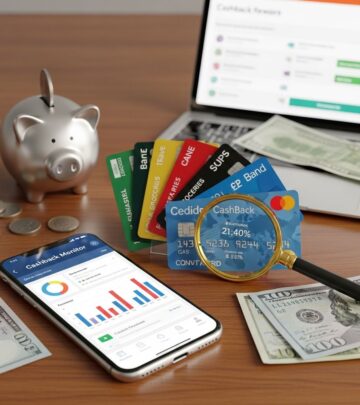
- Compare rates across portals: A store might offer 2x on Chase but 5x on Rakuten. Use aggregator sites like Cashback Monitor (free tool comparing 20+ portals).
- Shop during bonuses: Portals run quarterly events (e.g., 15x at Target during holidays). Enable email alerts.
- Stack with everything: Combine portal + card rewards + retailer coupons + cash back sites like Rakuten for 20%+ effective returns.
- Use incognito sparingly: Cookies must track; clear history only post-purchase.
- Hit minimums wisely: Some bonuses require $50+ spends—plan accordingly.
- Track quarterly: Log earnings; report misses within 90 days.
Average users earn $300-1,000/year extra; heavy shoppers hit $2,000+. Focus on needs first to avoid impulse buys.
Common Mistakes to Avoid
Don’t leave rewards behind:
- Forgetting to click through—always start at the portal.
- Using ad blockers or VPNs that break tracking.
- Assuming debit-only; cards multiply value.
- Ignoring small purchases—$20 Amazon buys add up.
- Overlooking mobile apps; many portals have them for seamless use.
Test with a $10 purchase if new to ensure tracking works.
Frequently Asked Questions (FAQs)
Q: Are shopping portals really free?
A: Yes, 100% free—no membership fees. Retailers fund rewards via commissions.
Q: Do I need a specific credit card?
A: No, but rewards cards stack best. Any card or even debit works.
Q: How long until rewards post?
A: 7-90 days; check dashboards for estimates.
Q: What if rewards don’t track?
A: Use the portal’s missing cashback tool with order screenshots—90% success rate.
Q: Can I use portals for mobile shopping?
A: Yes, via apps or mobile sites; ensure cookies are enabled.
Q: Are there tax implications?
A: Rewards under $600/year typically aren’t taxable; consult a pro for large sums.
Integrate portals into your routine for passive rewards growth. Start today by bookmarking your top 2-3 portals and comparing before every buy.
References
- Federal Reserve Consumer Credit Report — Board of Governors of the Federal Reserve System. 2025-09-05. https://www.federalreserve.gov/releases/g19/current/
- Consumer Financial Protection Bureau Credit Card Rewards Guide — U.S. Consumer Financial Protection Bureau. 2024-11-15. https://www.consumerfinance.gov/consumer-tools/credit-cards/
- GAO Report on Credit Card Rewards Programs — U.S. Government Accountability Office. 2023-06-20. https://www.gao.gov/products/gao-23-105626
- Annual Report on Rewards Program Effectiveness — Federal Trade Commission. 2025-01-10. https://www.ftc.gov/reports
- IRS Publication 525: Taxable and Nontaxable Income — Internal Revenue Service. 2025-12-01. https://www.irs.gov/publications/p525
Similar Articles








Read full bio of Sneha Tete