How to Master These 10 Shopping Skills Before You Hit 30
Master these essential 10 shopping skills in your 20s to save thousands, shop smarter, and build lasting financial habits before turning 30.

Your 20s are a period of experimentation, occasional irresponsibility, and valuable lessons learned the hard way. As you approach 30, it’s time to refine your habits, particularly in managing finances. Smart shopping is a cornerstone of financial independence, enabling you to stretch your hard-earned money further. Mastering these 10 skills will boost your budget, reduce waste, and position you for long-term wealth building. Whether you’re furnishing your first apartment or upgrading your wardrobe, these strategies ensure every purchase counts.
1. Comparing Prices
The foundation of savvy shopping is
comparing prices
across multiple retailers. This basic yet powerful skill can save you thousands annually by uncovering disparities in pricing for everything from groceries to gadgets. In today’s digital age, tools like price comparison websites, browser extensions, and apps make this effortless. Start by identifying what you need, then search across e-commerce sites, local stores, and marketplaces. For instance, electronics might be 20-30% cheaper on one platform versus another due to promotions or competition.Practice by setting aside time weekly to research upcoming purchases. Check historical pricing data to avoid inflated ‘sale’ prices. Over time, you’ll develop an intuition for fair value, turning shopping into a strategic game where you always win. Remember, the economy rewards the informed buyer—invoke your inner Darwin to survive the retail jungle.
2. Negotiating Major Purchases
While online shopping dominates, in-person buys like cars, furniture, or appliances demand
negotiation skills
. Haggling isn’t just for flea markets; it’s essential for securing the best price on big-ticket items. Approach negotiations confidently, focusing not only on dollars but also on added value like free delivery, warranties, or bundles.Preparation is key: research market prices, know your walk-away point, and practice phrases like “What’s your best price?” or “Can we include installation?” Start small to build confidence. A common pitfall is fixating on cash savings—consider trade-ins or payment plans. With practice, negotiation becomes second nature, protecting your wallet from overpaying.
3. Evaluating Competing Products
Beyond price,
evaluating competing products
ensures you buy quality that lasts. Compare features, reviews, materials, and longevity rather than just the cheapest option. For clothing, assess fabric durability; for tech, check battery life and user feedback. Lindsay Sakraida from DealNews emphasizes buying fewer, higher-quality items to shop less overall, avoiding the fast-fashion trap of constant replacements.- Read expert reviews from trusted sites.
- Check return policies and warranties.
- Consider total cost of ownership (e.g., energy efficiency for appliances).
This skill fosters ‘shopping maturity,’ prioritizing value over volume for a sustainable wardrobe and home.
4. Shopping with a Buddy (When Needed)
Solo shopping offers freedom from judgment, but for high-stakes buys, enlist a
trusted buddy
. A friend provides an objective voice, questioning impulses: “Do you need this, or just want it?” This accountability curbs emotional spending, ensuring purchases align with needs.Choose a frugal-minded companion who won’t enable splurges. You’ll resent their input momentarily but thank them later. By 30, distinguishing wants from needs should be instinctive, preventing a lifetime of regretful buys cluttering your space.
5. Saying No to Impulse Buys
**Saying ‘no’** to temptations, even on sale, is a mature skill. Sakraida advises flipping the script: Instead of “It’s cheap, why not?” ask “Why should I buy it? Does it meet a real need?” A bargain is worthless if unused. Implement a 24-48 hour rule for non-essentials to let excitement fade.
Track triggers like sales emails or endcaps. Cultivate discipline to preserve your budget for meaningful investments.
6. Thrift Shopping and Buying Used
Overcome aversion to
thrift shopping
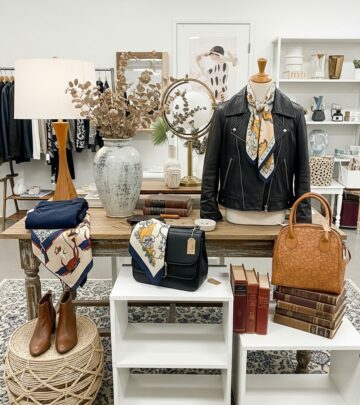
for massive savings on pre-owned goods. From clothing to furniture, secondhand markets offer 70-80% discounts on quality items with character. Anna Brockway of Chairish recommends vintage furniture for first homes—better made, stylish, and affordable.- Visit thrift stores, yard sales, and apps like Facebook Marketplace.
- Inspect for condition; clean or repair as needed.
- Focus on timeless pieces over trends.
Embracing used goods signals personal style mastery and financial savvy.
7. Avoiding Emotional or Impaired Shopping
Never shop when
hungry, emotional, or tipsy
—these states cloud judgment, leading to costly mistakes. Identify personal triggers like stress-eating retail therapy or late-night online sprees. Shop with a clear mind, full stomach, and sober mindset.Maintain a pre-shop checklist: Am I calm? Is this planned? This prevents budget-busting regrets.
8. Knowing When to Splurge (Quality Over Quantity)
Balance frugality with strategic
splurges
on durable items like shoes, tools, or kitchenware. Invest in pieces that last, reducing replacement frequency. Evaluate ROI: A $200 quality coat outlasts five $50 fast-fashion ones.| Category | Frugal Buy | Splurge Worthy |
|---|---|---|
| Clothing | Basics from discount stores | Leather boots, wool coat |
| Tech | Budget accessories | Laptop, phone |
| Home | Used decor | Quality mattress |
This discernment maximizes value.
9. Understanding Return Policies
Master
return policies
to shop risk-free. Know timelines, conditions, and fees before buying. Use generous policies for fit-testing clothes or trying gadgets. This empowers confident purchases, especially online.Pro tip: Keep receipts and original packaging organized.
10. Building a Shopping List and Sticking to It
A disciplined
shopping list
prevents wanderlust in stores. Categorize needs, estimate costs, and stick rigidly. Apps like AnyList sync lists across devices. Review post-shop to refine future lists.This habit curbs impulse and ensures purposeful spending.
Frequently Asked Questions (FAQs)
Q: How much can I save by comparing prices?
A: Thousands annually; disparities often exceed 20-30% across retailers.
Q: Is negotiating only for big purchases?
A: No, apply it to flea markets, services, and even some retail for extras like discounts.
Q: What’s the best way to start thrift shopping?
A: Begin with low-stakes items like accessories; inspect quality and build from there.
Q: How do I avoid impulse buys during sales?
A: Use the 24-hour rule and ask ‘Why buy?’ focusing on needs.
Q: When should I splurge vs. save?
A: Splurge on high-use, durable items; save on trends or duplicates.
References
- How to Master These 10 Shopping Skills Before You Hit 30 — Wise Bread. 2016 (Accessed 2026). https://www.wisebread.com/how-to-master-these-10-shopping-skills-before-you-hit-30
- Consumer Expenditure Survey — U.S. Bureau of Labor Statistics (.gov). 2024-10-01. https://www.bls.gov/cex/
- Financial Literacy and Savings Behaviors — Federal Reserve Board (.gov). 2023-05-15. https://www.federalreserve.gov/publications/2023-economic-well-being-of-us-households-in-2022-executive-summary.htm
- Price Comparison and Consumer Savings — Consumer Financial Protection Bureau (.gov). 2024-02-20. https://www.consumerfinance.gov/data-research/research-reports/
Similar Articles








Read full bio of medha deb