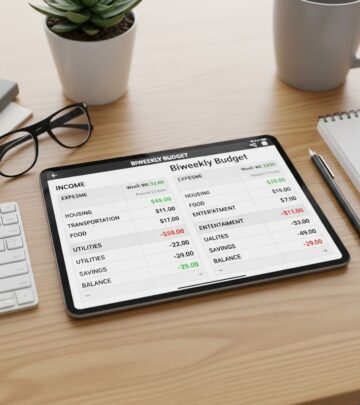
How To Manage Money When You’re Paid Monthly
Learn how to confidently budget, save, and stay on track when your paycheck only comes in once a month.

Getting paid just once a month can feel intimidating, but with the right plan you can turn your monthly paycheck into a powerful tool for stability, savings, and long-term goals.
When you only see your income hit your bank account once, you must be more intentional about every dollar. The good news is that many people successfully live on a monthly pay schedule, and you can too with a clear, realistic approach to your money.
What it means to be paid monthly
Being paid monthly means your employer issues your paycheck once every month, often on the last working day or a fixed date such as the 25th or 30th.
Common examples of jobs that may pay monthly include:
- Corporate and salaried office roles
- Government and public sector positions
- University, academic, and some education roles
- Professional services such as law, accounting, or consulting
Payment frequency (weekly, biweekly, semi-monthly, or monthly) does not change your annual income, but it does change how you must plan your cash flow over the month.
Pros and cons of getting paid monthly
Monthly paychecks come with both benefits and challenges. Understanding these upfront helps you design a plan that works in your favor.
| Aspect | Pros of monthly pay | Cons of monthly pay |
|---|---|---|
| Bill payment | Easy to cover most bills at once since many are monthly | Risk of running out of money before month-end if you overspend early |
| Planning | Encourages long-range planning and intentional budgeting | Requires more discipline to stretch money through the full month |
| Savings | Can automate savings once per month and track progress easily | If you miss a month, it’s a longer wait to “catch up” |
| Cash flow | Predictable single payday simplifies some people’s routines | Emergencies mid-month feel more stressful without a nearby paycheck |
The key to thriving on a monthly paycheck is having a clear plan for your expenses, savings, and buffers before the money arrives.
7 ways to plan your finances if you are getting paid monthly
Use these practical steps to create a stable, low-stress money plan when your income comes in once a month.
1. Add up all of your fixed and variable expenses
Your first task is to know exactly where your money is going. Start by listing every regular expense in two groups: fixed and variable.
Fixed expenses typically stay the same each month and are often due on predictable dates. Examples include:
- Rent or mortgage
- Utilities (some may vary slightly but are often predictable)
- Insurance premiums
- Loan and debt payments
- Internet and phone bills
- Subscriptions and memberships
Variable expenses change month to month and are more under your control:
- Groceries and household supplies
- Transportation and fuel
- Eating out and takeout
- Entertainment and hobbies
- Personal care and clothing
To get a realistic picture, review at least the last three months of bank and card transactions. Many financial educators and regulators recommend tracking several months of spending to understand your real behavior rather than guesses.
Add up the monthly average for each category. This becomes the foundation for your monthly budget.
2. Make a monthly budget
Once you understand your expenses, build a monthly budget that allocates your paycheck intentionally instead of letting it “disappear” throughout the month.
You can choose from several popular budgeting methods and adapt them to your preferences.
Zero-based budgeting
With zero-based budgeting, every dollar of your income is given a specific job until there is zero left unassigned. That “job” might be bills, savings, debt repayment, or fun spending.
The formula is:
Income − Expenses − Savings − Debt Payments = 0
This method can be especially powerful when you’re paid monthly because it forces you to think through the entire month upfront and prevents unplanned leaks in your spending.
50/30/20 budgeting
The 50/30/20 rule is a simple budget guideline where you allocate:
- 50% of take-home pay to needs (housing, utilities, groceries, transportation)
- 30% to wants (dining out, travel, hobbies, entertainment)
- 20% to financial goals (savings, investments, extra debt payments)
This approach, frequently cited by consumer finance experts, offers an easy starting framework and can be adjusted based on your situation, especially in high-cost-of-living areas where needs might exceed 50%.
Envelope or category-based budgeting
Envelope-style budgeting assigns specific spending amounts to categories. You can do this with:
- Physical cash envelopes, withdrawing your monthly spending cash
- Digital envelopes using apps or separate sub-accounts at your bank
Once a category is spent, you stop or consciously adjust from another category, which helps prevent overspending when there is only one paycheck coming in.
Which method should you choose?
You don’t need a perfect system; you need one you will consistently use. Many people paid monthly use a hybrid approach, such as:
- Zero-based planning for their paycheck overall
- 50/30/20 as a high-level guideline
- Envelopes for problem categories like eating out or impulse purchases
3. Create a financial buffer
A financial buffer is a small cash cushion in your checking account or a linked savings account to absorb irregular expenses and timing issues between bills.
Unlike a full emergency fund, which may cover 3–6 months of expenses, a buffer might simply be a few hundred dollars that protects you from overdrafts and shortfalls.
To build your buffer when you are paid monthly:
- Decide on a target amount (for example, $200–$1,000 depending on your situation)
- Set up an automatic transfer each month right after payday
- Treat this buffer like a mini bill you must “pay” yourself
Once you reach your buffer goal, you can redirect that monthly amount toward other savings, debt, or investment goals, while maintaining the buffer at its target level.
4. Try to pay your bills ahead of time
When your income comes in only once a month, paying bills early can reduce stress and lower the risk of missing due dates.
Strategies to pay ahead include:
- Schedule automatic payments directly after your payday for fixed bills like rent, loans, and insurance
- Pay some bills a month in advance when possible, especially if you’ve built up a buffer
- Check for discounts on certain bills (e.g., some insurers offer a lower premium if you pay semi-annually or annually, which you can plan for as a sinking fund)
- Align due dates by asking providers if they can move your bill date closer to your payday
Paying bills early gives you a clearer picture of what’s truly left for discretionary spending for the rest of the month.
5. Create space in your spending
When money comes only once a month, overspending by even a small amount early on can create a squeeze near the end of the month. Building intentional “space” or wiggle room in your plan gives you flexibility.
Ways to create space include:
- Reviewing subscriptions and cancelling those you rarely use
- Menu-planning and cooking more at home to reduce food costs
- Setting a realistic but firm weekly spending cap for things like dining out or entertainment
- Using a 24-hour rule for impulse purchases so you pause before spending
Even small reductions across several categories can free up enough money each month to support savings, debt payoff, or a stronger buffer.
6. Pay yourself first
“Pay yourself first” means prioritizing your financial goals before you pay for optional spending. This approach is widely recommended by financial educators and regulators because it makes saving automatic rather than an afterthought.
When you’re paid monthly, you can pay yourself first by:
- Automating transfers to savings or investments the same day you’re paid
- Contributing to workplace retirement plans through payroll deduction
- Setting up automatic debt overpayments if you’re focused on payoff goals
Decide on clear priorities, such as:
- Building a starter emergency fund
- Paying off high-interest debt
- Saving for a home, education, or other large goals
By funding these first, you ensure your monthly paycheck moves you closer to long-term stability instead of being entirely consumed by day-to-day spending.
7. Reassess your financial plan if needed
Your first attempt at budgeting on a monthly paycheck will rarely be perfect. Income can change, bills can increase, and life events can shift your priorities.
Set a monthly “money date” with yourself to:
- Review what you actually spent versus what you planned
- Note where you consistently overspend or underspend
- Adjust your categories and limits for the next month
- Update your goals or savings targets if your situation changes
Regular reflection helps you improve your plan over time and keeps your budget realistic instead of rigid. Many financial coaches emphasize that consistency and adjustment matter more than perfection.
Sample monthly budget on a monthly paycheck
Here is a simplified example of how someone earning $3,500 per month after tax might allocate their income when they are paid monthly.
| Category | Example Amount | Percentage of Income |
|---|---|---|
| Rent & housing costs | $1,200 | 34% |
| Utilities & internet | $200 | 6% |
| Debt payments | $350 | 10% |
| Groceries | $450 | 13% |
| Transportation | $250 | 7% |
| Savings & investments | $500 | 14% |
| Personal & entertainment | $300 | 9% |
| Buffer / miscellaneous | $250 | 7% |
This is just one example. Your numbers will look different based on your income, cost of living, family size, and priorities.
Plan ahead if you are getting paid monthly
Planning ahead is the foundation of making a monthly pay cycle work for you instead of against you. When you know your expenses, set a clear budget, build a buffer, and automate your goals, you reduce the stress of waiting for the next paycheck.
Key habits that help include:
- Checking in with your budget at least once a week
- Keeping a running list of upcoming irregular expenses
- Adjusting your plan whenever your income or bills change
- Using automation to make saving and bill payment easier
With consistent practice, getting paid monthly can actually make it easier to align your spending with your values and long-term goals.
Frequently Asked Questions (FAQs)
Q: Is being paid monthly better than being paid biweekly?
A: Neither is automatically better; it depends on your habits and needs. Monthly pay simplifies planning and bill payment, while biweekly pay can make cash flow feel smoother because you see paychecks more often. Regardless of frequency, budgeting and saving habits are what really determine your financial stability.
Q: How can I stop running out of money before the end of the month?
A: Start by tracking your real spending, then create a monthly budget that prioritizes fixed bills, savings, and essentials first. Break your monthly discretionary spending (like dining out) into weekly limits so you don’t use it all in the first half of the month. Building a small buffer also helps protect you from shortages.
Q: How much should I keep as a buffer if I’m paid monthly?
A: Many people start with a goal of a few hundred dollars and build up from there to at least one month of basic expenses as part of an emergency fund, following common guidance from financial regulators and experts. The “right” amount depends on your job stability, debt level, and comfort with risk.
Q: What if my income is irregular but arrives monthly?
A: If your income varies, build your budget around the lowest amount you can reasonably expect to earn, then use high-earning months to build a buffer or “income smoothing” fund. This helps you maintain stable monthly expenses even when income fluctuates.
Q: How do I handle big, infrequent bills on a monthly paycheck?
A: Use sinking funds. Divide the annual or semi-annual cost by the number of months until it’s due and set aside that amount each month into a dedicated savings pot. By the time the bill arrives, you already have the money set aside, making it much easier to manage on a monthly income.
References
- Building and maintaining an emergency savings fund — Consumer Financial Protection Bureau. 2023-02-01. https://www.consumerfinance.gov/consumer-tools/educator-tools/resources-for-financial-education/teach-children-about-saving/
- Getting paid: Understand your pay frequency — U.S. Bureau of Labor Statistics. 2022-09-28. https://www.bls.gov/opub/btn/volume-11/pay-frequency-2021.htm
- Making a budget — Consumer Financial Protection Bureau. 2022-06-15. https://www.consumerfinance.gov/consumer-tools/budgeting/
- Balancing work and finances: 50/30/20 rule — Office of the New York State Comptroller. 2023-03-10. https://www.osc.ny.gov/reports/budgeting-using-50-30-20-rule
- Managing your money — Financial Conduct Authority (UK). 2023-01-19. https://www.fca.org.uk/consumers/money-managing
Similar Articles








Read full bio of Sneha Tete