How To Make Your Own Soda: 4 Easy Carbonation Methods
From healthy mixes to fermented brews, discover simple and creative ways to craft homemade soda at any skill level.
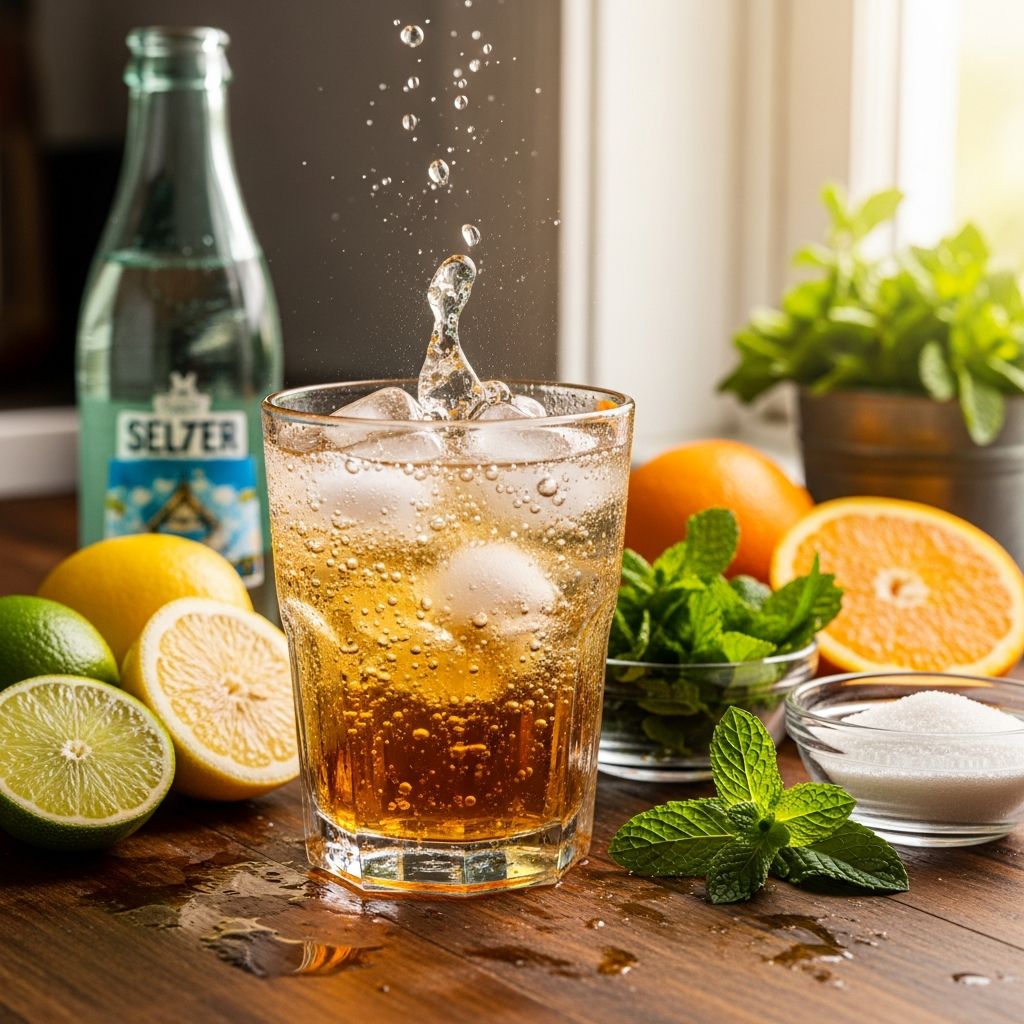
Making soda at home allows complete control over ingredients, sweetness, and carbonation, turning a store-bought habit into a customizable, cost-effective ritual. From quick healthy mixes to complex fermented brews, these techniques suit beginners and enthusiasts alike, reducing reliance on sugary commercial options.
Why Make Your Own Soda?
Commercial sodas often pack 35-39 grams of sugar per 12-ounce can—equivalent to nine teaspoons—primarily from high-fructose corn syrup, the cheapest sweetener available. Homemade versions let you swap in natural alternatives like honey, fresh fruits, or minimal sugar, promoting healthier hydration while cutting costs. Beyond health, crafting soda fosters creativity: experiment with seasonal fruits, herbs, or spices for unique flavors unavailable in stores. It’s an engaging project for families, teaching kids about fermentation or simple mixology without excessive sugar.
Time and expense vary by method. Quick mixes take minutes with pantry staples; advanced fermentation requires days but yields authentic, fizzy results like traditional ginger beer. All methods share three core elements:
sweetness
(simple syrup, honey, or fruit),flavor
(juices, extracts, or herbs), andcarbonation
(seltzer, machines, or yeast).Four Ways to Carbonate Your Soda
Carbonation defines the soda experience. Choose based on convenience, equipment, and desired fizz intensity.
- Seltzer Water: Simplest method—buy plain sparkling water and add flavors. No equipment needed; ideal for instant gratification.
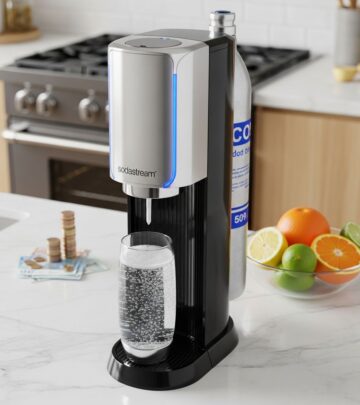
- Soda Makers (e.g., SodaStream): Invest in a carbonation machine for endless fizzy water on demand. Compatible with natural flavors; users report chilling mixtures first enhances infusion.
- Yeast Fermentation: Mimics traditional root beer or ginger beer. Yeast eats sugar, producing CO2 and mild alcohol (<1%). Best for bold, authentic taste but requires monitoring.
- Baking Soda + Acid: Chemical reaction (baking soda + citrus/vinegar) creates fizz. Quick but weaker carbonation; more for novelty.
Method 1: Seltzer Water Mixes (Easiest)
It doesn’t get simpler: pour seltzer over flavorings. Start with a 1:1 ratio of fruit juice and sparkling water for ‘healthy soda’—orange, cranberry, or apple work best. Sweeten with simple syrup if needed (dissolve equal parts sugar and water over heat). Add ice and serve.
Pro Tip: For SodaStream users, carbonate plain water first, then mix with chilled juice in a separate bottle. Squeeze out air, re-carbonate if desired, and shake gently.
Method 2: Soda Machines
Devices like SodaStream carbonate tap water via CO2 cartridges. Flavor post-carbonation with natural ingredients: lemon slices, root beer extract, or fruit purees. Commenters love it for convenience—’fizzy water’ becomes a daily staple, saving grocery trips.
Enhance with: Chill base liquid, attach to machine, infuse CO2 while shaking lightly. Cap securely after.
Method 3: Yeast Fermentation (Most Authentic)
Ferment like beer: yeast + sugar + flavor creates natural bubbles. Ginger beer, root beer, and birch beer shine here—slightly alcoholic but low (under 1% ABV due to short ferments). Use champagne yeast from homebrew stores; plastic bottles help gauge pressure (squeeze-test readiness).
Basic Process:
- Mix warm water, sugar/simple syrup, yeast, and flavor extracts/herbs.
- Bottle in sanitized plastic 2-liter bottles; ferment 1-3 days at room temp (70-75°F).
- Burp daily; refrigerate when firm to touch. Consume within a week.
Recipes abound: Jeffrey Morgenthaler’s ginger beer yields spicy fizz; CHOW’s root beer evokes nostalgia. Local homebrew shops offer supplies and tips.
Method 4: Chemical Carbonation
Dissolve 1/4 tsp baking soda in water, add acid (lemon juice/vinegar) for instant bubbles. Weaker than others; best for small batches or kids’ experiments.
Flavoring Your Homemade Soda
Sweetness pairs with flavor—use simple syrup universally unless specified.
- Fruit Juices: Classic ‘healthy soda’: OJ-seltzer mix. Variations: pineapple-mint, berry smash, grape mash. Blend fruits, strain, sweeten with honey, top with sparkling water.
- Readymade Extracts: Root beer, birch, cola syrups (soothes stomachs too). Available online/at stores; potent—start with 1-2 tsp per liter.
- Homemade Syrups: Ginger ale: simmer ginger, sugar, water. Root beer: complex blend (sassafras, wintergreen—source from Leeners.com). Experiment: pear-ginger ale.
Healthy Soda Recipes
Inspired by natural ingredients, these avoid HFCS.
| Recipe | Ingredients | Steps |
|---|---|---|
| Honey Ginger Soda | 1 tbsp grated ginger juice, 1 tbsp honey, sparkling water, ice | 1. Extract ginger juice. 2. Dissolve honey in 1/4 cup water. 3. Mix with ginger juice, top with seltzer. |
| Pineapple Soda | Blended pineapple, 1 tbsp honey, mint, ginger juice, sparkling water, salt/lemon rim | 1. Blend pineapple+honey. 2. Add mint, ginger, seltzer. 3. Rim glass with salted lemon. |
| Berry Soda | Fresh raspberries/blackberries, 1 tbsp honey, sparkling water | 1. Muddle berries. 2. Add honey, top with seltzer. Garnish with fruit. |
| Grape Soda | Mashed grapes, 1 tbsp honey, sparkling water | 1. Mash grapes (leave pulp optional). 2. Sweeten, add seltzer. |
Advanced Flavor Tips
Start with recipes, then tweak: Add wine grapes for subtle vino notes or herbs for complexity. Syrups store refrigerated up to two weeks.
Equipment and Cost Breakdown
Beginner (Seltzer Mix): $0 extra—use bottled seltzer ($1/L), juices.
Mid-Level (Soda Maker): $80-120 initial (SodaStream + CO2 refills ~$15/60L).
Advanced (Fermentation): $20 startup (yeast, bottles); pennies per liter long-term.
Safety: For fermentation, use food-grade bottles; avoid over-pressurization. Sanitize everything.
Frequently Asked Questions (FAQs)
Q: Can I use fruit juices with SodaStream?
A: Yes—carbonate water first, mix with equal parts chilled juice in a bottle, re-carbonate gently.
Q: Is fermented soda alcoholic?
A: Slightly (<1% ABV)—safe like kombucha. Short ferments keep it soda-like.
Q: How do I store homemade soda?
A: Refrigerate fermented batches; consume within 1 week. Syrups last 2 weeks.
Q: What’s simple syrup?
A: 1:1 sugar-water boiled until dissolved. Use for even sweetness.
Q: Best healthy sweetener?
A: Honey or fruit juices—avoid HFCS. Adjust to taste.
Experiment and Share
Once comfortable, invent: lavender lemonade soda or spicy hibiscus fizz. Homemade soda impresses at parties and curbs cravings affordably.
References
- How to Make Healthy Soda | Daisy Creek Farms — YouTube/Daisy Creek Farms. 2020-approx. https://www.youtube.com/watch?v=8mDDcv6CYtg
- How to Make Your Own Soda — Wise Bread. Pre-2026 (evergreen). https://www.wisebread.com/how-to-make-your-own-soda
- Financial Literacy Insights (Soda Consumption Data) — Mercadien. 2016-06. https://www.mercadien.com/wp-content/uploads/2017/06/Financial-Literacy-Month-2016-Web-1.pdf
Similar Articles








Read full bio of Sneha Tete