How to Make Your Own Curtains: A DIY Guide
Master the art of sewing custom curtains at home and save money on window coverings.
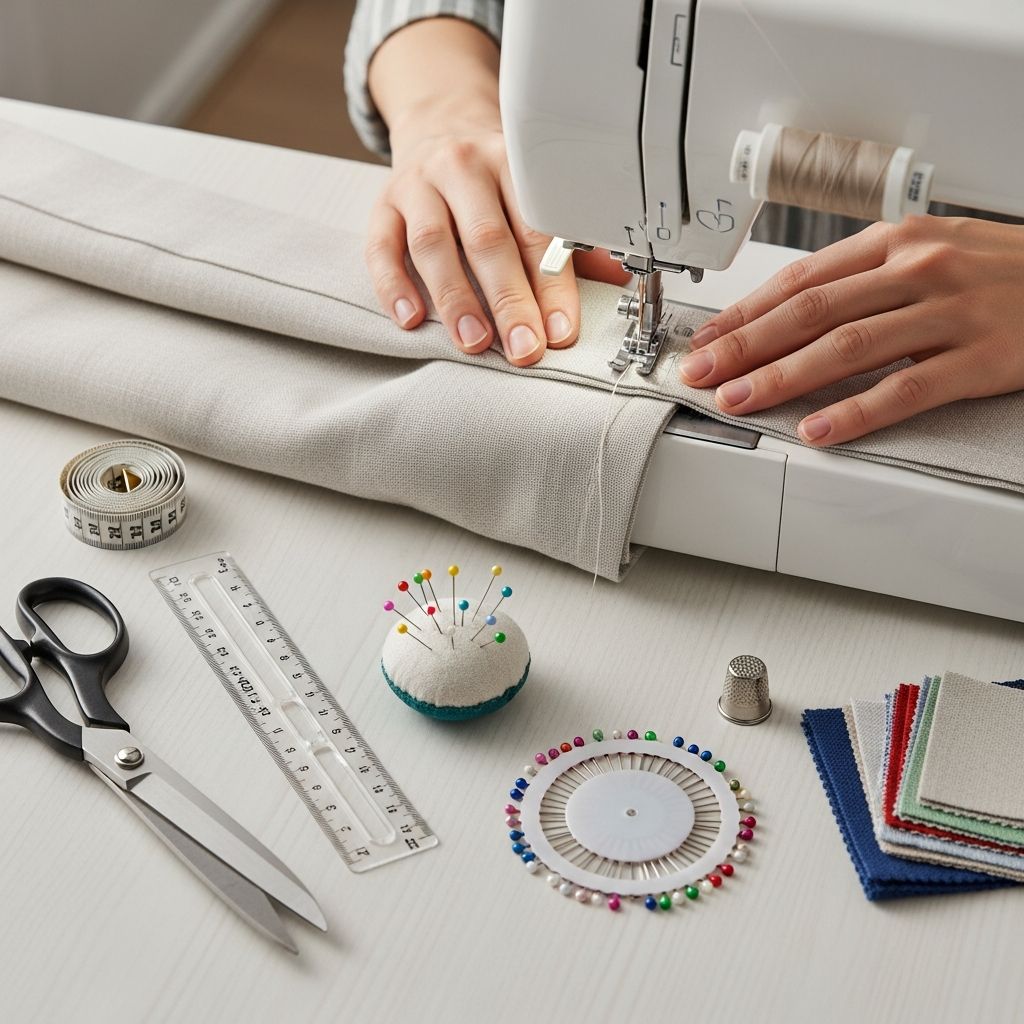
How to Make Your Own Curtains: A Complete DIY Sewing Guide
Making your own curtains is one of the most rewarding and cost-effective home improvement projects you can undertake. Whether you’re a beginner or an experienced sewist, creating custom curtains allows you to personalize your space while significantly reducing the expense of store-bought window treatments. Not only will you save money, but you’ll also have the satisfaction of creating something beautiful with your own hands. This comprehensive guide will walk you through every step of the curtain-making process, from initial measurements to the final touches.
Why Make Your Own Curtains?
Custom-made curtains offer numerous advantages over purchasing ready-made options. First and foremost, cost savings are substantial when you make curtains yourself. Store-bought curtains can be expensive, especially if you need multiple panels or high-quality fabrics. By sourcing your own materials, you can create multiple sets of curtains for a fraction of the retail price.
Additionally, making your own curtains gives you complete creative control over the design. You can choose fabrics that perfectly match your décor, select colors that complement your room, and customize the style to suit your aesthetic preferences. Whether you prefer modern minimalism, classic elegance, or bohemian flair, you can achieve exactly what you envision.
Finally, homemade curtains provide the opportunity to develop valuable sewing skills. Once you’ve mastered curtain-making, you’ll have the confidence to tackle other sewing projects, from pillows and placemats to bags and clothing.
Essential Materials You’ll Need
Before you begin your curtain-making project, gather the following materials to ensure you have everything necessary for success:
- Fabric: Choose from cotton, polyester, linen, velvet, voile, or other materials based on your desired look and light-filtering needs. The amount depends on your window measurements and desired fullness.
- Measuring Tape: A reliable measuring tape is essential for taking accurate window dimensions, which will determine the amount of fabric you need to purchase.
- Sewing Machine: While hand-sewing is possible, a sewing machine will make this project faster and create more durable seams. If you don’t own one, consider borrowing or renting for this project.
- Sewing Thread: Select thread that matches your fabric color to ensure seams blend seamlessly and don’t distract from your finished curtains.
- Fabric Scissors: Invest in quality fabric scissors specifically designed for cutting cloth. Using regular scissors can cause fabric to fray and compromise your project’s appearance.
- Straight Pins: Pins hold your fabric pieces in place while you sew, preventing shifting and ensuring accurate seams.
- Iron and Ironing Board: Pressing fabric creates clean creases and professional-looking hems, making this tool indispensable for quality results.
- Optional Items: Consider a fabric clapper for crisp creases, a seam gauge for consistent measurements, and marking chalk or pencils for layout planning.
Step 1: Measure Your Window Accurately
Accurate measurements are the foundation of successful curtain-making. Begin by measuring the length of your window from where the curtain rod will be installed to where you want the curtains to end. Measure from the top of the rod to just below the windowsill for a standard look, or extend the measurement further down for dramatic floor-length curtains.
Next, measure the width of your window opening. To determine how much fabric width you need, decide on your desired fullness. Most curtains require fabric that is one-and-a-half to three times wider than your window opening. For lightweight fabrics and casual styles, 1.5 times the window width works well. For heavier fabrics or more formal, gathered appearances, use two to three times the window width.
Write down both measurements clearly, as you’ll reference them when cutting your fabric and calculating yardage needs.
Step 2: Calculate Fabric Requirements and Cut
Once you have your window dimensions, it’s time to calculate exactly how much fabric to purchase. Add eight inches to your length measurement to account for seam allowance—four inches at the top for the rod pocket and four inches at the bottom for the hem. This extra fabric is crucial for achieving professional results.
For the width, multiply your window width by your desired fullness factor (typically 1.5 to 3). Purchase fabric accordingly, keeping in mind that you may need to account for pattern repeats if you’ve selected patterned fabric.
Before cutting, examine your fabric for any defects. If you’re using patterned fabric, plan your cuts to ensure pattern alignment. Lay your fabric on a large, flat surface and carefully cut along your marked lines using sharp fabric scissors. Take your time with this step, as clean cuts result in better-fitting seams.
Step 3: Prepare the Side Hems
Starting with the sides of your curtains, you’ll create a professional finished edge that prevents fraying and looks polished. Follow these steps:
- Fold the fabric inward by half an inch along one side, with the fold facing the wrong side of the fabric.
- Press this fold with your iron to create a crisp crease. If you have a fabric clapper, use it after pressing for an especially sharp crease.
- Fold the fabric under again, this time by another half inch to one inch, and press again.
- Pin the fold down using straight pins, spacing them about 2-3 inches apart to prevent the fabric from shifting while sewing.
- At your sewing machine, stitch closely along the folded edge using a stitch length of 2.5 to 3.0. Use your seam allowance guide to keep the stitching straight and consistent.
- Remove the pins as you sew, and repeat this entire process on the other side of the curtain.
The double-fold hem you’ve created is both functional and attractive, providing a finished appearance that looks store-bought.
Step 4: Create the Bottom Hem
The bottom hem is slightly deeper than the side hems, and this extra weight serves an important purpose—it helps your curtains hang properly and creates a more elegant drape. Here’s how to create the bottom hem:
- Fold the bottom edge of your fabric under by three to four inches, depending on the weight of your fabric. Heavier fabrics benefit from deeper hems.
- Press this fold carefully with your iron.
- Fold the edge over another three to four inches and press again.
- Pin along the entire folded edge to secure it in place.
- Stitch closely along the folded edge using the same technique you used for the side hems, maintaining consistent seam allowance.
A substantial hem prevents your curtains from appearing flimsy and enhances their overall appearance.
Step 5: Construct the Curtain Rod Pocket
The curtain rod pocket is the channel through which your rod slides. Creating this pocket requires careful measurement and pressing to ensure your rod fits smoothly:
- Mark your pressing line with chalk approximately five inches from the top of your curtain to leave adequate space for the rod pocket.
- Fold the top of the fabric under toward the wrong side and press.
- Fold the edge over another five inches and press thoroughly to create a clear crease.
- Pin this fold in place along the entire width of the curtain.
- Stitch closely along the folded edge, stitching from the left side to the right side of the curtain.
For a more elegant finish, consider alternative hanging methods such as grommet tops, which use metal rings that slide onto the rod and create a modern appearance, or fabric ties that loop over the rod for a casual, relaxed look.
Step 6: Add Decorative Details (Optional Grommet Installation)
If you’ve chosen to create grommet-style curtains, follow these steps to install the grommets professionally:
- Mark the grommet positions on the top of your curtain using chalk. Space them approximately 2.5 inches from the top edge and from each other, with about nine inches between each grommet for typical-width curtains.
- Use the template provided with your grommet kit to trace circles at each marked position.
- Carefully cut out the holes using sharp scissors or a craft knife, being precise to ensure proper grommet fit.
- Position the bottom piece of the grommet (the piece with the raised center) in the hole from the right side of the fabric.
- Place the top half of the grommet over the center piece from the opposite side.
- Press down firmly by hand or use a grommet setter tool to secure the two pieces together.
Grommets create a contemporary look and allow easy movement along the rod.
Step 7: Final Pressing and Installation
Before hanging your new curtains, give them a thorough pressing with your iron to remove any wrinkles and create a crisp, professional appearance. Pay special attention to seams and hems, pressing from the back side first to avoid creating shine on the fabric.
Slide your finished curtains onto the curtain rod, spacing them evenly and adjusting the gathers or pleats to create your desired fullness. Step back and admire your work—you’ve just created beautiful, custom curtains that enhance your home’s décor while saving significant money compared to store-bought alternatives.
Tips for Success
- Test First: If you’re new to sewing, practice your stitches on fabric scraps before beginning on your actual curtain fabric.
- Use the Right Needle: For heavier fabrics like home décor weight cotton or linen, use a #14 denim or upholstery needle that can handle thicker material without breaking.
- Invest in Quality Tools: Sharp fabric scissors, a reliable measuring tape, and a good iron make the project significantly easier and yield better results.
- Press Frequently: Pressing as you work creates crisp creases and helps you stay organized throughout the project.
- Use Seam Guides: Most sewing machines have seam allowance guides on the throat plate. Use these to maintain consistent seam width without constantly monitoring the needle.
- Don’t Rush the Measuring: Taking extra time to measure accurately prevents costly mistakes later in the project.
- Consider Fabric Weight: Lighter fabrics work well for sheer curtains, while heavier fabrics are better for privacy and insulation.
Frequently Asked Questions
Q: Can I make curtains without a sewing machine?
A: Yes, you can hand-sew curtains using a needle and thread, though the process will take longer and require more patience. Machine-sewn seams are generally more durable and secure, but hand-sewing is possible for smaller projects or if you enjoy hand-stitching.
Q: How much fabric do I really need?
A: This depends on your window size and desired fullness. As a general rule, purchase fabric that is 1.5 to 3 times your window width. For length, add 8 inches to your window length to account for hems and rod pocket. Measure carefully to avoid purchasing insufficient fabric.
Q: What type of fabric is best for curtains?
A: Cotton is affordable and versatile, polyester is durable and wrinkle-resistant, linen offers a natural aesthetic, and velvet provides luxury and light-blocking properties. Choose based on your desired look, budget, and functional needs like light filtering or privacy.
Q: How do I prevent fabric from fraying?
A: Use sharp fabric scissors for clean cuts, and apply a seam finish like a zigzag stitch along raw edges if desired. The hemming process itself largely prevents fraying by folding and stitching edges.
Q: Can I make no-sew curtains?
A: Yes, no-sew curtains can be created using fabric adhesive or fusible tape, which bond fabric layers together without stitching. However, these methods may be less durable than sewn seams for frequently-used curtains.
Q: How long does it take to make a pair of curtains?
A: For beginners, expect 2-4 hours per pair. Experienced sewists can complete a pair in 1-2 hours. The time varies based on curtain style, fabric type, and whether you’re adding decorative details like grommets.
References
- How to Sew DIY Curtains at Home — MasterClass. 2026. https://www.masterclass.com/articles/how-to-make-curtains
- How to Sew Curtains: Easy Grommet Style — YouTube/Angela Wolf. https://www.youtube.com/watch?v=rxEUj_dJWps
- Learn How To Make Curtains – The Easy Way — YouTube/Cheryl’s Sewing Room. https://www.youtube.com/watch?v=WKaf8wDDvTA
- 10 Home DIY Projects You Can Do in One Day — Wise Bread. https://www.wisebread.com/10-home-diy-projects-you-can-do-in-one-day
- 7 DIY Crafts That Will Save You Money — Wise Bread. https://www.wisebread.com/7-diy-crafts-that-will-save-you-money
Similar Articles







Read full bio of Sneha Tete