How to Make Payments and Bank Anonymously
Learn secure methods to maintain financial privacy with anonymous payments and banking solutions.
How to Make Payments and Bank Anonymously: A Comprehensive Guide
In an increasingly digital world, financial privacy has become a growing concern for many individuals. Whether you’re concerned about data breaches, identity theft, or simply prefer to keep your financial transactions private, understanding the various methods available for anonymous payments and banking is essential. This guide explores practical and legitimate strategies to maintain financial privacy while conducting everyday transactions and managing your banking needs.
Understanding Anonymous Payments and Banking
Anonymous payments and banking refer to financial transactions and account management that protect your identity and personal information from being disclosed to merchants, financial institutions, or third parties. These methods allow you to conduct business while minimizing the data trail associated with your financial activities.
The distinction between complete anonymity and semi-anonymity is important. Complete anonymity means no personal information is shared at all, while semi-anonymity involves hiding your identity from merchants but not necessarily from the payment platform itself. Understanding this difference helps you choose the right method for your specific needs.
Cash: The Ultimate Anonymous Payment Method
When it comes to absolute anonymity, nothing surpasses physical cash. Cash requires no personal information, no account registration, and leaves no digital trail. Every transaction conducted in cash remains completely detached from your identity.
For online purchases, cash-by-mail services offer a practical alternative. This method allows you to pay for goods and services by sending cash through the mail, eliminating the need for credit cards, bank accounts, or any personal identification. While this approach requires more time and effort, it provides genuine anonymity for online transactions.
The primary limitations of cash include security concerns when carrying large amounts, difficulty with international transactions, and the growing trend toward digital payment systems that may limit where cash is accepted.
Cryptocurrency: Decentralized Anonymous Transactions
Cryptocurrency represents a modern approach to anonymous payments. Cryptocurrencies are decentralized digital currencies that operate without a central authority, offering users greater control over their financial transactions.
Bitcoin and other cryptocurrencies provide varying levels of anonymity depending on how they’re used. While blockchain transactions are often considered private, they aren’t completely anonymous—all transactions are recorded on a public ledger. However, cryptocurrencies don’t require personal identification to conduct transactions, making them significantly more private than traditional payment methods.
For merchants accepting cryptocurrency payments, platforms like Flash offer a decentralized software layer that allows businesses to accept Bitcoin directly, wallet-to-wallet, without intermediaries touching the funds. This non-custodial model eliminates intermediary risk and simplifies compliance for businesses prioritizing anonymity.
Advantages of cryptocurrency include:
- No personal information required for transactions
- Reduced intermediary oversight
- Fast international transactions
- Lower transaction fees compared to traditional methods
However, cryptocurrency also presents challenges such as price volatility, limited merchant acceptance, and the need for technical knowledge to use securely.
Prepaid Debit Cards and Gift Cards
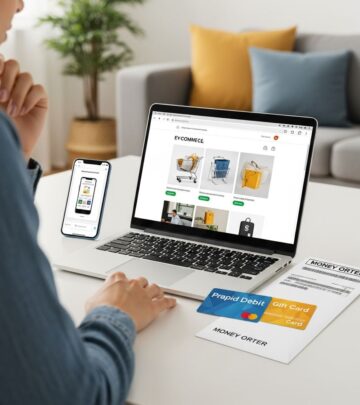
Prepaid debit cards and gift cards offer a practical middle ground between complete anonymity and traditional banking. These cards aren’t issued in your name and can be loaded with cash at retail locations without providing personal information.
The key advantage of prepaid cards is that even if a hacker compromises your card data, losses are limited to the card’s balance rather than your entire bank account. You can use prepaid cards anywhere the major payment networks are accepted, providing flexibility and convenience.
When purchasing prepaid cards:
- Use cash to buy cards at retail locations
- Avoid registering the card with personal information if possible
- Be aware that some transactions may still require verification
- Monitor your balance regularly for unauthorized charges
Virtual Payment Cards
Virtual payment cards represent innovative tools for maintaining payment privacy online. Services like Privacy.com generate unique card numbers for each transaction, preventing merchants from accessing your actual credit or debit card details.
Virtual cards operate through browser extensions or dedicated applications that create disposable card numbers linked to your actual account. When you make a purchase, the merchant receives only the virtual number, leaving your real card information secure.
Benefits of virtual cards include:
- Protection against fraud and unauthorized charges
- Prevention of recurring unwanted charges
- Ability to set spending limits on individual transactions
- Compatibility with most online merchants
- Quick and easy card number generation
Google Wallet and similar services offer additional privacy by generating unique virtual card numbers for different merchants, further compartmentalizing your financial information.
Mobile Payment Apps with Privacy Features
Cash App
Cash App has evolved into a versatile financial tool offering significant transactional privacy. The platform enables users to send and receive money using unique usernames called “$Cashtags,” allowing transactions without sharing your legal name or banking details.
Key Cash App privacy features:
- $Cashtag Payments: Your public identifier keeps your legal name private during transactions
- Bitcoin Integration: Buy, sell, and transfer Bitcoin directly within the app
- Cash Card: A customizable Visa debit card linked to your Cash App balance for in-store and online purchases
- Limited personal data sharing with merchants
Venmo
While not inherently anonymous, Venmo offers robust privacy controls for those seeking transaction privacy. Users can set their transactions to “Public,” “Friends,” or “Private,” with the private setting ensuring only sender and recipient can view payment details.
Venmo is designed primarily for peer-to-peer transactions between friends and family. The platform allows you to use a username during transactions rather than displaying your full legal name. Additionally, Venmo offers a debit card linked to your balance for in-store and online purchases.
Important considerations for Venmo:
- Requires linking a bank account or debit card
- Privacy settings must be manually adjusted
- Not fully anonymous from the platform itself
- Accounts may be frozen for security reviews
- Wide merchant acceptance
PayPal
PayPal offers options for creating pseudonyms and limiting information visible to merchants. While not completely anonymous, PayPal allows you to establish an account using an alias and conduct transactions where merchants only see your pseudonym rather than your real name.
The platform provides a layer of identity protection from sellers while maintaining records for regulatory purposes. You can link virtual payment cards to your PayPal account for additional privacy protection.
Paysafecard: Full Anonymity for Online Payments
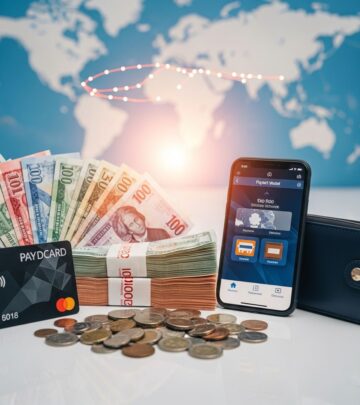
Paysafecard provides a powerful way to pay online without linking a bank account or credit card, operating on a prepaid voucher system. Users purchase physical or digital vouchers with a 16-digit PIN, and these vouchers can be bought with cash at retail locations.
This method offers complete anonymity for online transactions because:
- No personal or banking information required
- Vouchers purchased with cash disconnect online payments from personal identity
- No account registration necessary
- Widespread merchant acceptance online
- No link to your name or address
Paysafecard stands out as one of the most effective options for those prioritizing true transactional privacy.
Identity Masking and Privacy Services
For those seeking additional layers of privacy, identity masking services provide complete fake identities for online transactions. Services like Surfshark Alternative ID generate fake email addresses, names, and phone numbers to hide your identity from merchants.
While these services can enhance privacy, users should note that providing false information to create accounts may violate terms of service agreements. Additionally, many platforms require identity verification before conducting significant transactions, which may prevent the use of fake identities.
Identity masking services work best for:
- Creating accounts on new platforms
- Protecting against data breaches
- Preventing targeted marketing
- Initial account verification
Anonymous Banking Solutions
Beyond payment methods, anonymous banking options exist for those seeking to maintain privacy in their banking relationships. Anonymous offshore banking involves using legal entities like foundations or companies to keep your name off transactions while structuring assets for privacy.
These sophisticated solutions typically involve:
- Establishing legal entities in privacy-friendly jurisdictions
- Using trusts or companies to hold assets
- Working with specialized financial advisors
- Maintaining proper legal compliance
It’s crucial to understand that anonymous banking must comply with local and international financial regulations. While privacy is legitimate, attempting to hide income for tax evasion purposes is illegal.
Comparison of Anonymous Payment Methods
| Payment Method | Anonymity Level | Ease of Use | Best For | Key Advantages |
|---|---|---|---|---|
| Cash | Complete | Very Easy | In-person purchases | No data trail, universally accepted |
| Cryptocurrency | High | Moderate | Online transactions, merchants accepting crypto | Decentralized, fast, low fees |
| Paysafecard | Complete | Easy | Online purchases | No bank/card needed, widespread acceptance |
| Prepaid Cards | High | Very Easy | Retail and online shopping | Cash-funded, limited liability |
| Virtual Cards | High | Easy | Online shopping, fraud prevention | Unique numbers per transaction |
| Cash App | Semi-Anonymous | Very Easy | P2P payments, US/UK users | $Cashtag privacy, Bitcoin integration |
| Venmo | Semi-Anonymous | Very Easy | Friend/family payments | Wide acceptance, social features |
Practical Tips for Maintaining Financial Privacy
To maximize your financial privacy while making payments, implement these practical strategies:
- Mix payment methods: Avoid using the same payment method for all transactions to prevent pattern recognition
- Use separate accounts: Create dedicated accounts for different purposes to compartmentalize information
- Enable privacy settings: Always set transactions to private on platforms that offer this option
- Use virtual card numbers: Generate unique numbers for each transaction when possible
- Avoid data collection: Skip optional registration steps that collect unnecessary personal information
- Monitor accounts regularly: Check all accounts frequently for unauthorized activity
- Update passwords frequently: Use strong, unique passwords for each financial account
- Verify SSL connections: Ensure websites use HTTPS before entering payment information
- Use VPNs for online shopping: Encrypt your internet connection when making online purchases
Legal Considerations and Compliance
While maintaining financial privacy is legal and legitimate, it’s essential to understand that regulatory requirements exist for good reasons. Financial institutions and payment platforms must comply with anti-money laundering (AML) and know-your-customer (KYC) regulations.
When using anonymous payment methods, remember:
- All income must be properly reported for tax purposes
- Financial privacy is different from tax evasion or fraud
- Large cash transactions may trigger reporting requirements
- Cryptocurrency holdings may have tax implications
- Using false information to circumvent regulations is illegal
Consult with financial advisors or tax professionals if you have questions about the legal implications of your specific situation.
Frequently Asked Questions
Q: Is it legal to use anonymous payment methods?
A: Yes, using anonymous payment methods for legitimate purposes is legal. However, you must still comply with tax laws and financial regulations. Attempting to hide income for tax evasion purposes is illegal.
Q: Which payment method offers the most anonymity?
A: Cash provides complete anonymity, followed by Paysafecard when purchased with cash. For online transactions where cash isn’t practical, cryptocurrency and prepaid cards offer high anonymity levels.
Q: Can I open a completely anonymous bank account?
A: Traditional banks require identity verification due to regulatory requirements. However, anonymous offshore banking options exist through legal entities, though these require proper compliance with international financial regulations.
Q: Are virtual cards as secure as regular credit cards?
A: Yes, virtual cards often provide enhanced security because merchants only receive a unique number rather than your actual card details. You can also set spending limits and disable cards immediately after a transaction.
Q: Can I use multiple payment methods for a single purchase?
A: This depends on the merchant. Some retailers allow split payments, but most require a single payment method. Using multiple methods is easier with online retailers that accept various payment options.
Q: Do cryptocurrency transactions leave any trace?
A: Cryptocurrency transactions are recorded on a public blockchain, but they don’t inherently contain personal information. However, exchanges and wallets may require identity verification when converting between cryptocurrencies and traditional currency.
Q: How can I protect my prepaid card from theft or fraud?
A: Treat prepaid cards like cash. Keep them secure, monitor your balance regularly, report lost or stolen cards immediately, and avoid sharing your PIN or card number with anyone.
Q: Is PayPal fully anonymous?
A: No, PayPal requires identity verification and maintains records of all transactions. However, you can use a pseudonym for displayed transactions to merchants, providing partial anonymity.
References
- Anonymous Payment Methods: A Guide for Businesses — Stripe. 2025. https://stripe.com/resources/more/anonymous-payment-methods-a-guide-for-businesses
- 7 Best Anonymous Payment Options for 2025 — Flash. 2025. https://paywithflash.com/anonymous-payment-options/
- Safe and Anonymous Online Payment Methods: 2025 Guide — ProPrivacy. 2025. https://proprivacy.com/privacy-service/guides/safe-anonymous-online-payment-methods
- 6 Best Anonymous Payment Methods in 2025: Full Guide — Safety Detectives. 2025. https://www.safetydetectives.com/blog/best-anonymous-payment-methods/
- Ultimate Guide to Private & Anonymous Payments in 2025 — CyberInsider. 2025. https://cyberinsider.com/private-anonymous-payment-methods/
- Anonymous Offshore Banking in 2025 — The Key Advisory. 2025. https://thekeyadvisory.com/anonymous-bank-account/
Similar Articles








Read full bio of medha deb