How To Make Moonshine: A Step-By-Step Safe Guide
Learn the simple, step-by-step process to make potent moonshine at home using basic ingredients and equipment, inspired by traditional methods.
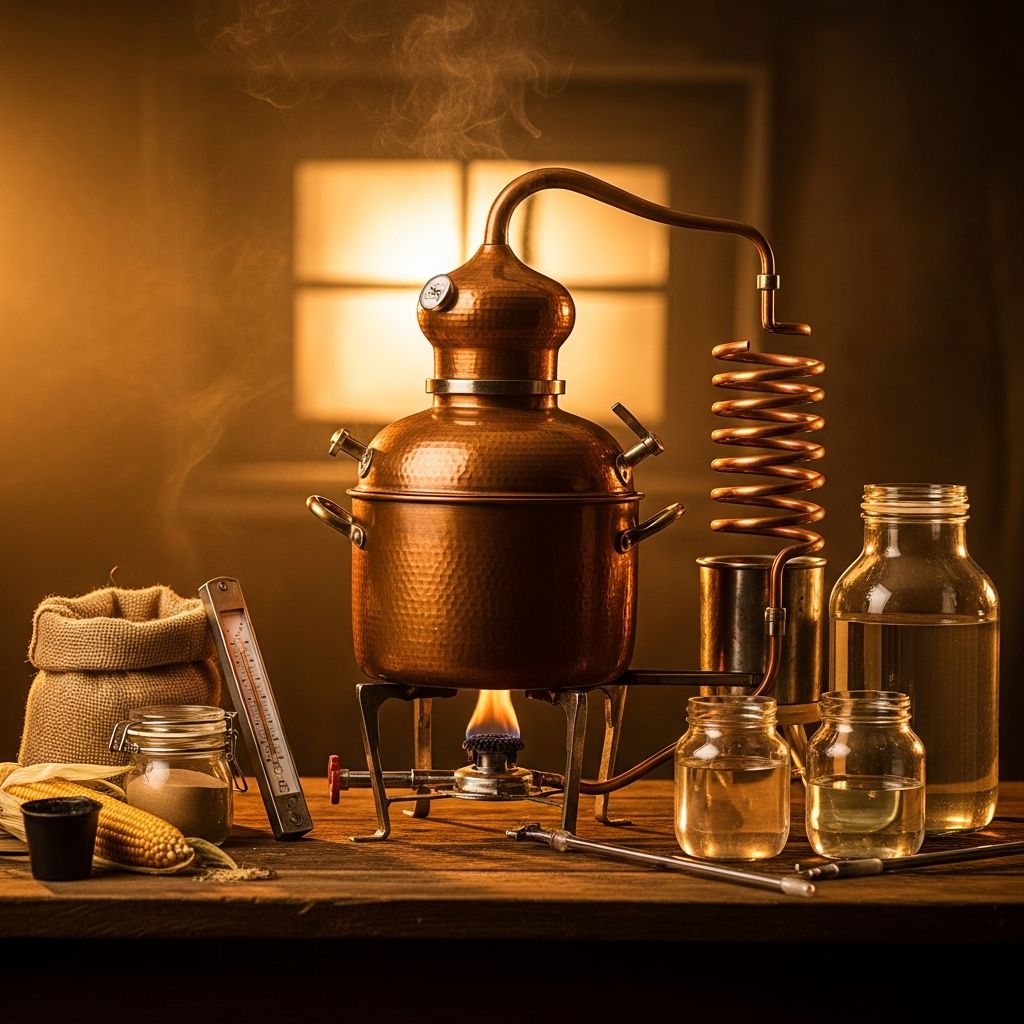
How to Make Moonshine
Making moonshine is a straightforward process that leverages the natural power of yeast to convert simple sugars into alcohol, followed by distillation to concentrate it into a potent spirit. Unlike beer or wine, which require careful flavor balancing, moonshine’s simplicity makes it accessible for beginners, focusing on high-proof output over complexity.
Why Moonshine is Easy to Make
At its core, producing moonshine boils down to fermentation and distillation. Yeast does the heavy lifting during fermentation, transforming sugars into alcohol and carbon dioxide. Distillation then purifies and strengthens the alcohol by evaporating and condensing it, stripping away many impurities and flavors that demand precision in other beverages. This makes moonshine forgiving—no need for perfect temperatures, adjuncts, or aging like in craft beers.
The process appeals to those seeking self-sufficiency, as highlighted in Dolly Freed’s Possum Living: How to Live Well Without a Job and (Almost) No Money. Freed emphasizes using the cheapest ingredients for maximum yield, turning minimal inputs into a valuable product.
Gathering Your Ingredients
The beauty of moonshine lies in its minimalism. Key ingredients include:
- Cheapest sugar available: White granulated sugar is reliable and affordable. Corn syrup can be even cheaper per fermentable unit, providing similar results.
- Yeast: Bakers’ yeast works fine for beginners, though distiller’s yeast yields higher alcohol content. Praise for yeast is well-deserved—they tirelessly convert sugars, sacrificing themselves for our enjoyment.
- Water: Clean, non-chlorinated water to avoid inhibiting yeast.
- Optional flavorings: Oak chips, fruits, or spices for post-distillation enhancement.
A basic 5-gallon batch might use 10-15 pounds of sugar, 1 packet of yeast, and enough water to reach 5 gallons. This yields a high-sugar wash aiming for 10-15% alcohol before distillation.
Preparing the Mash (Fermentation)
Dissolve sugar in hot water to create a syrup, then top up with cool water to pitching temperature (around 80-90°F for most yeasts). Add yeast and stir well. Seal in a food-grade bucket or carboy with an airlock to allow CO2 escape while preventing oxygen and contaminants.
Fermentation takes 10-25 days, depending on temperature (warmer speeds it up). Signs of completion:
- No more bubbles in airlock.
- Hydrometer reading stable at 0.990-1.000 specific gravity.
- Clear liquid with sediment at bottom (lees).
Average room temperature (70°F) completes a batch in 2 weeks. Rack (siphon) off sediment if desired for cleaner distillation, though not strictly necessary for moonshine.
Building or Acquiring a Still
Distillation requires a still: a pot for boiling, a column or swan neck for vapor rise, and a condenser for cooling vapors back to liquid. Types include:
| Still Type | Description | Best For |
|---|---|---|
| Pot Still | Simple boiler with lyne arm; single run retains flavors. | Flavored moonshines like brandy. |
| Reflux Still | Column with packing; multiple vapor condensations purify alcohol. | Clean, neutral spirit (vodka-like). |
DIY stills use copper pots, tubing, and buckets, but safety is paramount—use food-grade materials, avoid lead solder. Comments stress reflux stills strip impurities progressively: vapors rise, cool slightly, condense water/flavors that drip back, leaving purer alcohol.
The Distillation Process
Heat mash to 173-212°F (78-100°C). Alcohol vapors (lower boiling point) rise first:
- Foreshots: First 50-100ml/tailings—discard (contains methanol).
- Heads: Next portion—volatile compounds; collect separately or discard.
- Hearts: Main run, 80-95% alcohol; collect until proof drops.
- Tails: Watery, oily end—save for re-distillation.
Monitor with a thermometer and hydrometer. First run often yields 40-60% ABV; re-run for higher proof (up to 140).
Proofing and Diluting
Test proof with a hydrometer or flame (blue flame indicates high proof). Cut to desired strength (80-120 proof) with distilled water. High-proof moonshine (140+) is harsh; dilution improves drinkability.
Aging and Flavoring Your Moonshine
Raw moonshine tastes harsh. Enhance it:
- Oak aging: Add toasted/charred white oak chips or sawdust (1 cup per gallon). Shake daily for 2-4 weeks, filter. Mimics barrel aging.
- Fruit infusions: Peaches, apples, or berries for flavored variants. Ferment fruit separately or infuse post-distillation.
- Wild yeast alternative: Fruit skins (grapes best) harbor natural yeasts, though weaker (5-8% ABV). Crush kiwi/apples for experiments.
Combine hearts with leftover mash, dilute below 90 proof, age with oak for whiskey-like shine.
Safety Considerations
Distilling is illegal without permits in many places (federal crime in US; some countries impose death penalties). Risks include:
- Methanol: Minimal in proper runs; myths of blindness stem from denatured industrial alcohol, not proper distillation. Ethanol prioritizes metabolism, flushing trace methanol.
- Fire/explosion: Alcohol vapors flammable; ventilate, no open flames.
- Storage: Use glass; some plastics dissolve. Flame test: strong blue burn confirms >80 proof.
Nothing grows in high-proof shine if properly made—it’s disinfectant-strength.
Common Mistakes and Tips
- Ferment too cool: Stalls yeast—warm to 70-80°F.
- No heads cut: Harsh fusel oils.
- Overproof: Burns throat; always dilute.
- Wild yeast fails: Supplement with bakers’ yeast for strength.
Comments note bootlegger shine often lacks skill; elevate with artistry like proper cuts, aging.
Frequently Asked Questions (FAQs)
Q: Is moonshine safe to drink?
A: Yes, if distilled properly by discarding foreshots/heads. Dangers arise from adulteration or poor technique, not inherent process.
Q: Can I use wild yeast from fruit?
A: Yes, but expect lower ABV (e.g., from grapes, apples). Add commercial yeast for stronger results.
Q: What’s the best sugar?
A: Cheapest available—white sugar or corn syrup for cost-efficiency.
Q: How do I know fermentation is done?
A: No airlock activity, stable hydrometer (under 1.000 SG), 10-25 days.
Q: Pot vs. reflux still?
A: Pot for flavor retention; reflux for purity/high proof in one run.
Advanced Variations
Experiment with brandy (fruit mash), vodka (reflux neutral), or whiskey (corn/sugar mash aged oak). Peach moonshine infuses flavor post-run. Re-run tails for efficiency. Honey substitutes corn syrup successfully.
Scaling up: 100lbs berries challenging; stick to sugar for winter reliability.
This guide preserves traditional knowledge, encouraging skill-building for quality over crude runs.
References
- TTB Basic Distilled Spirits Regulations — Alcohol and Tobacco Tax and Trade Bureau (TTB), U.S. Department of Treasury. 2023-01-15. https://www.ttb.gov/distilled-spirits
- Alcohol Laws by Country — World Health Organization (WHO). 2024-06-01. https://www.who.int/data/gho/data/themes/topics/global-information-system-on-alcohol-and-health
- Methanol Poisoning and Ethanol Metabolism — Centers for Disease Control and Prevention (CDC). 2022-11-10. https://www.cdc.gov/niosh/topics/methanol/default.html
- Home Distillation Safety Guidelines — U.S. Food and Drug Administration (FDA). 2023-05-20. https://www.fda.gov/food/chemical-contaminants-food/questions-and-answers-methanol-food-and-beverages
- Yeast Fermentation in Distilling — American Society of Brewing Chemists (ASBC). 2024-02-14. https://www.asbcnet.org
Similar Articles








Read full bio of Sneha Tete