How To Make Money In Fashion: 7 Practical Paths
Discover practical, creative ways to turn your love for fashion into real, sustainable income.
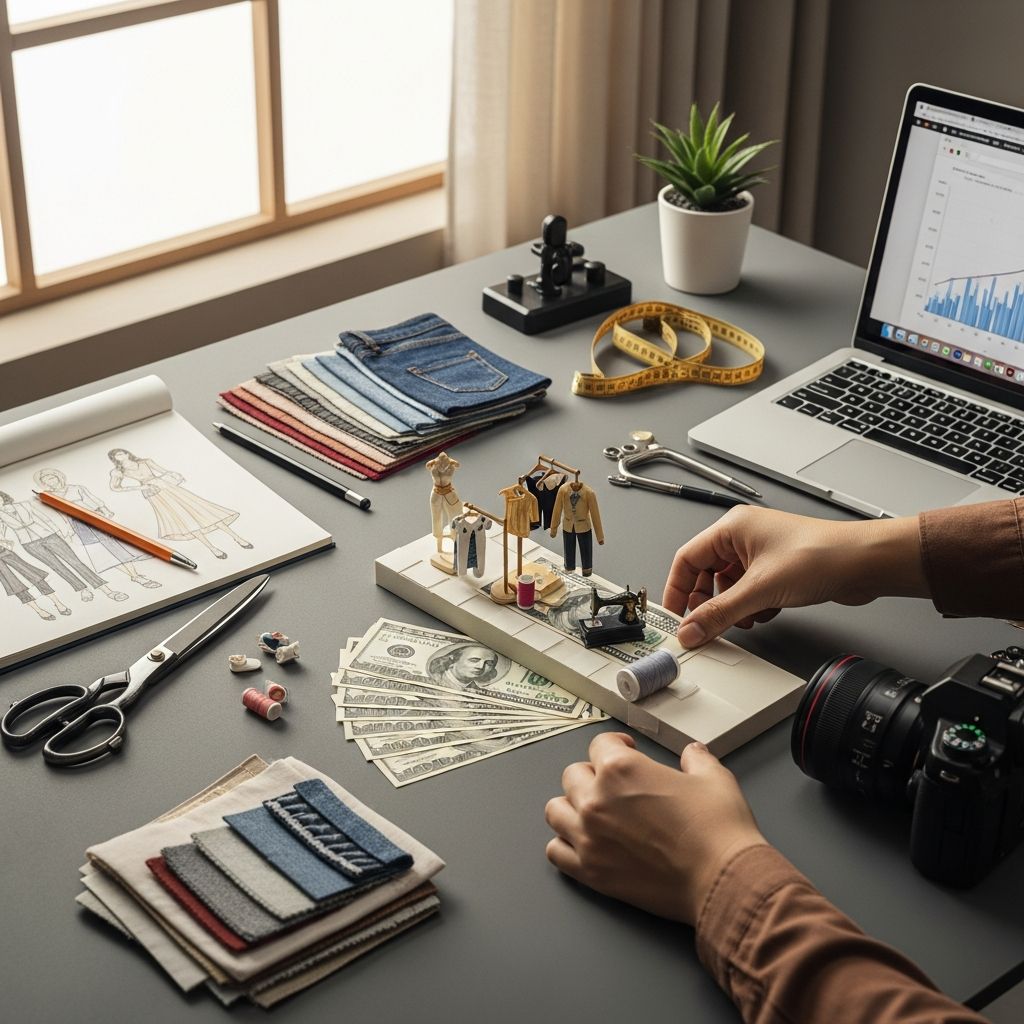
Do people constantly ask for your style advice? Are you the friend who always knows the latest trends and how to wear them? If you love clothing, design, and creativity, there are many ways to learn how to make money in fashion—whether as a full-time career or a flexible side hustle.
The global fashion market is huge, and it spans everything from luxury labels and fast fashion to secondhand resale, content creation, and sustainable brands. That means there is room for many different skills and personalities, not just designers on the runway or influencers with millions of followers.
This guide walks you through 7 realistic ways to make money in fashion, plus tips on skills, earning potential, and how to get started, even if you are a beginner.
Cool Ideas For How To Make Money In Fashion
The fashion industry is a broad ecosystem that includes:
- Creative roles like designers, stylists, and photographers
- Business-focused roles like buyers, merchandisers, and sales associates
- Media and marketing roles like bloggers, influencers, and PR professionals
- Technical roles like pattern makers and textile developers
According to research on the sustainability shift, the sustainable fashion segment is expected to grow significantly and could overtake fast fashion growth in the long run as consumers demand more ethical and environmentally responsible products. This shift creates new opportunities for people who care about both style and impact.
Below are seven accessible ways to turn your passion for style into income, along with ideas for combining several of them into your own unique fashion career or side hustle.
1. Become A Fashion Designer
One of the most classic ways to make money in fashion is to become a fashion designer. Designers create the clothes, shoes, and accessories that end up in stores, online shops, magazines, and on runways.
What Fashion Designers Do
- Research trends, fabrics, and consumer preferences
- Sketch designs by hand or using computer-aided design (CAD) tools
- Select fabrics, trims, and color palettes for collections
- Work with pattern makers and sample makers
- Oversee fit sessions and adjust designs
- Present collections to buyers or show them on the runway
Education And Skills You May Need
While there are self-taught designers, many people start with a formal education such as:
- Associate or bachelor’s degree in fashion design, apparel design, or fashion merchandising
- Courses in textiles, pattern making, draping, and CAD software
- Internships with brands, fashion houses, or retailers
Key skills include creativity, drawing, understanding fit and construction, and basic business knowledge so you can communicate with production, buyers, and marketers.
How Fashion Designers Make Money
- Working as in-house designers for brands or retailers
- Designing for private labels or wholesalers
- Launching your own clothing line or capsule collections
- Freelancing for multiple brands at once
Income varies widely depending on role, location, and brand level. In the U.S., median pay data for fashion designers show significant differences between entry-level and experienced designers, and between mass-market and high-end employers.
Practical Tips To Get Started
- Build a small portfolio of 6–10 strong looks rather than many unfinished ideas.
- Participate in student shows, competitions, or online showcases.
- Document your work on a simple website or portfolio platform.
- Start small: test designs by selling limited pieces through online marketplaces or social media.
2. Get Into Fashion Photography
If you love visuals, storytelling, and working behind the camera, fashion photography can be an exciting way to earn money in the industry. Fashion photography helps brands sell their ideas, not just their clothes, by creating aspirational imagery for campaigns, lookbooks, and social media.
Types Of Fashion Photography Work
- Editorial shoots for magazines and online publications
- Lookbooks and catalog photography for brands
- Campaigns and advertising images
- Street style and event coverage
- Content for bloggers, influencers, and e-commerce shops
Essential Skills And Tools
- Solid understanding of photography basics: exposure, composition, lighting
- Ability to direct models and communicate with creative teams
- Strong post-production skills in editing software like Lightroom or Photoshop
- Knowledge of current fashion imagery trends and references
Many fashion photographers work as freelancers, building client lists over time. While there is no single required degree, formal training or workshops in photography and digital imaging can speed up your learning curve.
How Fashion Photographers Make Money
- Per-day or per-project fees for shoots
- Usage fees or licensing for images
- Retainer work for recurring clients like brands or magazines
- Teaching workshops or selling online courses
Tips To Break Into Fashion Photography
- Start by testing with local models, makeup artists, and stylists who are also building portfolios.
- Share your best work on a professional website and social platforms.
- Offer discounted or portfolio rates to small boutiques or designers.
- Network at local fashion shows, markets, and creative meetups.
3. Work On Sales Commission In Retail Or Luxury Fashion
If you are outgoing and enjoy working directly with people, retail and luxury fashion sales can be a practical way to earn money and get insider experience with brands.
What Commission-Based Sales Roles Look Like
- Helping customers choose pieces and complete outfits
- Explaining product features, fit, and care
- Meeting personal or team sales goals
- Staying updated on new arrivals and brand stories
Luxury retail often uses a mix of base pay plus commission, meaning your income can increase as your sales performance improves. In mass-market retail, commission structures vary by company and store type.
Skills That Help You Succeed
- Strong communication and customer service
- Ability to build relationships and remember repeat clients
- Persuasion and product knowledge
- Professional presentation and reliability
Why Commission Sales Is A Smart Entry Point
- Gives you direct exposure to how customers really shop
- Teaches sales, which is valuable in almost every fashion career
- Can lead to roles in store management, buying, or merchandising
- Flexible hours that can fit around school or another job
4. Work In Fashion PR And Marketing
Fashion public relations (PR) and marketing roles focus on shaping how the public sees a brand. If you love writing, events, social media, and communication, this can be a high-impact way to work in fashion without designing clothes yourself.
Typical PR And Marketing Tasks
- Pitching stories to journalists and editors
- Organizing press days, launch events, and fashion shows
- Managing influencer partnerships and gifting
- Writing press releases, newsletters, and social media captions
- Tracking media coverage and campaign performance
Modern fashion marketing is increasingly digital-first, with major emphasis on social media, e-commerce content, and influencer campaigns.
How PR And Marketing Pros Make Money
- Salaried roles at brands, agencies, or retailers
- Freelance PR consulting for independent designers
- Brand strategy and content creation retainers
How To Break In
- Study marketing, communications, or a related field.
- Intern with PR agencies, lifestyle brands, or magazines.
- Create a portfolio that includes writing samples, social media campaigns, or event work.
- Offer to help small brands with press outreach or basic social media in exchange for experience.
5. Start A Fashion Blog Or YouTube Channel
If you enjoy teaching, sharing your personal style, or analyzing trends, starting a fashion blog or YouTube channel is a powerful way to build both an audience and income over time.
Content Ideas You Can Create
- Outfit-of-the-day (OOTD) posts and styling tips
- How-to guides on building a capsule wardrobe or dressing for certain body types
- Thrift flips, upcycling, and sustainable fashion content
- Trend analysis and fashion week recaps
- Budget fashion hauls and honest reviews
Ways Bloggers And Creators Earn Money
| Income Stream | How It Works |
|---|---|
| Affiliate marketing | Earn a commission when readers buy through your tracked links. |
| Sponsored content | Brands pay you to feature their products in posts or videos. |
| Ads | Display ads on your blog or video ads on your channel. |
| Digital products | Sell style guides, presets, or mini-courses to your audience. |
| Merchandise | Offer branded apparel, accessories, or printable planners. |
Tips To Grow A Fashion Platform
- Pick a clear niche (e.g., workwear on a budget, modest fashion, plus-size style, sustainable fashion).
- Post consistently with quality photos or videos and helpful, searchable titles.
- Promote your content on multiple platforms like Pinterest, Instagram, and TikTok.
- Focus on building trust by sharing honest opinions and not promoting items you would not personally wear.
6. Become A Fashion Consultant Or Personal Stylist
If your friends already come to you when they need help picking an outfit, consider becoming a fashion consultant or personal stylist. This role is all about helping clients build confidence through clothes that work for their lifestyle and goals.
What Fashion Consultants Do
- Assess clients’ body shapes, lifestyles, and style preferences
- Edit closets and identify gaps or outdated pieces
- Create outfit combinations from existing wardrobes
- Shop with or for clients to update their wardrobe
- Prepare looks for special events, work, or media appearances
How Fashion Consultants Make Money
- Charging hourly or per-session fees for closet edits and styling sessions
- Offering packages (e.g., “wardrobe refresh,” “event styling,” or “seasonal update”)
- Providing virtual styling services via video call and digital lookbooks
- Earning affiliate commissions on items clients purchase through your links
Rates vary by location, experience, and client base. Some stylists work with everyday professionals, while others specialize in high-profile clients such as executives, creators, or public figures.
Steps To Start A Styling Business
- Define your ideal client (busy professionals, new moms, on-camera talent, etc.).
- Develop a clear process: intake questionnaire, wardrobe audit, shopping, and follow-up.
- Show before-and-after examples (with permission) or style boards to build credibility.
- Offer discounted first sessions to build testimonials and word-of-mouth.
7. Become A Style Influencer
Style influencers use platforms like Instagram, TikTok, and YouTube to share outfits, trends, and shopping tips with an engaged audience. Over time, this influence can translate into multiple income streams.
Where Style Influencers Show Up
- Instagram for photos, Reels, and Stories
- TikTok for short-form styling videos and trend commentary
- YouTube for longer hauls, lookbooks, and vlogs
- Blogs or newsletters for deeper guides and shoppable content
How Fashion Influencers Make Money
- Sponsored posts and brand partnerships
- Affiliate links to clothing, beauty, and accessories
- Reselling clothing they no longer need on resale platforms or dedicated accounts
- Live events or live sales, including virtual closet sales or styling sessions
- Product lines or collaborations with fashion and beauty brands
Tips To Build Influence Sustainably
- Choose a recognizable visual style and stick to it.
- Post consistently and interact with your community in comments and DMs.
- Be transparent about sponsorships and follow platform advertising rules.
- Prioritize mental health and boundaries; treat it like a business, not just a hobby.
Bringing It All Together: Mix And Match Fashion Income Streams
You do not have to choose just one path. Many people in the fashion industry combine several roles to create a resilient, flexible income—especially when they are just starting out.
Example Combinations
- Designer + Blogger: Sell small collections while sharing behind-the-scenes design content.
- Photographer + Influencer: Shoot campaigns for brands and also appear in your own content.
- Retail Sales + Stylist: Work in a boutique while building a private styling client list.
- PR Professional + Consultant: Manage brand communications by day and advise independent designers on the side.
As you gain experience, you can shift toward the roles and business models that suit your energy, financial goals, and long-term lifestyle vision.
Frequently Asked Questions (FAQs)
Q: Do I need a fashion degree to make money in fashion?
A: Not always. While some roles like technical design or certain corporate positions may prefer or require formal education, many people build fashion careers through self-teaching, short courses, online programs, and hands-on experience. Internships, entry-level retail or showroom jobs, and a strong portfolio can open doors even without a traditional degree.
Q: How much money can I realistically make in fashion?
A: Income varies widely depending on your role, location, and experience. Corporate jobs (like design or marketing at established brands) usually offer stable salaries. Freelance and influencer work can be unpredictable but may scale higher if you grow a strong client base or audience. Research typical salary ranges for your specific path and location using official labor statistics.
Q: How can I start making money in fashion with no experience?
A: Begin with roles that require more enthusiasm than credentials, like retail sales, assisting on photo shoots, or helping small local brands with social media. Use these opportunities to build hard skills, contacts, and a portfolio. Document your work online so future employers and clients can see your growth.
Q: Is the fashion industry too competitive?
A: Fashion is competitive, but it is also large and constantly evolving. Instead of trying to appeal to everyone, focus on a niche—such as sustainable fashion, plus-size workwear, vintage, or modest fashion. Specializing can make it easier for the right clients and brands to find you.
Q: How do I avoid going into debt while pursuing a fashion career?
A: Treat your fashion path like a business from the beginning. Create a realistic budget, avoid overspending on clothes or equipment you cannot afford yet, and consider keeping a part-time or full-time job while you build your fashion income. Financial education and careful planning can help you grow sustainably without high-interest debt.
References
- Fashion’s Big Reset — McKinsey & Company. 2021-12-01. https://www.mckinsey.com/industries/retail/our-insights/fashions-big-reset
- Occupational Outlook Handbook: Fashion Designers — U.S. Bureau of Labor Statistics. 2024-02-01. https://www.bls.gov/ooh/arts-and-design/fashion-designers.htm
- Occupational Outlook Handbook: Photographers — U.S. Bureau of Labor Statistics. 2024-01-30. https://www.bls.gov/ooh/media-and-communication/photographers.htm
- Occupational Outlook Handbook: Retail Sales Workers — U.S. Bureau of Labor Statistics. 2024-01-24. https://www.bls.gov/ooh/sales/retail-sales-workers.htm
- Influencer marketing and the role of social media — Deloitte. 2023-05-15. https://www2.deloitte.com/global/en/insights/industry/technology/influencer-marketing.html
- Financial Literacy and Wellness Among Working Adults — FINRA Investor Education Foundation. 2022-12-01. https://www.finrafoundation.org/knowledge-we-gain/survey-research/national-financial-capability-study
Similar Articles








Read full bio of Sneha Tete