Skip the Pricey Cafe Latte: How to Make Good Coffee at Home
Master barista-quality coffee at home for a fraction of cafe prices and slash your daily coffee budget effortlessly.
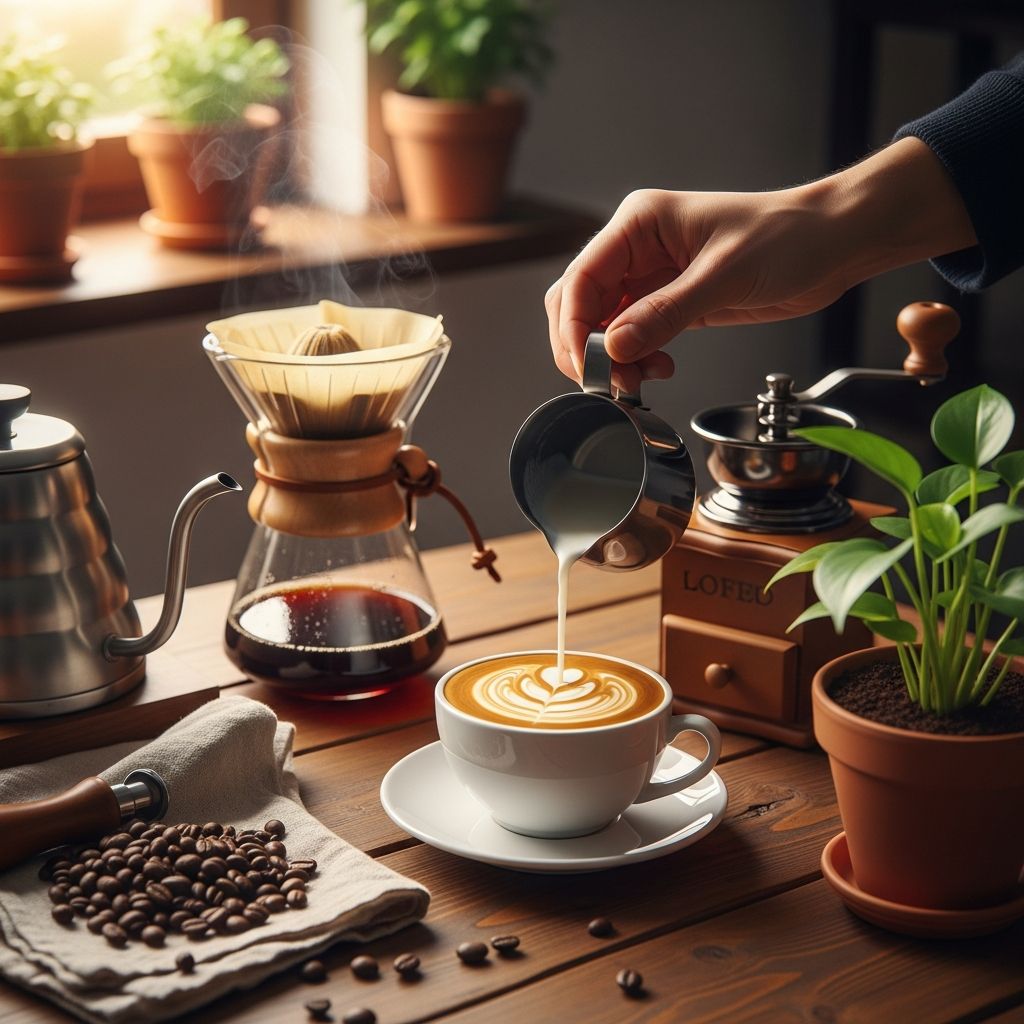
If you’re tired of spending $5–$10 daily on cafe lattes and espressos, it’s time to bring barista-quality brewing into your kitchen. With the right approach, you can craft delicious coffee drinks at home for just a third of the cost, without sacrificing flavor or satisfaction. This guide shares proven tips from coffee enthusiasts to help you ditch the drive-thru and reclaim your budget while enjoying superior brews every morning.
The average American spends over $1,000 annually on coffee shop purchases, but by mastering home brewing, you could pocket hundreds. Whether you’re a long-time coffee addict or just looking to cut expenses, these strategies ensure your home cup rivals any cafe’s offering. Let’s break it down step by step.
Save More Money Beyond Making Great Coffee at Home
Perfecting your home coffee routine is just the start. At sites like The Penny Hoarder, saving extends to every corner of your finances. Beyond brewing savings, explore tools like auto insurance comparators that can shave ~$500 yearly off premiums by entering basic info for instant quotes. Pair your coffee mastery with broader budgeting hacks for maximum impact.
Other smart moves include tracking subscriptions, negotiating bills, and using cash-back apps. These compound your coffee savings into real financial freedom—imagine funding a vacation with what you used to blow on lattes.
Tip 1: Buy Good Beans
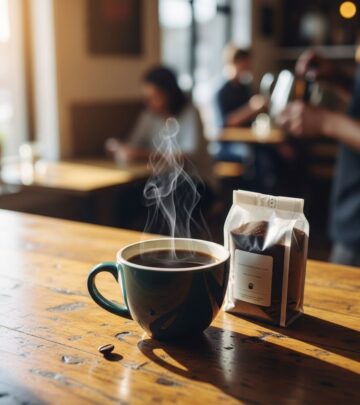
The foundation of exceptional coffee is quality beans. Skip bargain-bin grounds like Folgers; they’re no match for a well-sourced cafe bean. Invest in fresh, specialty-grade coffee to make home brewing irresistible over pricey takeout.
Visit local cafes that roast or sell beans—they often grind to your specs for free, tailored to your method: fine for espresso, coarse for French press, or medium for pour-over. This ensures peak freshness and flavor extraction.
For convenience, subscribe to online roasters delivering straight to your door. Pennsylvania’s Happy Mug offers small-batch, freshly roasted beans with subscription discounts, ideal if your local spot is distant. Expect to pay $12–$20 per pound for premium arabica, far cheaper per cup than cafes ($0.25–$0.50 vs. $4+).
- Freshness rule: Buy only what you’ll use in 2–4 weeks; store in an airtight container away from light and heat.
- Roast date check: Prioritize beans roasted within 30 days.
- Single-origin vs. blends: Experiment—single-origins highlight unique flavors like fruity Ethiopian or nutty Colombian.
Pro tip: Grind just before brewing. Pre-ground loses aroma quickly. A $20 burr grinder pays off fast through better brews that keep you homebound.
Tip 2: Get Yourself Some Coffee Gear
You don’t need a $1,000 espresso machine to go pro. Start with affordable, versatile tools that deliver cafe results without breaking the bank. Focus on gear matching your brew style and budget.
The Moka pot ($20–$40) is a stovetop hero for rich, espresso-like coffee. Fill the bottom with water, add grounds to the basket, and heat for bold shots perfect black or as latte base. Brands like Bialetti are durable classics.
Other essentials:
| Gear | Price Range | Best For | Why It Saves Money |
|---|---|---|---|
| AeroPress | $30–$40 | Quick espresso-style or pour-over | One cup at a time, no waste; portable for travel. |
| French Press | $20–$50 | Full-bodied immersion brew | Simple, no paper filters; lasts years. |
| Pour-Over Dripper (e.g., Hario V60) | $10–$25 | Precise, clean drip coffee | Reusable filters; highlights bean flavors. |
| Burr Grinder | $30–$100 | All methods | Consistent grind for better extraction; one-time buy. |
| Milk Frother (handheld) | $15–$30 | Lattes & cappuccinos | Steamy foam without machines. |
Build gradually: Start with a Moka and frother for lattes under $50 total. These tools yield consistent results, making home coffee addictive and cafe visits obsolete. Maintenance is key—clean daily to avoid off-flavors.
Tip 3: Get as Homemade as Possible
Homemade syrups and add-ins elevate basic brews to gourmet status, slashing costs 80–90%. Store-bought pumps add $1–$2 per drink; DIY versions cost pennies.
Vanilla Syrup: Simmer 1 cup water, 1 cup sugar, and 2 tbsp homemade vanilla extract (vodka + beans) for 10 minutes. Yields 1.5 cups for months of use.
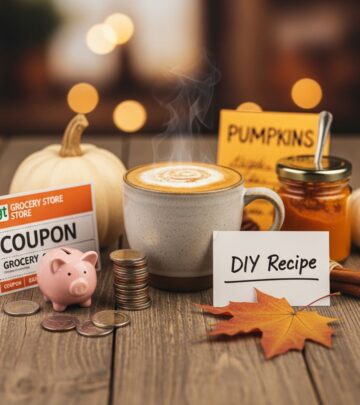
Pumpkin Spice: Blend canned pumpkin (not pie mix), cinnamon, nutmeg, ginger, cloves, sugar, and water. Refrigerate up to 2 weeks.
Mocha Sauce: Melt chocolate with hot coffee, add cocoa and sugar. Drizzle over lattes.
- Customize: Add chili for Mexican mocha or lavender for floral notes.
- Batch prep Sundays for grab-and-go convenience.
- Flavor intensity: Start mild; adjust to taste.
This approach builds skills and creativity. Your kitchen becomes a coffee lab, producing drinks better than chains—fresher, customizable, zero wait.
Tip 4: Use a Few Good Premade Ingredients
Balance perfection with reality: Premades save time on rushed days. Quality grocery options like Torani sugar-free syrups or International Delight creamers cost $3–$5 per bottle (20+ servings) vs. $7+ cafe upsells.
- Syrups: Monin or Torani—refrigerate post-opening.
- Creamers: Oat, almond, or heavy whipping for froth.
- Chocolate: Ghirardelli powder mixes instantly.
Hybrid hack: Mix homemade base with one premade for speed. Still 70% cheaper, with cafe taste. Stock 2–3 staples; rotate to avoid boredom.
Tip 5: Do the Math
Quantify savings to stay motivated. Track costs:
- Cafe latte: $6 daily x 5 days/week x 50 weeks = $1,500/year.
- Home version: Beans $0.50 + milk $0.25 + syrup $0.10 = $0.85/cup x 250 = $212.50/year.
- Annual savings: $1,287.50!
Long-term: Redirect to debt payoff, emergencies, or travel. Apps like Mint track this automatically. Monthly reviews reinforce habits.
Frequently Asked Questions (FAQs)
Q: What’s the best beginner coffee maker for lattes?
A: A Moka pot paired with a handheld frother—under $50, delivers espresso strength and creamy foam rivaling cafes.
Q: How long do coffee beans stay fresh?
A: 2–4 weeks post-roast if stored airtight in a cool, dark place. Grind only what you need per brew.
Q: Can I make iced lattes at home?
A: Yes—brew strong Moka coffee, chill, froth cold milk, layer over ice. Add homemade syrup for flavor.
Q: What’s the cheapest way to froth milk?
A: French press method: Heat milk, plunge vigorously. Or shake in a jar for 30 seconds.
Q: How much can I really save quitting cafe coffee?
A: Up to $1,300/year for daily drinkers, per cost breakdowns—enough for a dream vacation.
Master these tips, and your home brews will outshine any cafe. Start small, experiment boldly, and watch savings brew. Contributor Larissa Runkle specializes in finance and lifestyle, drawing from years of coffee obsession.
References
- National Coffee Association – Coffee Consumption Statistics — National Coffee Association USA. 2024-10-15. https://www.ncausa.org/Research-Trends/Market-Research
- USDA FoodData Central – Coffee Bean Pricing and Nutrition — United States Department of Agriculture. 2025-01-01. https://fdc.nal.usda.gov/
- Specialty Coffee Association – Brewing Best Practices — Specialty Coffee Association. 2023-05-20. https://sca.coffee/research/protocols-best-practices
- Consumer Reports – Home Coffee Makers Review — Consumer Reports. 2025-03-12. https://www.consumerreports.org/appliances/coffee-makers/
- Bureau of Labor Statistics – Consumer Expenditure Survey on Beverages — U.S. Bureau of Labor Statistics. 2024-09-10. https://www.bls.gov/cex/
Similar Articles








Read full bio of medha deb