How to Make a Butter Board: A Beginner’s Guide
Master the viral appetizer trend with easy steps and creative topping combinations.
What Is a Butter Board?
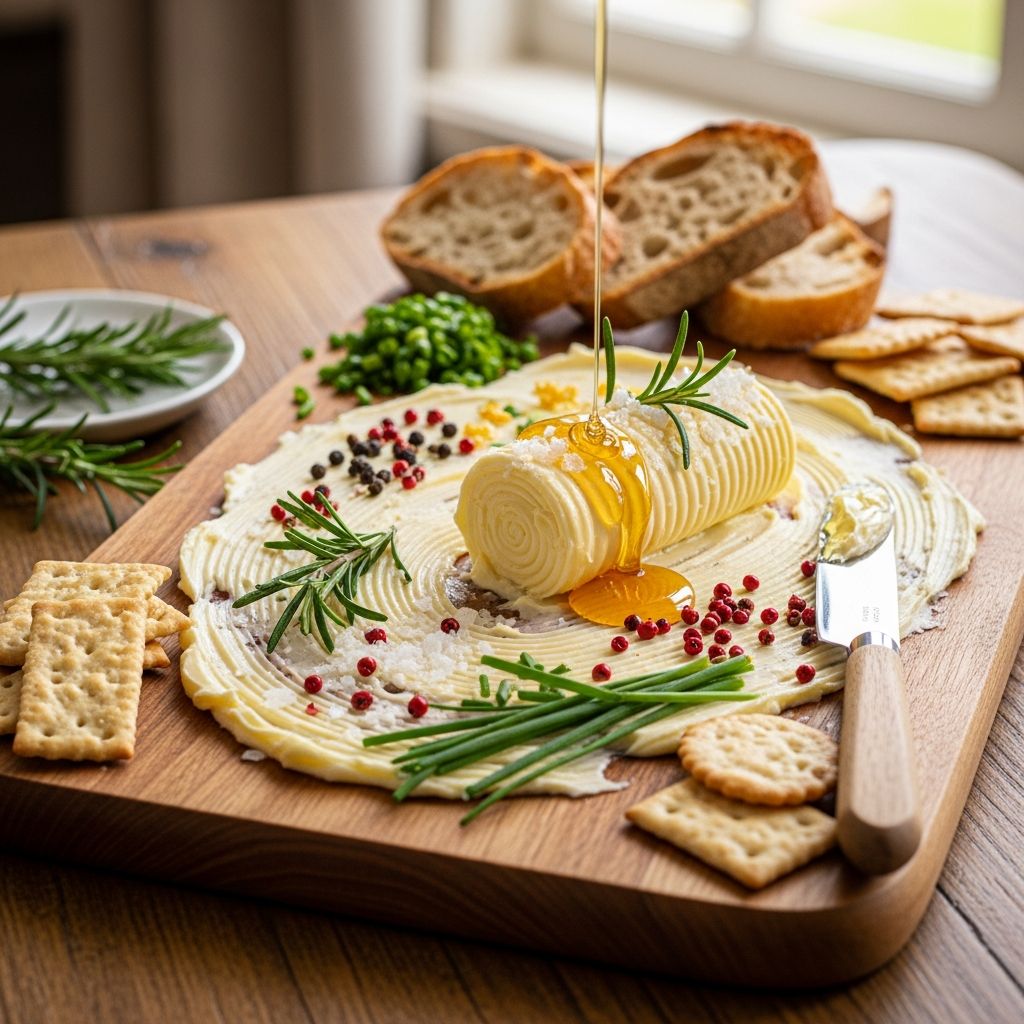
A butter board is a viral appetizer trend that combines elegance with simplicity. It features softened butter spread across a wooden board or platter, topped with an array of flavorful ingredients like herbs, garlic, citrus zest, nuts, and honey. Unlike traditional charcuterie boards, butter boards focus on showcasing creamy, spreadable butter as the star ingredient, served alongside crusty bread, crackers, and fresh vegetables for dipping and spreading.
This trendy appetizer has become a favorite for entertaining because it requires minimal cooking skills, comes together quickly, and creates an impressive presentation that feels elevated and intentional. The beauty of a butter board lies in its versatility—you can customize the toppings based on your preferences, dietary restrictions, and what ingredients you have on hand.
Essential Equipment and Ingredients
Equipment You’ll Need
- A wooden cutting board or serving platter (6-7 inches minimum for smaller boards, larger for group entertaining)
- A butter knife or offset spatula
- A small bowl for softening butter (optional)
- Microwave (optional, for accelerating butter softening)
Base Ingredients
Every butter board starts with the same foundation:
- Unsalted butter — 1 to 3 sticks (8 to 24 ounces), softened to room temperature
- Flaky sea salt — 2 to 3 teaspoons, essential for enhancing flavors
- Citrus zest — Lemon, orange, or lime zest for brightness and visual appeal
- Fresh herbs — Thyme, rosemary, basil, parsley, or chives (3-4 tablespoons chopped)
- Quality bread — Crusty sourdough, focaccia, or whole-grain bread for serving
Step-by-Step Instructions to Make Your Butter Board
Step 1: Prepare Your Butter
The foundation of any excellent butter board is properly softened butter. Remove butter from the refrigerator and allow it to sit on the counter for approximately 30 minutes until it reaches a spreadable consistency similar to peanut butter—soft but not melting. If you’re short on time, you can microwave butter in 10-second intervals, stirring between each burst, until it reaches the desired texture. The butter should be easy to spread but still hold its shape.
Step 2: Select and Prepare Your Board
Choose a wooden board or ceramic platter that’s at least 6-7 inches in diameter for individual servings, or larger (10-12 inches) if you’re making a board to share. Wooden boards are traditional and add rustic elegance to your presentation. Ensure your board is clean and ready for use.
Step 3: Spread the Butter
Using an offset spatula or the back of a spoon, spread your softened butter evenly across the board, leaving at least a one-inch border on all sides. Create gentle grooves and swirls in the butter using your knife or spoon—these texture variations provide visual interest and give your topping ingredients places to settle. The butter should be approximately 1/8-inch thick.
Step 4: Layer Your Toppings
Following the order below ensures optimal flavor distribution and visual appeal:
- Sprinkle liberally with flaky sea salt, which brings out the natural flavors of all other ingredients
- Add dry ingredients first (zests, dried spices, crushed nuts)
- Layer fresh herbs and delicate ingredients next
- Finish with liquid elements (honey drizzle, chili oil) and decorative garnishes
Step 5: Serve Immediately
Arrange your butter board on a serving platter or table with toasted bread slices, crackers, and fresh vegetables (radishes, celery, or cucumber) alongside. Serve at room temperature for best flavor and spreadability.
Popular Topping Combinations
The Classic Herb Board
This timeless combination celebrates fresh herbs and bright citrus flavors. Layer your butter with chopped fresh herbs (basil, thyme, rosemary, parsley, and chives), flaky sea salt, freshly ground black pepper, and zest from one lemon. This option works excellently with almost any bread and appeals to herb lovers.
Roasted Garlic + Rosemary
For garlic enthusiasts, this combination delivers rich, complex flavors. Start by roasting a whole head of garlic in a 400-degree oven for 30-40 minutes until soft and golden. Squeeze the cloves from their skins and mash them into a paste. Spread this paste over your butter, then top with fresh rosemary sprigs (toasted in a 300°F oven for 4 minutes) and freshly cracked black pepper.
Fig, Prosciutto + Honey
This sophisticated combination balances sweet and savory notes perfectly. Top your butter board with thinly sliced fresh figs, finely chopped prosciutto, a generous honey drizzle, and a sprinkle of flaky salt. The sweetness of figs and honey contrasts beautifully with the salty prosciutto and rich butter.
Cilantro, Chilies + Red Onion
Bring fresh, zesty flavors to your board with this Latin-inspired option. Combine finely chopped fresh cilantro and parsley with red onion slivers and drizzle generously with chili d’arbol oil. This combination pairs wonderfully with warm cornbread or tortilla chips.
Honey, Coriander + Cardamom
For an exotic twist, layer your butter with freshly ground coriander and cardamom spices, fresh mint (cut half as leaves and half chiffonade), honey drizzle, and a scattered basil sprig. This aromatic combination creates a memorable sensory experience.
Citrus, Nuts + Edible Flowers
Create a visually stunning board by topping butter with crushed pistachios or other nuts, fresh mint, multiple citrus zests (orange and lemon), and edible flower petals as decoration. This option works beautifully for special occasions and dinner parties.
Professional Tips for Success
Temperature Management
Butter spreads best when softened to room temperature but remains cold enough to hold its shape. If your butter becomes too warm or melts into an oily puddle, refrigerate it for 15 minutes and try again. During warm months or in hot kitchens, work quickly to prevent melting.
Flavor Balance
When creating custom topping combinations, aim for balance among salty, sweet, fresh, and rich elements. Too much salt can overwhelm; too little leaves the board flat-tasting. Include at least one fresh element (herbs, citrus, edible flowers) for vibrancy.
Texture Variety
Combine soft, creamy elements (butter, mashed garlic, honey) with textural components (crushed nuts, crispy fried garlic chips, flaky salt). This contrast makes eating the board more enjoyable and interesting.
Visual Presentation
Arrange toppings thoughtfully across the board rather than clumping them together. Use different heights and colors to create visual interest. Edible flowers, bright green herbs, and colorful zests all contribute to an Instagram-worthy presentation.
Bread Selection
Choose high-quality bread that complements your topping flavors. Crusty sourdough works universally well, but consider whole-grain options for earthy herb combinations or lighter white bread for delicate, floral toppings.
Quick Flavor Variations
| Flavor Profile | Key Ingredients | Best With |
|---|---|---|
| Mediterranean | Roasted garlic, basil, sun-dried tomato, parmesan | Sourdough bread, olives |
| Spicy | Red pepper flakes, chili oil, fresh chilies, cilantro | Cornbread, tortilla chips |
| Sweet | Honey, cinnamon, brown sugar, dried flowers | Biscuits, crackers |
| Umami | Garlic chips, prosciutto, aged parmesan, rosemary | Focaccia, crackers |
| Bright & Fresh | Multiple citrus zests, mint, basil, edible flowers | White bread, crackers |
Storage and Make-Ahead Tips
For best results, assemble butter boards just before serving, as butter can absorb odors and flavors from the refrigerator. However, you can prepare components in advance: chop herbs, zest citrus, and crush nuts hours ahead, storing them in airtight containers. Roasted garlic paste keeps refrigerated for up to five days. Toast your bread just before serving for optimal texture and temperature.
Frequently Asked Questions
Q: Can I use salted butter for my butter board?
A: While unsalted butter is recommended because it allows you to control the saltiness precisely, you can use salted butter. Simply reduce the amount of flaky salt you add. Use about half the recommended salt amount and taste as you go.
Q: How long can a butter board sit out before serving?
A: Butter boards can sit at room temperature for up to 30-45 minutes. In warmer environments (above 70°F), aim to serve within 20-30 minutes to prevent excessive melting. If you need it to last longer, keep it in a cool room or prepare it closer to serving time.
Q: Can I make a butter board ahead of time?
A: Assemble the board just before serving for best results and appearance. However, you can prepare all individual components (chopped herbs, roasted garlic, citrus zests, toasted nuts) several hours or even a day ahead. Store them separately in airtight containers and assemble when ready to serve.
Q: What if I don’t like some of the suggested toppings?
A: The beauty of butter boards is their customization. Feel free to omit ingredients you dislike and substitute with your favorites. As long as you maintain balance among salty, sweet, fresh, and textural elements, your unique combination will work well.
Q: Is a butter board actually budget-friendly?
A: Yes, butter boards can be extremely economical. A stick of quality butter costs just a few dollars, and most toppings (fresh herbs, citrus, salt) are inexpensive staples. This appetizer delivers impressive results at minimal cost compared to other entertaining options.
Q: Can I make vegan or dairy-free butter boards?
A: Absolutely. Substitute traditional butter with high-quality plant-based butter alternatives. Many brands now offer cultured vegan butter that softens and spreads just like dairy butter. All topping combinations work with dairy-free options.
Why Butter Boards Are Perfect for Entertaining
Butter boards represent the ideal appetizer for modern entertaining. They require no cooking skills, minimal preparation time, impressive visual presentation, and endless customization possibilities. Whether you’re hosting an elegant dinner party, casual gathering, or wine night, a well-executed butter board demonstrates thoughtfulness and culinary confidence while remaining accessible to beginners.
The trend’s popularity stems from its perfect balance of simplicity and sophistication. Guests appreciate the quality ingredients, beautiful presentation, and interactive element of spreading butter on their bread. It’s a conversation starter that looks far more complicated than it actually is.
References
- How to Make a Butter Board — Dished by Kate. 2024. https://dishedbykate.com/how-to-make-a-butter-board/
- Making Easy Butter Boards — COOKtheSTORY. 2024. https://cookthestory.com/making-easy-butter-boards/
- How to Make a Butter Board — Big Delicious Life. 2024. https://bigdeliciouslife.com/how-to-make-a-butter-board/
- How to Make a Butter Board — Justine Doiron. 2024. https://justinesnacks.com/how-to-make-a-butter-board/
- Butter Board Recipe — Spoon Fork Bacon. 2024. https://www.spoonforkbacon.com/butter-board-recipe/
- How to Make a Butter Board — Savory Experiments. 2024. https://www.savoryexperiments.com/how-to-make-a-butter-board/
Similar Articles








Read full bio of medha deb