No-Knead Bread: 8-Step Artisanal Recipe Under $0.50
Learn to bake professional-quality artisan bread for under 50 cents per loaf using simple techniques.
How to Make Artisanal Bread on a Budget
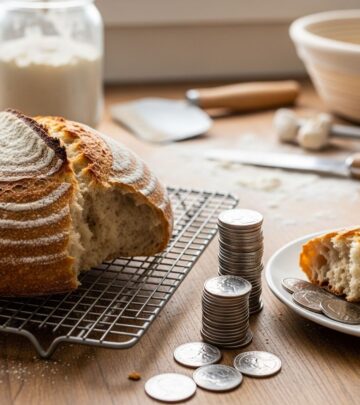
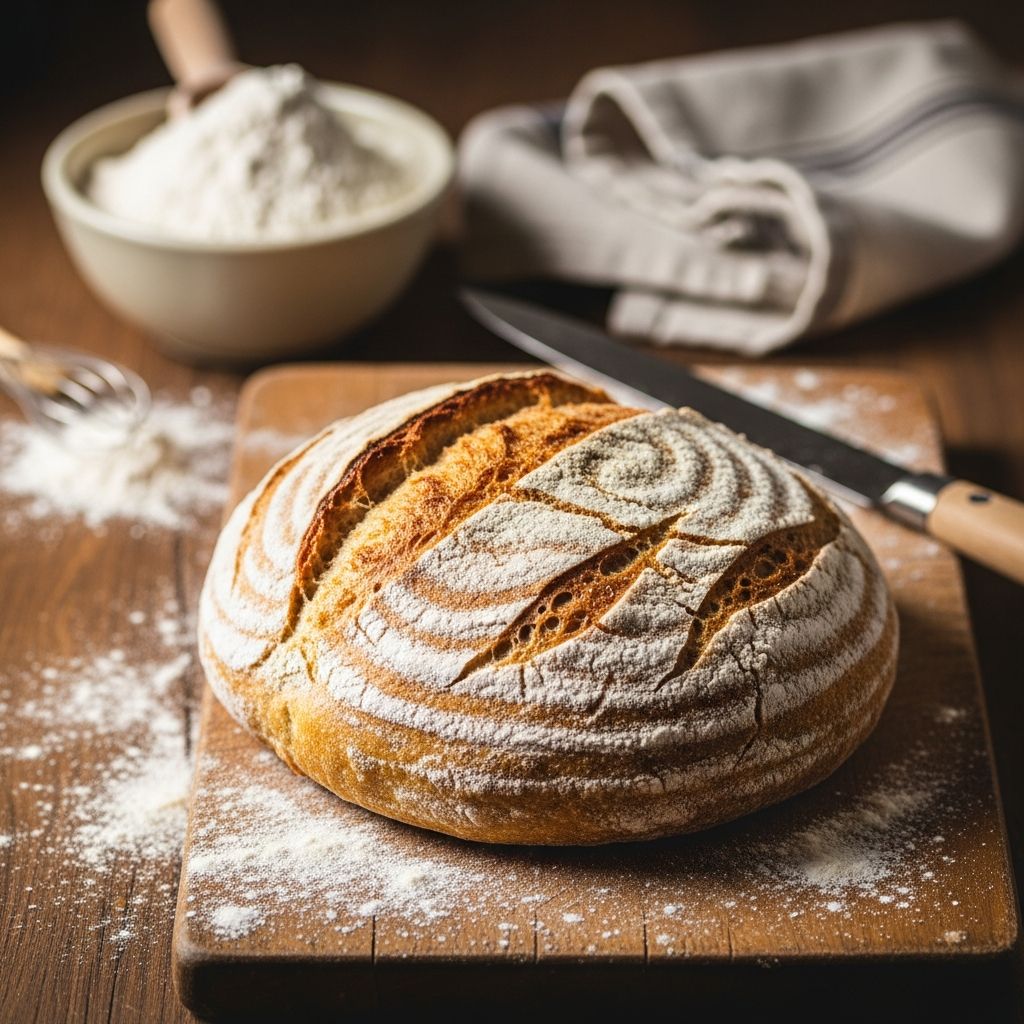
Making artisan bread at home doesn’t require expensive equipment or complicated techniques. The no-knead bread method proves that you can create professional-quality loaves with a rustic crust and complex flavor for less than 50 cents per loaf—a fraction of the $5 to $8 you’d pay at a bakery. This simple approach transforms basic ingredients into exceptional bread, making it an ideal choice for budget-conscious home bakers and kitchen beginners alike.
The No-Knead Bread Revolution
The classic no-knead bread recipe was developed by Jim Lahey of Sullivan Street Bakery in New York City and represents a breakthrough in home baking. The recipe requires just four essential ingredients: flour, yeast, salt, and water. What makes this method revolutionary is its simplicity—no kneading, minimal hands-on time, and extraordinary results. The basic recipe is so straightforward that a motivated eight-year-old could learn how to bake bread. If you have the skills to make slime, you possess the ability to master no-knead bread.
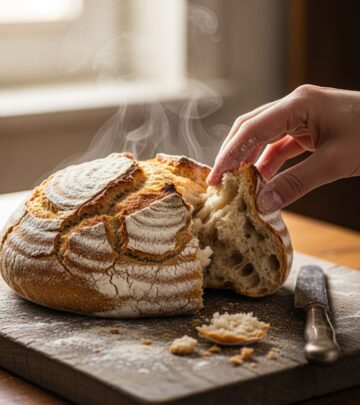
The true genius of this approach lies in its reliance on time rather than effort. The dough undergoes a long fermentation period, typically 12 to 18 hours, during which a complex flavor develops naturally. This extended rising time creates the distinctive tangy taste and open crumb structure associated with artisan breads, all without any kneading whatsoever.
Understanding the Cost Breakdown
One of the most compelling reasons to bake artisan bread at home is the dramatic cost savings. Here’s how the ingredient costs break down using bulk purchases:
- One 25-pound bag of high-gluten bread flour costs approximately $7.99
- One one-pound bag of instant yeast costs approximately $3.59
- One 26-ounce box of sea salt costs approximately $2.09
Each loaf uses 15 ounces of flour, nine grams of salt, and less than a gram of yeast, bringing the total ingredient cost to approximately 31 cents per loaf. Even when upgrading to premium ingredients like organic flour or adding expensive additions such as olives, nuts, or specialty grains, the cost per loaf rarely exceeds $2.
Buying bulk ingredients maximizes savings, though for smaller households, the economics still favor homemade bread. A single one-pound bag of yeast produces more than 454 loaves of bread, demonstrating how far bulk purchases stretch. Those willing to split bulk orders with neighbors or friends can reduce costs even further while building community connections.
Essential Equipment for Budget Baking
The beauty of no-knead bread is that it requires minimal specialty equipment. Professional bakeries use steam-injected ovens to create the flaky, crispy crust that defines artisan bread. Jim Lahey discovered that home bakers can replicate this effect using a simple lidded Dutch oven or cast iron pot. The trapped steam creates the same moisture-rich environment that develops that coveted bakery crust.
A quality cast iron pot suitable for baking costs around $40, representing a one-time investment that will last for decades. Alternative options include any oven-safe, lidded pot that can withstand temperatures of 450 degrees Fahrenheit. Expensive, single-use kitchen gadgets are unnecessary—the technique works with basic cookware found in most kitchens.
The Simple Recipe and Process
The no-knead bread process involves mixing four ingredients and allowing chemistry and time to do the heavy lifting. The basic steps include:
- Mix flour, yeast, salt, and water in a large bowl
- Cover and allow to ferment at room temperature for 12 to 18 hours
- Turn dough onto a floured surface and shape into a round ball
- Place on parchment paper and allow to rise for 1 to 2 hours
- Preheat Dutch oven in a 450-degree oven
- Transfer dough into preheated Dutch oven and cover with lid
- Bake covered for 30 minutes, then uncovered for 15 to 30 minutes until golden brown
- Cool on a wire rack before slicing
The recipe is remarkably forgiving and difficult to ruin, making it perfect for novice bakers. The hundreds of comments and variations shared by home bakers demonstrate the incredible adaptability of this method, with successful results using whole wheat flour, sourdough cultures, cinnamon raisins, and numerous other additions.
Advanced Variations and Improvements
While the classic no-knead recipe is nearly perfect, variations can enhance texture and reduce rising time. The Cook’s Illustrated Magazine test kitchen developed an “Almost No-Knead” version that adds beer as a leavening agent and incorporates minimal kneading. This modification produces a loaf with a finer crumb structure and reduces the initial fermentation time to as few as eight hours.
Beer serves as a leavening agent because it contains residual sugars and carbonation that boost yeast activity. A single 12-ounce bottle of mild-flavored or nonalcoholic beer produces enough leavening for slightly more than four loaves. Many home bakers use leftover beer from gatherings, eliminating the need to purchase additional ingredients.
Flavor development improves significantly with extended fermentation time. Loaves mixed early in the week and baked several days later develop more complex, sourdough-like flavors compared to loaves baked immediately after rising. This fermentation process allows wild yeast and bacteria to contribute subtle taste dimensions that enhance the finished bread.
Time-Saving Bulk Baking Strategies
For busy schedules or larger households, bulk baking strategies maximize efficiency and savings. Many home bakers prepare dough for multiple loaves in a single session, typically mixing enough for four loaves on a designated day like Saturday. This approach allows baking on demand throughout the week while maintaining freshness.
Freezing surplus loaves after baking extends pantry supplies and reduces energy costs. Bulk baking concentrates oven time rather than heating the oven multiple times weekly, significantly reducing electricity or gas consumption. This efficiency proves particularly valuable during summer months when repeated oven use impacts household temperatures and air conditioning needs.
Batch mixing combined with sequential baking creates flexibility in bread availability. Some bakers prepare large quantities of dough once weekly, dividing it into portions for baking throughout the week as needed. This approach ensures constant access to fresh bread while minimizing daily time commitments.
Sourcing Ingredients Wisely
Purchasing high-quality bread flour and instant yeast in bulk from warehouse retailers like Smart & Final provides the best pricing while ensuring freshness. Comparing ingredient costs across different retailers reveals significant savings opportunities. Premium ingredients like organic flour or specialty additions remain affordable when calculated per loaf.
Establishing relationships with neighbors or friends for bulk purchases further reduces individual costs. Sharing large bags of flour and yeast among multiple households ensures ingredients remain fresh while splitting bulk discounts. This collaborative approach builds community while providing financial benefits for all participants.
Even high-end additions like olives, nuts, herbs, and specialty flours rarely push the per-loaf cost above $2, remaining substantially less than commercial artisan bread prices. This affordability enables experimentation with diverse flavors and variations without budget concerns.
Why Homemade Bread Makes Financial Sense
The economic advantages of homemade bread extend beyond ingredient costs. Fresh bread purchased from bakeries or grocery stores degrades rapidly, encouraging food waste. Homemade bread enables precise portion control and preservation through freezing. The superior flavor of fresh, homemade bread encourages consumption of whole loaves rather than allowing stale bread to become waste.
Homemade bread becomes a reliable dietary staple in budget-conscious kitchens, reducing dependence on processed foods or expensive bakery purchases. The ability to customize ingredients addresses dietary preferences, allergies, and nutritional goals at minimal cost. Families can incorporate whole grains, reduce sodium, or avoid preservatives through homemade baking.
The meditative process of bread baking provides intangible benefits beyond financial savings. The ritual of mixing dough, monitoring fermentation, and transforming simple ingredients into nourishing food connects bakers to traditional food preparation practices while building valuable culinary skills.
Adapting the Recipe for Preferences
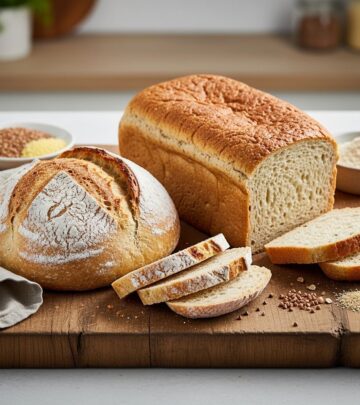
The no-knead method’s flexibility accommodates virtually any flour type or flavor addition. Whole wheat variations, rye breads, herb-infused loaves, and sweet variations all succeed with minimal adjustment to the basic recipe. The hundreds of documented variations demonstrate the method’s adaptability across diverse baking preferences and dietary requirements.
Experimenting with fermentation times, hydration levels, and ingredient additions allows bakers to develop personalized recipes reflecting their taste preferences. The forgiving nature of the method means variations rarely result in complete failure, instead producing interesting loaves with unique characteristics.
Professional-quality results remain consistent across attempts, building baker confidence and encouraging continued experimentation. Each batch teaches valuable lessons about how minor adjustments impact texture, flavor, and crumb structure.
Frequently Asked Questions
Q: Can I make no-knead bread without a Dutch oven?
A: While a Dutch oven works best for trapping steam, any oven-safe, lidded pot that tolerates 450-degree temperatures functions adequately. Some bakers use covered baking stones or bread cloche alternatives with satisfactory results, though the Dutch oven remains the gold standard for achieving optimal crust development.
Q: How long does no-knead bread dough keep in the refrigerator?
A: Mixed dough remains viable for several days in the refrigerator, often developing deeper flavors through extended fermentation. Many bakers intentionally refrigerate dough to enhance taste complexity. Dough can be divided into portions and baked individually as needed throughout the week.
Q: What causes dense, brick-like bread?
A: Several factors contribute to dense bread, including insufficient fermentation time, improper hydration ratios, expired yeast, or oven temperature inconsistencies. Starting with white or low-percentage whole wheat loaves helps beginners master fundamentals before attempting more complex recipes with higher whole grain content.
Q: Can I use all-purpose flour instead of bread flour?
A: All-purpose flour produces acceptable results, though bread flour’s higher protein content creates superior gluten development and open crumb structure. Cost differences between flour types are minimal, making bread flour the preferred choice despite all-purpose flour’s versatility.
Q: Is instant yeast necessary, or can I use active dry yeast?
A: Both instant and active dry yeast function successfully with minor timing variations. Instant yeast activates slightly faster, potentially reducing fermentation time marginally. The cost difference is negligible, and both remain viable for budget-conscious bakers.
References
- No-Knead Bread — Jim Lahey, Sullivan Street Bakery. New York Times. https://cooking.nytimes.com/recipes/11376-no-knead-bread
- Artisan Bread in 5 Minutes a Day: The Discovery That Revolutionizes Home Baking — Jeff Hertzberg and Zoë François. Thomas Dunne Books. 2007. https://www.artisanbreadin5.com
- The Flavor Bible: The Essential Reference for More Than 10,000 Ingredient Combinations — Karen Page and Andrew Dornenburg. Little, Brown and Company. 2008. https://www.karenpageculinary.com
- Cook’s Illustrated Magazine – Almost No-Knead Bread — America’s Test Kitchen. https://www.cooksillustrated.com
- Breadmaking Science and Practice — Gilles Trèspoey. Springer International Publishing. 2014. https://doi.org/10.1007/978-3-319-14687-4
Similar Articles








Read full bio of Sneha Tete