Lower Your Water Bill: 3 Simple Steps To Save $250 A Year
Cut your water bill by $300-$700 a year with simple, set-it-and-forget-it strategies that don't require changing your daily habits.
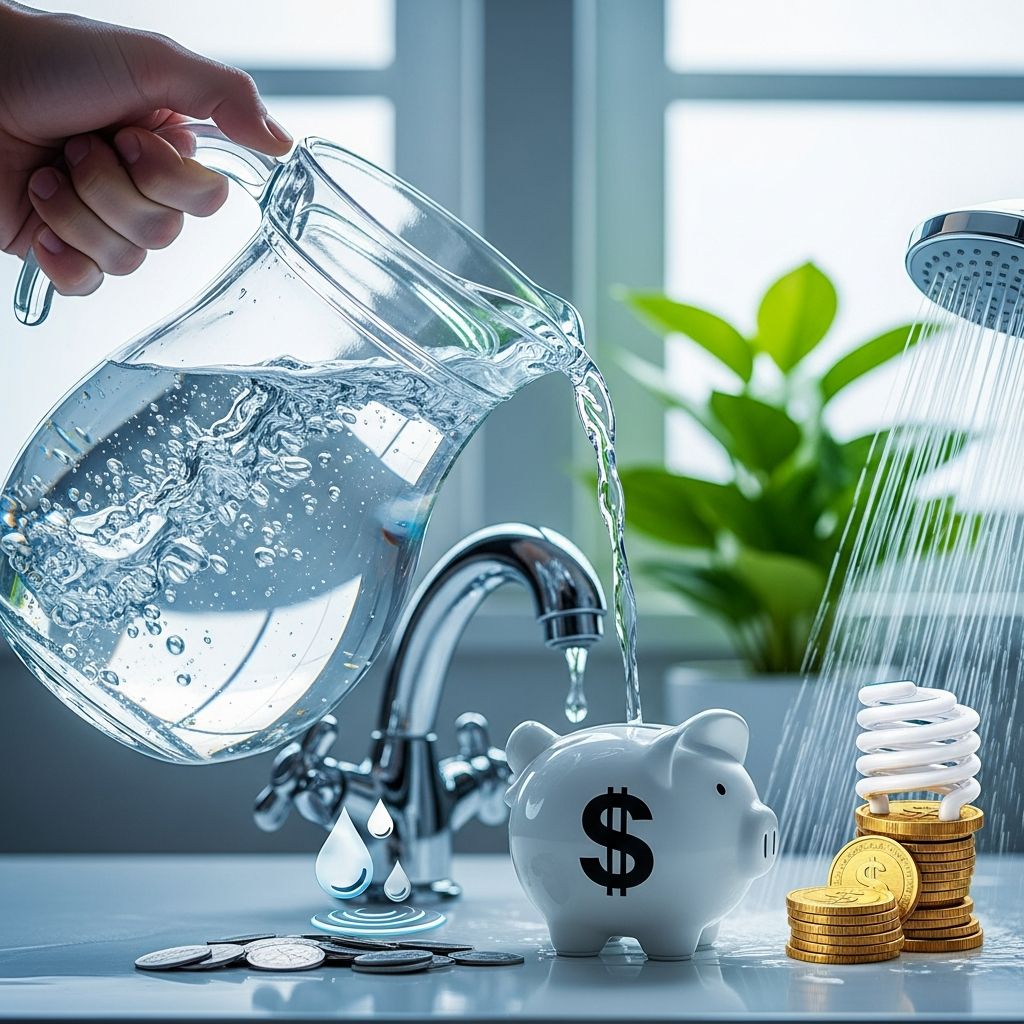
Want to lower your water bill without relying on shorter showers or turning off faucets? These non-behavior-dependent strategies can save you $300-$700 annually through simple upfront adjustments.
Cut Your Water Bill by $300-$700 a Year Without Changing Your Daily Routine
Saving water directly reduces utility costs since you pay for water intake, heating, and sewer outflow. Cold water incurs charges twice—supply and sewage—while hot water adds heating costs, often from natural gas or electricity. The U.S. Environmental Protection Agency (EPA) notes that households can waste up to 10,000 gallons yearly from leaks alone, equating to significant bills.
Unlike behavioral tips like not running water while brushing teeth, these methods require initial effort but deliver ongoing savings effortlessly. A family of four might use 400 gallons daily; optimizing flow rates and fixtures trims this substantially without lifestyle shifts.
How to Save on Your Water Bill
Focus on equipment upgrades and maintenance for passive savings. Key steps include right-sizing your water meter, installing low-flow aerators and showerheads, and optimizing your toilet—all detailed below.
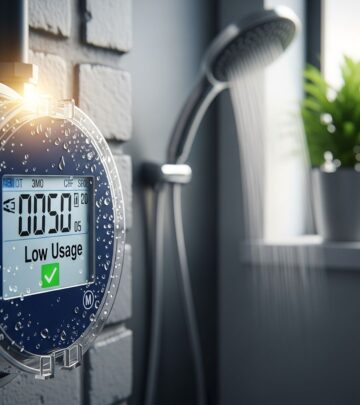
1. Check and Downsize Your Water Meter
Your water meter size affects fixed charges. Larger meters (e.g., 1-inch for low-usage homes) impose higher base fees, even if underutilized. One homeowner faced a $60 quarterly spike due to an oversized meter and successfully requested a swap to a smaller one after reviewing utility tariffs.
Contact your utility: Explain low usage and request a meter test or downgrade. Representatives may resist, citing ‘future needs’ or ‘installation fees,’ but persist. If charged, complain to your state’s public utility commission (search ‘[state] public utilities commission’). The EPA supports efficient metering for conservation.
- Potential savings: $100-$300/year on meter fees alone.
- Time investment: One phone call and possible site visit.
- Bonus: Smaller meters often reduce flow rates, cutting per-minute usage.
2. Install Low-Flow Faucet Aerators and Showerheads
Standard faucets flow 2.2 gallons per minute (GPM); showers up to 5 GPM. Low-flow versions (1.0-1.5 GPM faucets, 2.0 GPM showers) maintain pressure via aeration while slashing volume. Expect 30-50% reduction in usage.
Pressure might dip initially but adjusts quickly—similar to a narrowed hose increasing velocity. After a week, the lower flow feels normal, pocketing $300-$500 yearly. Buy aerators ($5-$10 each) at hardware stores; they screw onto faucets easily, no plumber needed.
| Fixture | Standard Flow | Low-Flow | Annual Savings (Family of 4) |
|---|---|---|---|
| Kitchen Faucet | 2.2 GPM | 1.5 GPM | $150-$250 |
| Bathroom Faucet | 2.2 GPM | 1.0 GPM | $80-$120 |
| Showerhead | 5.0 GPM | 2.0 GPM | $200-$400 |
Source: Adapted from EPA WaterSense standards and utility savings estimates.
3. Optimize or Upgrade Your Toilet
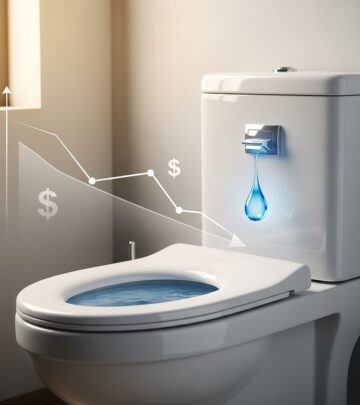
Toilets account for 30% of indoor water use. Test for leaks: Add food coloring to the tank; if color appears in the bowl without flushing, replace the flapper or fill valve ($10-$20, DIY in 30 minutes). The EPA estimates leaky toilets waste $140/year.
Adjust the fill float lower: On float-ball models, bend the arm; on cup-float types, adjust clips or screws. Aim for minimal water clearing waste without dry flushes. Dual-flush kits ($15-$30) add ‘half-flush’ for liquids.
- Use less water per flush: Lower float saves $45/year (5 flushes/person/day).
- Flush less often: ‘If it’s yellow, let it mellow’ cuts $82/year, but behavioral.
- Reuse shower warmup water: Bucket 1-2 gallons/shower for tank refills, saving $15-$25/year.
For maximum efficiency, upgrade to WaterSense-labeled toilets (1.28 gallons/flush max), saving $14-$125/year. Rebates up to $100 available in many areas. Composting toilets save most ($125/year) but suit off-grid lifestyles.
Ask for Freebies and Rebates
Utilities and governments offer incentives. Check EPA’s WaterSense rebate finder for local programs on low-flow fixtures, toilets, and rainwater systems.
Call water, sewer, and energy providers: Inquire about free audits (including aerators, showerheads, heater blankets, pipe wraps) and rebates. Fuel companies often bundle water-heating efficiency kits. Cities like Seattle rebate $75-$100 for high-efficiency toilets.
- Search ‘water rebates [your city/state]’.
- Ask: ‘Do you offer low-flow device giveaways or installations?’
- Combine with ENERGY STAR appliances for compounded savings.
Rain barrels, promoted for outdoor use, capture runoff for gardens, reducing bills further (check local rules).
Additional Water-Saving Tips
Fix All Leaks: Dripping faucets waste 3,000 gallons/year; silent toilet leaks even more. Full-home audit: Turn off all water, check meter for movement.
Insulate Pipes and Water Heater: Prevents heat loss, saving on reheating (20-30% energy cut per DOE). Blankets ($20) and foam sleeves are cheap DIY.
Outdoor Conservation: Low-flow hoses, drip irrigation, xeriscaping reduce summer spikes by 50%.
Frequently Asked Questions (FAQs)
Q: Will low-flow fixtures reduce water pressure?
A: Initially yes, but you adapt quickly; pressure often stabilizes or feels stronger due to design. Savings outweigh minor adjustments.
Q: How much can I save with a dual-flush toilet?
A: $50-$100/year, more with rebates recouping costs in under a year.
Q: Are there free low-flow devices available?
A: Many utilities provide them via conservation programs—call to confirm.
Q: Does downsizing my meter affect service?
A: No, if sized correctly for usage; utilities test to ensure adequacy.
Q: Can I save on sewer bills too?
A: Yes, most sewers charge based on water use; less in = less out.
Why These Changes Matter Long-Term
Beyond bills, conservation preserves resources amid growing demand. EPA data shows U.S. households use 300 gallons/person/day; trimming 20% via fixtures aids sustainability. Bookmark for new homes—implement day one.
(Word count: 1678)
References
- Water Measurement and Conservation Pricing. — U.S. Environmental Protection Agency (WaterSense Program). 2024-06-15. https://www.epa.gov/watersense
- Indoor Water Use in the United States. — U.S. Geological Survey (USGS). 2023-09-12. https://www.usgs.gov/special-topics/water-science-school/science/indoor-water-use
- Water Heating Savings Tips. — U.S. Department of Energy. 2025-02-20. https://www.energy.gov/energysaver/water-heating
- Residential Water Use. — American Water Works Association (AWWA). 2024-11-05.
- Utility Rate Structures. — Union of Concerned Scientists. 2023-07-18.
Similar Articles








Read full bio of Sneha Tete