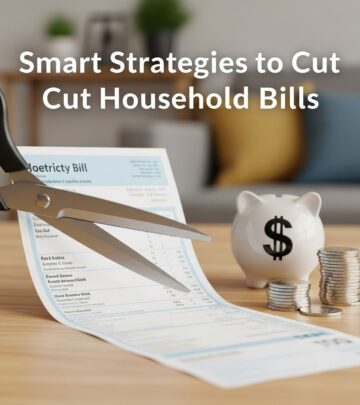
How To Lower Your Electric Bill: Save Up To $1,500
Discover proven strategies to slash your electric bill by up to $1,500 annually without major lifestyle changes or expensive upgrades.
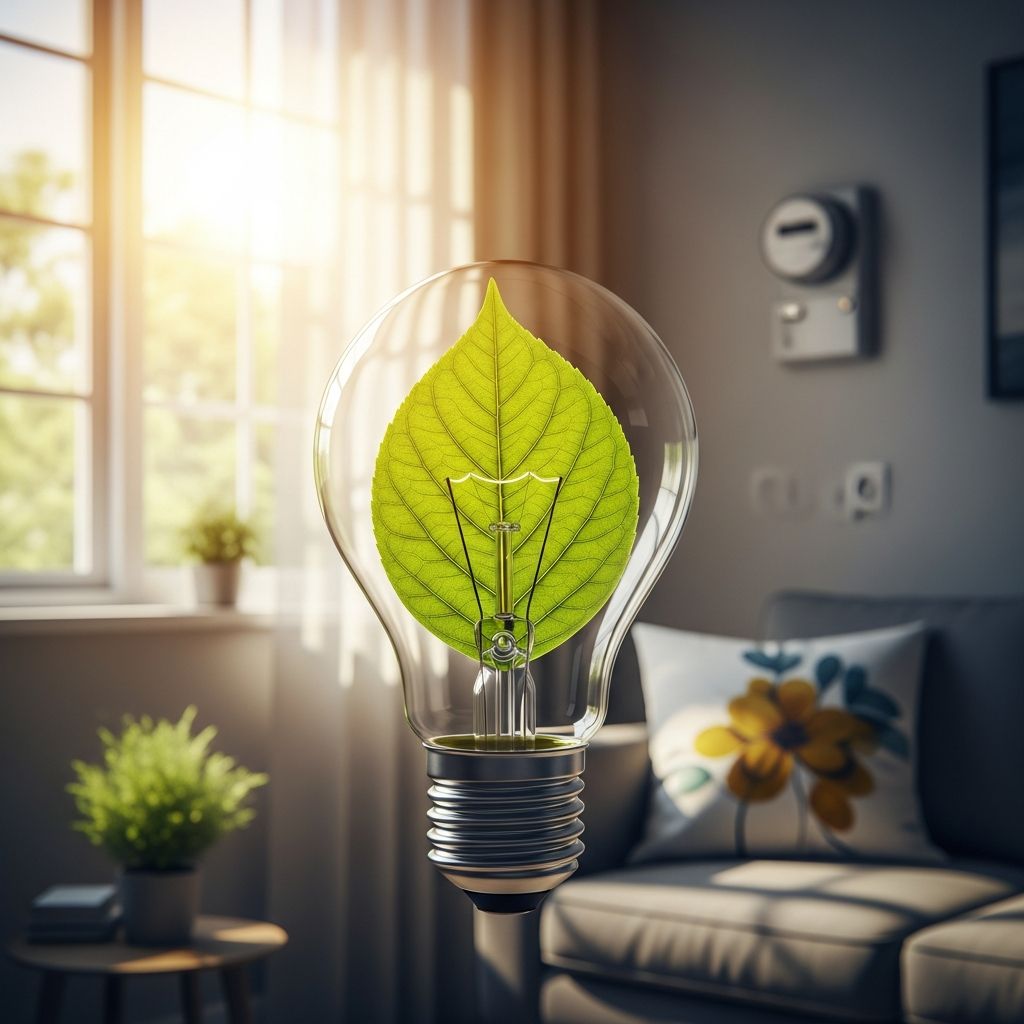
High electric bills can strain your budget, especially during extreme weather seasons. Whether facing winter heating costs or summer cooling expenses, simple changes and utility programs can help you save significantly without drastic lifestyle alterations. This guide outlines proven methods to reduce your electricity usage, potentially slashing bills by up to $1,500 a year through low-cost or no-cost actions like contacting your utility provider, eliminating standby power waste, and optimizing lighting and appliances.
Start with Your Utility Company
The most effective first step is often calling your utility provider. Many U.S. utilities are legally required to offer energy efficiency programs funded by your bill payments. These include rebates, free audits, energy-saving kits, and direct load control options where the utility remotely cycles off high-use appliances like air conditioners or water heaters during peak times for bill credits ranging from $5 monthly to $147 annually.
- Ask about available programs: Inquire on home energy audits, subsidized LED bulbs, or rebate incentives for efficient appliances.
- Enroll in load management: Allow brief interruptions (often unnoticeable) to high-draw devices and receive credits.
- Request free kits: Providers like Xcel Energy offer virtual assessments followed by optimization kits tailored for electric heating homes.
These programs turn your existing payments into tangible savings, often requiring minimal effort.
Eliminate Vampire Energy Waste
Standby or ‘vampire’ power from plugged-in chargers, TVs, and appliances consumes electricity even when off. In an average home with 25 devices like phones, laptops, and DVRs, this hidden drain can cost $935 yearly. Unplug chargers after use—leaving one in for nine hours daily adds 10 cents, multiplying across devices.
- Unplug phone chargers, Kindles, and laptops when not in use.
- Set DVRs or TVs to fully power down via timers instead of standby.
- Use power strips for multiple devices to switch off groups at once.
Simple unplugging routines yield quick wins without impacting daily convenience.
Upgrade to Efficient Lighting
Traditional incandescent bulbs waste energy as heat. Switching to CFLs or LEDs, especially outdoors, delivers substantial savings. A 100-watt outdoor incandescent running 10 hours nightly costs 12 cents per night ($44/year); an equivalent 16-watt CFL drops this to 2 cents ($7/year).
- Prioritize high-use areas: Garage, yard lamps, and porches are prime targets.
- Leverage utility subsidies: Many provide free or discounted bulbs through audits or retailer programs.
- Gradual replacement: Focus on most-used bulbs first for maximum ROI.
Replacing 30 bulbs across your home, combined with other tweaks, can save hundreds annually.
Get a Free Home Energy Assessment
Professional audits identify leaks, inefficiencies, and quick fixes. Utilities like Xcel Energy provide free virtual or in-home visits, delivering customized kits for better electrical optimization.
- Schedule via your provider’s website or hotline.
- Receive seals, bulbs, and efficiency guides post-audit.
- Address insulation gaps and appliance issues flagged in reports.
Seal Cracks and Leaks
Drafts around windows, doors, and outlets let conditioned air escape. Weatherstripping and caulk cost little but prevent major losses. Door draft stoppers ($11) block under-door gaps effectively.
- Inspect and seal windows, doors, outlets, and vents.
- Use foam sealant for electrical outlets.
- Install door sweeps or rolled towels as temporary fixes.
Upgrade Equipment with Rebates
New HVAC or thermostats pay off via rebates. Providers like ConEd offer $100+ back on smart thermostats. Check local incentives before buying.
Optimize Your Thermostat
Smart thermostats like Nest save 12% on heating and 15% on cooling via scheduling and zoning. Program for absences and sleep; lower by 1 degree for 1-3% savings.
- Set back 7-10°F when away or asleep.
- Use zonal controls for occupied rooms only.
- Enable auto-away features on smart models.
Clean and Maintain Ducts
Clogged ducts from dust and pet hair reduce efficiency. A $200-300 cleaning improves airflow, minimizing the need to crank heat.
Shift Usage to Off-Peak Hours
Run heaters, dryers, or water heaters during low-rate evenings. Time-of-use plans reward this, cutting peak surcharges.
Zone Heat Strategically
Heat only used rooms; close doors and vents elsewhere. Multiple thermostats enable precise control.
Lower Water Heater Temperature
Drop from 140°F to 120°F—safe for most and saves $36-61 yearly per U.S. Department of Energy guidelines.
Block Door Drafts
Draft stoppers retain heat affordably.
Use Ceiling Fans Wisely
Reverse winter direction to push warm air down, circulating heat evenly.
Keep Vents Clear
Avoid blocking registers with furniture for optimal airflow.
Upgrade Insulation
Attic and wall insulation rebates available; prevents 25% heat loss.
Use a Humidifier
Moist air feels warmer, allowing lower thermostat settings.
Layer Clothing and Bedding
Wear layers and add blankets to stay comfortable at lower temps.
Open Blinds for Solar Gain
Let sunlight warm south-facing rooms during day.
Potential Savings Summary
| Action | Estimated Annual Savings | Cost to Implement |
|---|---|---|
| Utility Programs + Load Control | $75-$147 | Free |
| Unplug Vampires (25 devices) | $935 | Free |
| 30 Efficient Bulbs | $300+ | $0-50 (subsidized) |
| Thermostat Optimization | 10-15% | Free if owned |
| Duct Cleaning | $100+ | $200-300 |
| Water Heater Adjust | $36-61 | Free |
Combined, these yield ~$1,500 savings at average U.S. rates, equating to $118-143 monthly.
Frequently Asked Questions (FAQs)
Q: How much can I realistically save on my electric bill?
A: Up to $1,500 yearly with combined steps like utility enrollment, unplugging, and lighting upgrades—without major investments.
Q: Are smart thermostats worth it?
A: Yes, they save 12-15% on heating/cooling via automation; rebates reduce upfront costs.
Q: What’s vampire energy and how to stop it?
A: Standby power from idle devices; unplug or use power strips to eliminate $900+ annual waste.
Q: Do free utility audits really help?
A: Absolutely— they provide tailored kits and identify savings opportunities like leaks and inefficiencies.
Q: Is 120°F safe for my water heater?
A: Yes, per Department of Energy, it meets most needs while saving $36-61 yearly.
References
- Energy Star Guidelines for Residential Energy Efficiency — U.S. Department of Energy. 2024-10-15. https://www.energy.gov/energystar/residential-energy-efficiency
- Utility Demand-Side Management Programs — U.S. Environmental Protection Agency. 2025-03-20. https://www.epa.gov/energy/utility-demand-side-management-programs
- Standby Power Consumption in Households — Lawrence Berkeley National Laboratory. 2023-11-08. https://eta-publications.lbl.gov/sites/default/files/standby_power_lbNL-2023.pdf
- Home Heating and Cooling Efficiency Report — Oak Ridge National Laboratory. 2024-07-12. https://www.ornl.gov/publication/home-heating-cooling-efficiency-report
- Water Heating Best Practices — U.S. Department of Energy. 2025-01-05. https://www.energy.gov/energysaver/water-heating
Similar Articles








Read full bio of Sneha Tete