How to Locate and Request Probate Records
A comprehensive guide to finding, accessing, and obtaining probate records from courts.
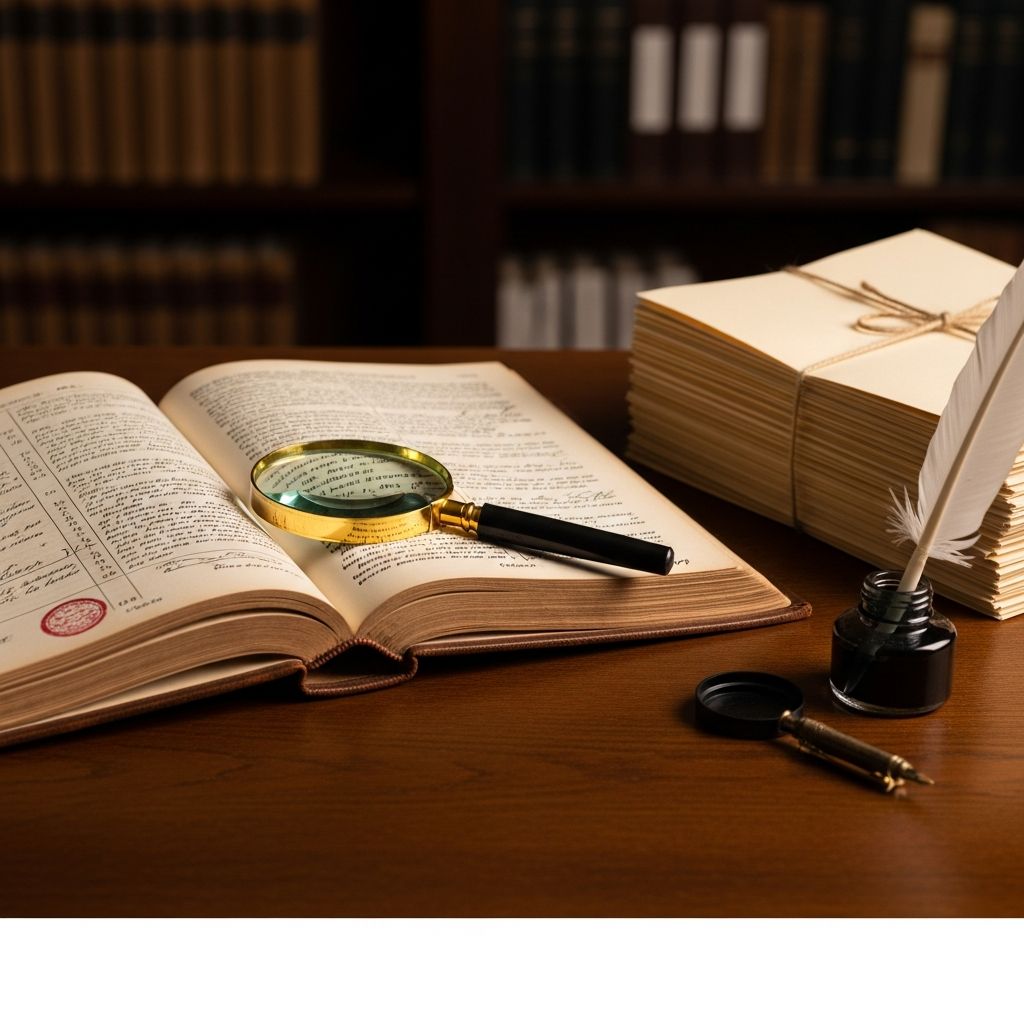
Probate records are essential documents that provide information about how a deceased person’s estate was managed and distributed. Whether you’re researching family history, settling an estate, or verifying inheritance claims, knowing how to access these records is crucial. Probate records are generally considered public documents, making them accessible to anyone with a legitimate interest in viewing them. This comprehensive guide will walk you through the various methods for locating and requesting probate records from county courts.
Understanding Probate Records and Public Access
Probate records are filed with the superior court in the county where the deceased person was living at the time of their death. The probate process typically begins when the executor or personal representative files a petition with the court, along with the original will and a certified copy of the death certificate. Once these documents are filed with the court, they generally become public documents that anyone can access. The probate process in California and most other states is designed to ensure fairness and prevent fraudulent activities within the distribution of assets.
It’s important to note that while most probate records are public, some documents might be sealed or have restricted access if they contain sensitive information. A judge can seal certain records upon request, which would prevent public access to those specific documents. Understanding these nuances will help you navigate the process more effectively.
Identifying the Correct Court
Before you can request probate records, you need to determine which court handled the case. The first step is to identify where the deceased person lived or owned property at the time of their death. Probate cases are filed in the superior court of the county where the decedent was living when they passed away. This is critical information that will guide all your subsequent searches and requests.
If you’re unsure which county the person lived in, you may need to conduct some preliminary research. You can contact the county clerk’s office where you believe the probate case was filed. The clerk’s office staff can help verify whether a probate case exists in their county and provide you with relevant case information.
Online Methods for Accessing Probate Records
The most convenient way to access probate records today is through online resources. Many county courts in California and across the nation provide online access to probate records through public portals, allowing you to search for and view documents from home.
Using County Government Websites
Most counties maintain official government websites where you can search for probate records. You can find information about where the executor filed the paperwork by contacting the county clerk’s office, and then you can search that county’s .gov website for the deceased person’s name. These official websites typically allow you to search by case number, party name, or filing date. Once you locate the case, you can view associated probate records online at no cost.
Online Case Information Portals
Many superior courts operate dedicated case information portals that provide free access to probate records. For example, the Santa Clara Superior Court’s Case Information Portal allows individuals to find probate records generated within the county at no charge. Site visitors can search by case number, party name, business name, or filing date. Search results typically include case numbers, statuses, case types, and filing dates. Selecting the “View Case” button reveals more details about a proceeding, such as court locations, information about case parties and attorneys, case events, and hearing information.
Limitations of Online Records
While online access is convenient, be aware that what you find may be a summary lacking the details you want. Some counties have limited digital records for cases before certain dates, requiring manual retrieval from archives. Additionally, older probate cases may be available only on microfilm or in other non-digital formats. If you cannot find what you need online, you should contact the county clerk’s office by phone or email for further assistance.
In-Person Access at the Courthouse
If you prefer to view probate records in person, you can visit the local courthouse where the probate case was filed. This approach can be beneficial if you need to review extensive documentation or require assistance from court staff.
What to Expect When Visiting
When visiting the local court, you can request to view probate records in person. This may involve searching through physical records or using a public kiosk provided by the court. Most courthouses have public access terminals available at no cost where you can look up probate cases. Individuals can also request research assistance from court staff, but you should be prepared to provide the title, case name, file date, or case number of the case you want to view.
Planning Your Visit
Before visiting the courthouse, it’s important to verify their operating hours and check for court holidays when the facility may be closed to the public. You can find this information on the court’s website or by calling the clerk’s office. Court staff are available to assist individuals with locating and viewing probate records, so don’t hesitate to ask for help if you need guidance navigating the court’s system or finding specific records.
Requesting Records by Mail
If you cannot visit the courthouse in person, you can request probate records by mail. This method is convenient for those who live far from the courthouse or have scheduling limitations.
How to Submit a Mail Request
To request probate records by mail, you should contact the Superior Court Records Division at the courthouse address for your county. Be prepared to provide the deceased’s full name, date of death, and case number if you have it. You should include a self-addressed stamped envelope for delivery of copies, as well as the case numbers, case party names, titles, or filing dates of the relevant cases. If you do not know the exact length or scope of the documents you’re requesting, you can write a check and indicate that the amount should not exceed your estimated cost, and the court will fill in the actual amount.
Processing Times and Fees
When submitting a mail request, plan ahead as retrieval could take several weeks, particularly for older cases. Copying fees typically range from $0.50 to $1.00 per page, plus potential search fees. Some courts may offer certified copies of documents, which are stamped and certified by the court as exact copies of the official documents. These certified copies often carry additional fees but provide official verification of the records.
Obtaining Copies of Specific Documents
Once you’ve located the probate case and identified which documents you need, the process of obtaining copies involves several steps.
Locating the Will
The best way to obtain a will is with the probate court file number. The county clerk can give you the case number for reference, or the executor can also provide this information. Additionally, you might be able to get the file number online by providing the deceased’s name and date of death. Once you’ve located the will and key details, you can print the paperwork directly or go to the courthouse in person to view the full details of the will and all probate records.
Printing and Certification Options
If you find probate records online, you can typically print the paperwork directly. Keep in mind that there’s usually a fee associated with the process. Printing a copy usually involves paying a copying fee. You can also get a copy of the will, stamped and certified by the court, as an exact copy of the official document. This certified copy is particularly useful if you need to use the will for legal or financial purposes.
Contacting the Court Directly
If you need assistance locating probate records or have specific questions about the request process, contacting the court directly is often the most efficient approach.
Phone and Email Communication
You can contact the county clerk’s office by phone or email to inquire about probate records. Court staff can verify whether a case exists in their jurisdiction and provide guidance on the best method for accessing the records you need. They can also answer questions about fees, processing times, and any special requirements or restrictions that may apply to specific documents.
Example Contact Information
For instance, the Santa Clara Superior Court Records Division can be reached by telephone at (408) 882-2100 ext. 2450. Their mailing address is Superior Court Records Division, 191 N. First Street, San Jose, CA 95113. Many counties provide similar contact information on their official court websites, making it easy to reach the appropriate department for your probate record request.
Special Considerations and Challenges
Understanding potential obstacles will help you prepare for the probate record request process and set realistic expectations.
Sealed or Restricted Records
Some probate records may be sealed or have restricted access. For example, many family cases, such as adoption, determination of parentage, and other matters related to children, are filed under seal. Only case parties can access confidential records unless a court order permits access to a third party. If you encounter sealed records, you may need to request a court order to access them, or you may need to provide documentation showing your legitimate interest in the records.
Older Cases and Archival Records
Cases that are older may present particular challenges. Some counties have limited digital records for cases before certain dates, requiring manual retrieval from archives. You may encounter delays if the case is particularly old as retrieval could take several weeks. In such instances, planning ahead is crucial. Some older probate files may be stored on microfilm or in other non-digital formats, which can slow the retrieval process.
Variations in County Procedures
Each county may have slightly different requirements for requesting probate documents. You should verify the specific procedures with your local court, as these can vary significantly from county to county. What works in one county might differ in another, so it’s always best to contact the specific court handling the case directly.
Court Documents and Forms
California courts provide various forms and resources to assist with probate matters. Local probate forms typically begin with the prefix “PB” and are available on the court’s forms page. Additionally, state court (Judicial Council) forms are available and can be accessed by using dropdown boxes to choose probate-related entries.
Frequently Asked Questions
Q: Are probate records public?
A: Yes, probate records are generally public documents that anyone can access. However, some documents might be sealed or have restricted access if they contain sensitive information or if a judge has ordered them sealed.
Q: How long does it take to receive probate records by mail?
A: Processing times vary, but you should plan for several weeks, particularly for older cases. The court will fill in the actual fees if you estimate a check amount in advance.
Q: What information do I need to request probate records?
A: You should provide the deceased’s full name, date of death, and case number if available. The case number is the most helpful piece of information for expediting your request.
Q: Can I get certified copies of probate documents?
A: Yes, you can request certified copies of probate documents. These are stamped and certified by the court as exact copies of the official documents and typically carry additional fees beyond regular copying costs.
Q: What are the typical copying fees for probate records?
A: Copying fees typically range from $0.50 to $1.00 per page, plus potential search fees. Your actual costs will depend on the number of pages and the complexity of your request.
Q: What should I do if I can’t find probate records online?
A: Contact the county clerk’s office by phone or email. Court staff can help verify whether a case exists and provide guidance on the best method for accessing the records you need.
Q: Can I view probate records in person without visiting the courthouse?
A: No, if you want to view records in person, you must visit the courthouse. However, you have the option of requesting records by mail or accessing them online through the court’s portal.
Conclusion
Locating and requesting probate records has become increasingly accessible thanks to online resources, but understanding the various methods available will help you obtain the documents you need efficiently. Whether you choose to search online, visit the courthouse in person, or request records by mail, having the deceased’s name, date of death, and case number will significantly speed up the process. Remember that probate records are generally public documents, and court staff are available to assist you with your inquiries. By following the steps outlined in this guide and understanding the specific procedures of your county court, you’ll be well-equipped to access the probate records you need.
References
- How to access California probate records for client’s deceased parent? — Justia. 2025-02-28. https://answers.justia.com/question/2025/02/28/how-to-access-california-probate-records-1050754
- Are Probate Records Public In California? — Finn Legal Group. https://finnlegalgroup.com/are-probate-records-public-in-california/
- Probate Records: How to Look up a Will in Probate — Trust & Will. https://trustandwill.com/learn/probate-records
- Santa Clara County Probate Records — California Court Records. https://californiacourtrecords.us/santaclara/probate/
- Santa Clara County Probate Resources — Probate Lend. https://probatelend.com/santa-clara-county-probate-resources/
- Probate FAQs — Superior Court of California, County of Santa Clara. https://santaclara.courts.ca.gov/self-help/self-help-topics/self-help-probate/probate-faqs
Similar Articles








Read full bio of medha deb