How To Live With Only 100 Items: Practical Guide For 2025
Discover the freedom of minimalism by limiting possessions to 100 personal items and transforming your life through simplicity.
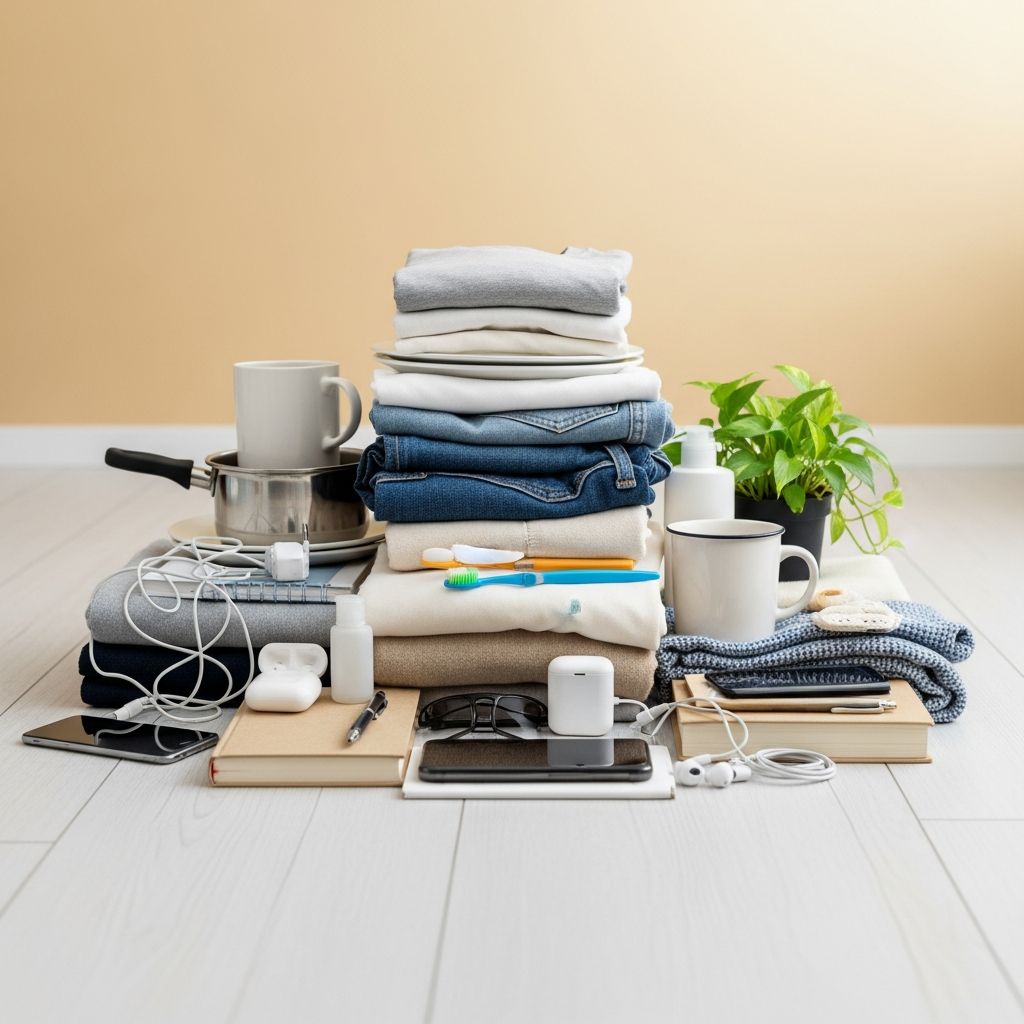
The idea of living with only 100 personal items might sound extreme, but it’s a powerful way to embrace minimalism, reduce clutter, and focus on what truly matters. Popularized by Dave Bruno’s 100 Thing Challenge, this experiment encourages individuals to pare down possessions to exactly 100 items, excluding shared household goods. The goal isn’t rigid restriction but discovering the joy and freedom that comes from owning less. By limiting belongings, participants report less stress, easier cleaning, more financial savings, and greater appreciation for daily life.
Why Take the 100 Thing Challenge?
Minimalism challenges like the 100 Thing Challenge stem from a desire to counteract consumer culture’s excess. In a world bombarding us with advertisements, owning fewer items shifts focus from accumulation to experiences, relationships, and personal growth. Benefits include:
- Financial Freedom: No more impulse buys or storage costs; money once spent on stuff goes toward savings or travel.
- Mental Clarity: Fewer decisions about what to wear or keep reduce decision fatigue.
- Easier Maintenance: Cleaning and organizing take minutes, not hours.
- Environmental Impact: Less consumption means a smaller carbon footprint.
- Increased Gratitude: Cherishing 100 items heightens appreciation for quality over quantity.
Dave Bruno, the challenge’s founder, notes that giving up excess stuff leads to a ‘more valuable life,’ blessing those around you with prioritized meaningful pursuits. Real-world participants, like Courtney Carver of Be More with Less, found it exhilarating, not restrictive, revealing true needs for happiness.
Setting Your Own Rules for Success
There’s no one-size-fits-all approach; customize rules to fit your lifestyle while maintaining the challenge’s spirit. Key principles from successful challengers include flexibility and joy prioritization. Here’s a sample rule set inspired by proven experiments:
- Flexibility Allowed: Swap items anytime; replacements don’t break the challenge. Star potential discards for review.
- Gift Policy: New gifts must replace an existing item—no net gain.
- Grouping Concessions: Count underwear as one item; exclude chargers or household shared items like furniture.
- Personal Only: List covers your belongings, not family or communal goods.
- Complementary Challenges: Pair with wardrobe limits like Project 333 (33 clothing items for 3 months).
- Joy First: If it causes stress, modify or quit—simplicity shouldn’t breed grumpiness.
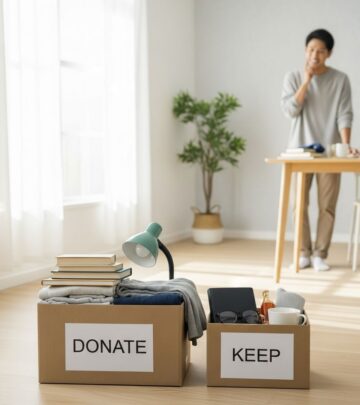
Start by inventorying everything. Box up extras for 3-6 months; donate unmissed items. This ‘out of sight, out of mind’ tactic eliminates ‘what if’ excuses.
A Sample 100-Item List: Clothing Essentials
Clothing often dominates lists, as it’s personal and daily-use. Aim for versatile, high-quality pieces for all seasons. Here’s a categorized breakdown totaling around 50 clothing items from a real challenge:
| Category | Items | Count |
|---|---|---|
| Outerwear | Winter coat, winter vest, trench coat, leather jacket, black rain coat, blue hiking coat | 6 |
| Accessories | Sunglasses, bracelet (gift), cross bracelet, gray/white scarf, green scarf, black pashmina, casual hat, Red Sox hat, winter hat, winter mittens | 10 |
| Activewear | Yoga mat, yoga pants, black undershirt/tank, black hiking/workout shorts, workout shorts, workout shirt (x2), sweatshirt | 8 |
| Sleepwear | Robe, lounge shirt (x2), lounge pants, PJs (cool weather), lingerie (x2), night gown (x2), tank top PJs (warm weather) | 9 |
| Dresses/Skirts | Orange/white dress, green/white dress, blue sleeveless dress, holiday dress, gray maxi skirt/dress, gray short skirt, tweed skirt | 7 |
| Tops/Bottoms | Black wrap short sleeve, black tank, yellow tank, black tank (flower detail), gray ruffle shirt, plaid button down, light blue button down | 7 |
| Long-Sleeve/Layers | Black long-sleeved tissue tee, gray long-sleeved tissue tee, black cardigan, cream cardigan | 4 |
| Blazers/Sweaters | Black blazer, cream blazer, white sweater, green sweater | 4 |
| Swim/Other | Bathing suit, bathing suit cover up, tennis dress | 3 |
This wardrobe supports year-round activities from hiking to formal events, emphasizing multi-use items like versatile coats and tanks.
Electronics and Tech: Keep It Minimal
Modern life requires gadgets, but limit to essentials. Group chargers and prioritize multi-function devices. Sample tech items (about 15 total):
- Laptop + charger
- Phone + charger
- Camera + charger
- External hard drive
- Rosetta Stone headphones, ear buds
- Photo card reader
- Kindle + charger
- 1 book in progress (+ rotating library <10 books)
Tip: Use cloud storage to ditch physical media; one laptop handles work, entertainment, and communication.
Personal Care, Books, and Misc Essentials
Round out the list with hygiene, fitness, and sentimental items (about 20):
- Hygiene: Toothbrush, hairbrush, blow dryer, flat-iron, makeup (grouped).
- Office/Productivity: Office supplies (pens/pencils/paper/paperclips/files), diary (planner/calendar), journal.
- Books/Spiritual: Bible.
- Sports/Recreation: Tennis racquet, bike gear (grouped), ski gear (grouped).
- Bags/Travel: Laptop bag, purse, travel bag.
- Sentimental: Candle set (gift).
Total: Precisely 100, adjustable as needs evolve.
Challenges and How to Overcome Them
Common hurdles include nostalgia, fear of need, and social pressure. Strategies:
- Sentimental Attachments: Photograph items before donating.
- ‘What If’ Syndrome: Borrow or buy secondhand if truly needed later.
- Family Buy-In: Lead by example; share benefits like more family time.
- Boredom: Rotate seasonal items stored away.
If 100 feels overwhelming, start with 200 and halve gradually. Joy trumps numbers.
Financial Benefits of Owning Less
Beyond decluttering, this lifestyle saves money. No laundry overload cuts utility bills; quality items last longer, reducing replacements. Participants redirect savings to debt payoff, travel, or investments. Frugal experiments like buy-nothing challenges amplify savings, proving less spending yields more fulfillment.
Frequently Asked Questions (FAQs)
Q: Is the 100 Thing Challenge realistic for families?
A: Yes, apply per person for personal items; share household goods. Adjust for kids’ needs.
Q: What if I need more than 100 items for work?
A: Group work tools (e.g., office supplies as one); focus on irreplaceables.
Q: How do I maintain the challenge long-term?
A: Review quarterly; replace only when necessary. Treat it as a mindset, not strict count.
Q: Does it include consumables like toiletries?
A: Typically no—focus on durables. Replenish as used without counting.
Q: Can I do this with a capsule wardrobe?
A: Absolutely; integrate Project 333 for clothing subset.
Next Steps to Start Today
1. List all personal items.
2. Categorize and prioritize.
3. Box extras.
4. Track for 30 days.
5. Donate unmissed goods.
Join communities for accountability; many report life-changing clarity.
References
- My 100 Thing Challenge – Be More with Less — Courtney Carver. Accessed 2026. https://bemorewithless.com/my-100-thing-challenge/
- The Buy-Nothing Lifestyle: Lessons from a Frugal Experiment — Wise Bread. Accessed 2026. https://www.wisebread.com/the-buy-nothing-lifestyle-lessons-from-a-frugal-experiment
- Best Money Tips: 100+ Ways to Make $100 Fast — Wise Bread. Accessed 2026. https://www.wisebread.com/best-money-tips-100-ways-to-make-100-fast-0
Similar Articles








Read full bio of medha deb