How to Keep Your Pets Cool During a Heat Wave
Essential tips to protect dogs, cats, and other pets from heatstroke, dehydration, and hot weather dangers this summer.
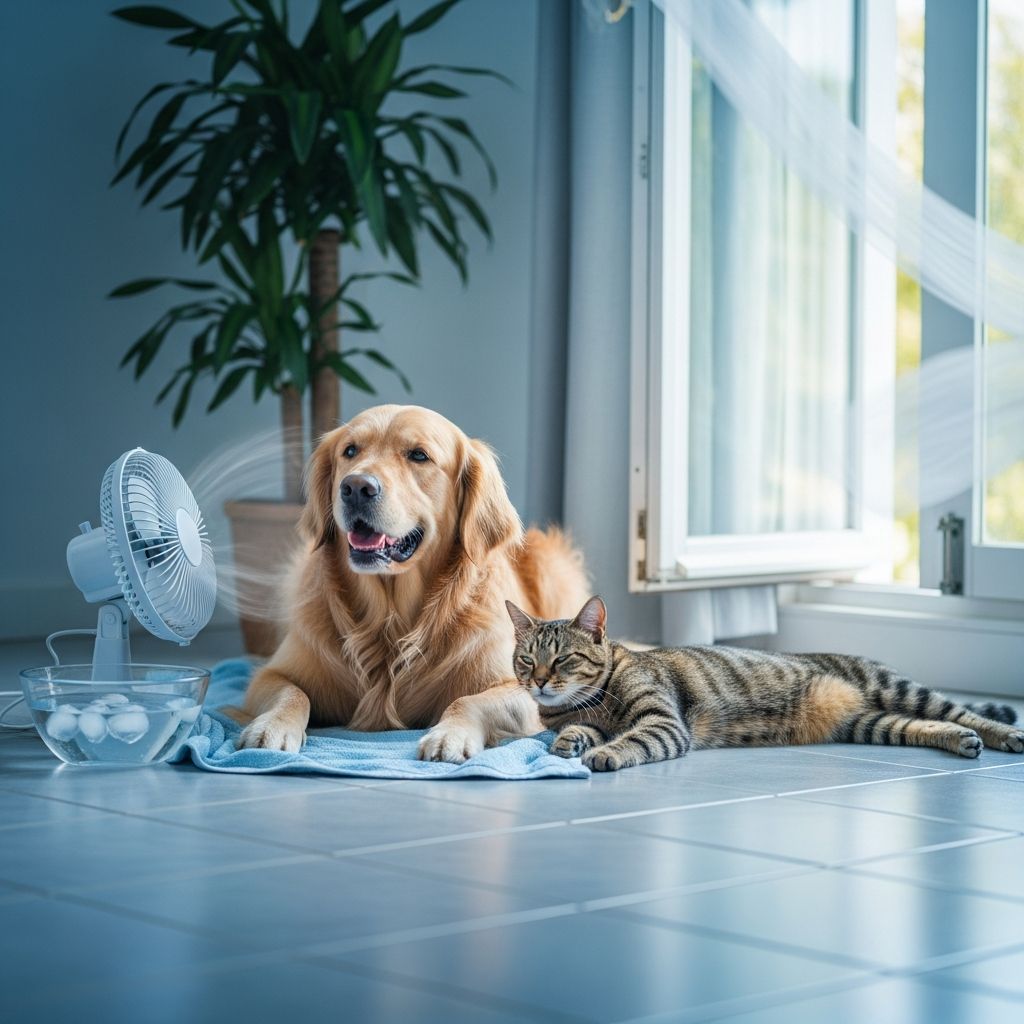
Heat waves pose serious risks to pets, including heatstroke, dehydration, and paw burns. Pets with flat faces like Pugs or Persian cats, the elderly, overweight animals, or those with heart/lung issues are especially vulnerable and should stay in air-conditioned spaces.
Recognize the Symptoms of Overheating
Early detection of heat-related distress can save lives. Watch for heavy panting that doesn’t subside even when resting, brick-red gums, rapid pulse, extreme lethargy, inability to stand, vomiting, or collapse. If rectal temperature exceeds 105°F (40.6°C), it’s heatstroke—cool immediately with hose water until 103°F (39.4°C), then rush to a vet for organ damage prevention.
Never Leave Pets in Parked Cars
Car interiors can reach lethal temperatures rapidly—even with windows cracked. On an 80°F (27°C) day, interiors hit 100°F (38°C) in 10 minutes. This is illegal in many areas and fatal; always take pets indoors or use pet-safe transport.
Provide Plenty of Fresh, Cool Water
Dehydration strikes fast from excessive panting. Offer unlimited access to fresh, cool water in tip-proof bowls. Add ice cubes moderately or provide lickable ice blocks. Monitor intake to avoid overhydration—consult vets for personalized amounts. Avoid pool, ocean, or lake water, which can cause illness.
Offer Shade and Cool Areas
Never tether pets in direct sun. Provide constant shade, fans, AC, or cooler spots like basements with tile floors. Create temperature zones indoors. Short outdoor bursts (10-15 minutes) followed by indoor breaks help regulate body heat.
Grooming Tips for Hot Weather
Trim long-haired dogs but never shave—coat layers insulate against heat and sunburn. Brush cats frequently to remove undercoat and improve airflow. Use pet-safe sunscreen on noses, ears, and thin/light fur areas.
- Trim, don’t shave: Protects skin from UV rays.
- Brush regularly: Prevents matting and overheating.
- Pet sunscreen: Apply as directed to exposed skin.
Protect Paws from Hot Surfaces
Asphalt reaches 125°F (52°C) on 80°F (27°C) days, burning paws. Test pavement with your palm—if too hot for 5 seconds, skip walks. Use dog booties, stick to grass, or exercise at dawn/dusk. Avoid hot concrete, decks, or sand.
| Air Temp (°F/°C) | Surface Temp (°F/°C) | Time to Burn Paws |
|---|---|---|
| 77°F (25°C) | 125°F (52°C) | 60 seconds |
| 86°F (30°C) | 135°F (57°C) | 20 seconds |
| 104°F (40°C) | 200°F (93°C) | <5 seconds |
Sources: PetSmart heat studies.
Adjust Exercise Routines
Limit vigorous activity during peak heat (10 AM-4 PM). Opt for early morning/evening walks on cool grass. Shorten sessions, watch for fatigue. Indoor play or cooling mats provide alternatives.
Fun Ways to Cool Down
Engage pets with cooling toys:
- Ice cube toys: Frozen broth in puzzle toys for licking.
- Frozen treats: Stuff Kongs with peanut butter/yogurt/tuna, freeze.
- Cooling mats/beds: Pressure-activated or elevated for airflow.
- Doggie pools: Shallow, shaded kiddie pools.
- Cooling bandanas/vests: Soak in water for evaporative cooling.
Elevated beds circulate air beneath pets, ideal for patios.
Water Safety Around Pools and Lakes
Supervise constantly—pets drown easily. Introduce water gradually; use life vests on boats. Rinse chlorine/salt post-swim. Provide fresh water to prevent ingestion of contaminated sources.
Secure Windows and Avoid Falls
Close unscreened windows/doors; secure screens tightly. Curious pets fall from heights seeking cool air.
Garden and Yard Precautions
Remove toxic plants (lilies, azaleas). Keep pets off treated lawns until dry/watered. Use pet-safe pest control.
Special Considerations for Vulnerable Pets
Brachycephalic (flat-faced) breeds pant inefficiently. Seniors, obese pets, or those with health issues need extra AC time. Annual vet checkups catch risks early.
What to Do If Heatstroke Occurs
Act fast:
- Move to shade/AC.
- Start car AC for vet trip.
- Cool with room-temp water spray/towels on head, neck, paws, belly (no ice).
- Avoid forcing water.
- Rush to vet—damage progresses quickly.
Frequently Asked Questions (FAQs)
Can I shave my dog to keep them cool?
No—shaving removes protective coat layers, risking sunburn/overheating. Trim excess fur instead.
How hot is too hot for dog paws?
If pavement burns your hand in 5 seconds, it’s too hot. On 80°F days, asphalt hits 125°F.
What are heatstroke signs in cats?
Panting (rare in cats), lethargy, red gums, drooling, vomiting. Cool immediately and see vet.
Is ice water safe for pets?
Moderation—add cubes to fresh water. Too much cold shocks systems; monitor intake.
Do overweight pets need special heat care?
Yes—they overheat faster. Limit exercise, prioritize shade/AC, consult vet for weight plans.
Long-Term Preparation
Schedule pre-summer vet visits for health checks. Stock cooling gear: booties, mats, pools. Train pets for water safety. Monitor weather apps for heat alerts. These habits ensure year-round safety.
By following these guidelines, pet owners can prevent tragedies. Heat waves are predictable—proactive care keeps tails wagging safely.
References
- How to Keep Pets Safe When Temperatures Rise — American Red Cross. 2023-06-15. https://www.redcross.org/about-us/news-and-events/news/keep-pets-safe-in-hot-weather.html
- Safety Tips for Pets During a Heatwave — PetSmart. 2024-05-20. https://www.petsmart.com/learning-center/dog-care/safety-tips-for-pets-during-a-heatwave/A0273.html
- Hot Weather Safety — Wisconsin Humane Society. 2023-07-01. https://www.wihumane.org/behavior/ask-the-experts/dogs/hot-weather-safety
- Beyond the Basics: Heat Safety Tips for Pet Owners — American Animal Hospital Association (AAHA). 2024-06-10. https://www.aaha.org/resources/beyond-the-basics-heat-safety-tips-for-pet-owners/
- Hot Weather Safety Tips — ASPCA. 2024-04-22. https://www.aspca.org/pet-care/general-pet-care/hot-weather-safety-tips
- Warm Weather Pet Safety — American Veterinary Medical Association (AVMA). 2024-05-01. https://www.avma.org/resources-tools/pet-owners/petcare/warm-weather-pet-safety
- Protecting Your Pet During Hot Weather — California Department of Public Health (CDPH). 2023-08-12. https://www.cdph.ca.gov/Programs/EPO/Pages/Extreme%20Heat%20Pages/BI_Natural-Disasters_Extreme-Heat_Protect-your-Pet.aspx
Similar Articles








Read full bio of medha deb