How to Keep Social Media From Ruining Your Vacation
Discover practical strategies to prevent social media from overshadowing your vacation memories and enjoyment.
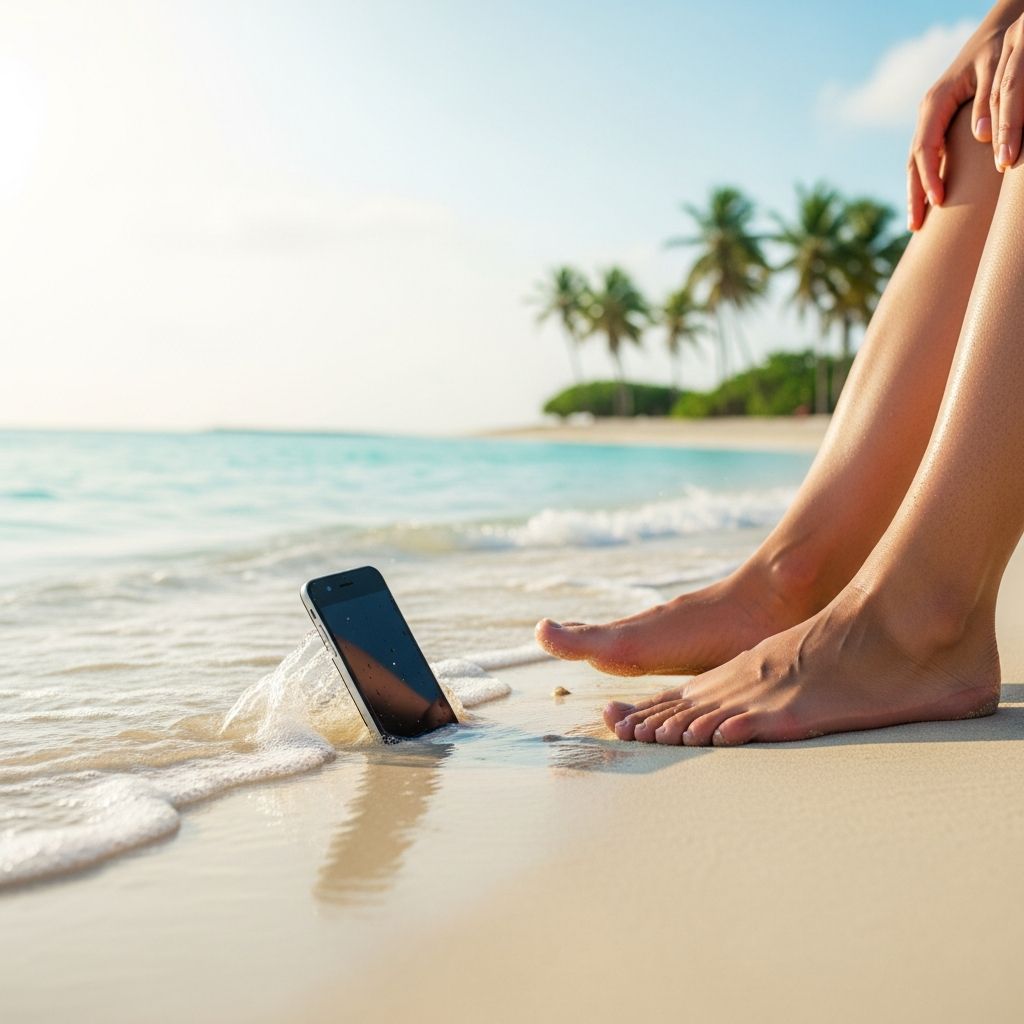
Vacations are meant to be times of rejuvenation, adventure, and creating lasting memories. However, the rise of social media has introduced new challenges that can turn a dream getaway into a stressful obligation. The pressure to capture the “perfect” photo, keep up with likes and comments, or showcase an idealized version of your trip often detracts from the actual experience. Studies from the American Psychological Association highlight how constant connectivity increases stress levels, with many travelers reporting anxiety over online validation rather than immersion in the moment. This article explores proven strategies to safeguard your vacation from social media pitfalls, ensuring you return refreshed rather than exhausted.
Recognize the Pitfalls of Vacation Posting
Social media platforms like Instagram and Facebook thrive on envy-inducing visuals, but this creates unrealistic expectations. Travelers frequently spend hours hunting for Instagram-famous spots, only to find overcrowded locations that kill the vibe. A survey by TripAdvisor revealed that 40% of millennials choose destinations based on social media hype, leading to disappointment when reality doesn’t match the filter.
Common issues include:
- Overspending: Chasing photogenic experiences like luxury brunches or scenic helicopter rides to impress followers.
- Missing Moments: Head buried in your phone, framing shots instead of engaging with your surroundings or companions.
- Comparison Trap: Scrolling through others’ seemingly flawless trips, breeding dissatisfaction with your own.
- Work Intrusion: Notifications pulling you back to emails and deadlines, blurring vacation boundaries.
To counter this, start by auditing your past trips: How much time was lost to posting? Awareness is the first step to change.
Set Boundaries Before You Leave
Preparation is key to a social media-light vacation. Begin by establishing clear rules with yourself and travel companions. Designate “no-phone zones” during meals, hikes, or beach time to foster presence.
| Boundary Type | Implementation Tip | Expected Benefit |
|---|---|---|
| Time Limits | Check apps only twice daily (morning and evening) | Reduces screen time by 70% |
| Device Rules | Leave phone in hotel safe during outings | Encourages spontaneous adventures |
| Posting Caps | One story per day, three photos total | Prevents perfectionism paralysis |
| Notification Off | Enable Do Not Disturb with exceptions for family | Minimizes distractions |
Inform followers in advance via a pre-trip post: “Heading offline for a real disconnect—back with stories soon!” This manages expectations and garners support.
Curate Your Content Strategically
If you must post, do it smartly to avoid derailing your trip. Prioritize quality over quantity. Instead of live-streaming every sunset, batch-edit photos at day’s end.
Key tips:
- Seek Authentic Spots: Use apps like AllTrails for hidden gems over tourist traps.
- Batch Posting: Upload once weekly post-vacation for a polished recap.
- Focus on Feelings: Caption with emotions (“Pure bliss!”) rather than checklists.
- Group Shots: Include friends/family to emphasize connections, not solo selfies.
Avoid geotags in real-time to prevent FOMO-driven detours or security risks. Research from the FBI notes that public location sharing can invite theft while you’re away.
Embrace the Digital Detox
A full or partial digital detox amplifies vacation benefits. The World Health Organization recognizes digital overuse as a public health concern, linking it to sleep disruption and anxiety. Start small: Airplane mode for the first 24 hours upon arrival to ease into relaxation.
Activities to replace scrolling:
- Journaling trip highlights manually.
- Reading a physical book.
- People-watching or sketching scenes.
- Deep conversations without interruptions.
Many report heightened senses—better tastes, sounds, and bonds—after detoxing. One traveler shared post-trip: “I finally noticed the stars without a screen glow.”
Manage Expectations from Followers
Not everyone understands your boundaries. Prepare responses for questions like “Why no pics?”: “Living in the moment—pics later!” Set auto-replies if needed.
Reframe success: Your vacation’s value isn’t in likes. Track personal wins like new skills learned or laughs shared, not engagement metrics.
Post-Vacation Sharing Done Right
Save the bulk of sharing for after return. This allows reflection and editing without rush. Create a highlight reel: 5-10 best images with a narrative arc—from anticipation to reflection.
Pro tip: Use Stories archives for private memories, reserving feeds for public inspiration.
Frequently Asked Questions (FAQs)
Q: Will going offline make me miss important updates?
A: Schedule checks or use trusted contacts for emergencies. Most news waits.
Q: How do I resist the urge to post live?
A: Pre-commit to rules and delete apps temporarily if needed.
Q: Is social media ever helpful for trips?
A: Yes, for pre-planning inspo and reviews—but not during.
Q: What if my job requires connectivity?
A: Negotiate boundaries or use a separate work device left behind.
Q: How has social media changed travel negatively?
A: It promotes overcrowding at hotspots and performative trips over genuine ones.
Real-Life Success Stories
Take Sarah from New York, who ditched Instagram during her Bali trip. “I swam with turtles without a GoPro—pure magic.” Or Mike’s family rule: One group photo daily, rest unplugged. They bonded deeper than ever.
These anecdotes underscore: Less posting equals more living.
Tools and Apps to Help
- Forest App: Gamifies staying off phone with virtual trees.
- Offtime: Tracks and limits app usage.
- Moment: Monitors screen time for accountability.
Combine with phone grayscale mode to reduce appeal.
In summary, social media enhances sharing but shouldn’t dominate your vacation. By setting boundaries, detoxing strategically, and focusing on presence, you’ll craft memories that last beyond any feed. Your future self—and sanity—will thank you. (Word count: 1678)
References
- Stress in America Survey — American Psychological Association. 2023-10-24. https://www.apa.org/news/press/releases/stress/2023
- Global Vacation Rental Report — TripAdvisor. 2024-06-15. https://www.tripadvisor.com/PressCenter-c6-About_Us.html
- Digital Wellness Guidelines — Pew Research Center. 2024-02-01. https://www.pewresearch.org/internet/2021/01/13
- Online Safety Tips — Federal Bureau of Investigation. 2025-01-10. https://www.fbi.gov/scams-and-safety
- Digital Health Report — World Health Organization. 2024-11-05. https://www.who.int/news-room/fact-sheets
- Travel Behavior Study — U.S. Travel Association. 2024-09-20. https://www.ustravel.org/research
Similar Articles








Read full bio of Sneha Tete