How to Keep Your Pets Safe During a Natural Disaster
Essential strategies and preparations to protect your pets when disaster strikes.

Natural disasters strike without warning, and pet owners face a critical responsibility: ensuring their animals’ safety during hurricanes, earthquakes, floods, tornadoes, and other emergencies. Unlike humans who can understand and prepare for danger, pets depend entirely on their owners for protection. According to the CDC, leaving pets out of evacuation plans can put pets, pet owners, and first responders in danger, and pets left behind during a disaster are likely to be injured or lost. This comprehensive guide walks you through every step of disaster preparedness for your animal companions.
Why Pet Disaster Planning Matters
Many pet owners mistakenly believe their animals will be safe if left behind during evacuation. This assumption is dangerous. Pets can become disoriented during crises and wander away from home, potentially becoming trapped, injured, or exposed to life-threatening hazards like contaminated water, downed power lines, chemical spills, and extreme weather. If it isn’t safe for you, it isn’t safe for your pets. Emergency preparedness is not optional—it’s an essential responsibility of pet ownership.
Step 1: Create an Evacuation Plan
The foundation of pet safety during disasters is having a predetermined evacuation plan. This plan must identify specific locations where you and your pets can shelter if your home becomes uninhabitable.
Identify Multiple Evacuation Options
- Out-of-town friends or family: Ask trusted contacts in advance if your pets can stay with them during an emergency. Confirm this arrangement in writing.
- Pet-friendly hotels: Research and bookmark pet-friendly hotels along evacuation routes in your region. Many chains now accept pets during emergencies.
- Boarding facilities and animal hospitals: Locate boarding facilities or veterinary hospitals near your evacuation shelter in case you cannot return home immediately.
- Local animal shelters: Contact your local animal shelter to learn whether they provide disaster shelter services for pet owners.
- Veterinary clinics: Identify veterinary clinics in areas where you may seek temporary shelter and add their contact information to your emergency kit.
The ASPCA recommends having at least two backup evacuation options in case your first choice becomes inaccessible. Never rely on a single plan.
Important Note About Public Shelters
It’s critical to understand that most local emergency shelters and Red Cross evacuation centers do not accept pets unless they are certified service animals. This is a major reason why advance planning is essential. If accommodations for pets are needed, you must have already identified private alternatives.
Step 2: Establish a Buddy System
Create a neighbor buddy system as backup in case you’re not home when disaster strikes. Identify a trusted neighbor who can check on your animals and evacuate them if necessary. This system ensures your pets won’t be left behind if you’re at work, school, or away from home when an emergency occurs.
Step 3: Display a Rescue Alert Sticker
Install an emergency pet alert sticker on or near your front door, visible to rescue workers. This sticker should include:
- The types of pets in your home
- The number of each type of pet
- Your veterinarian’s name and phone number
- If you evacuate, write “EVACUATED” across the sticker so rescuers know pets are not inside
The ASPCA provides free emergency pet alert stickers through their website; your local pet supply store may also sell similar stickers.
Step 4: Build a Comprehensive Pet Disaster Kit
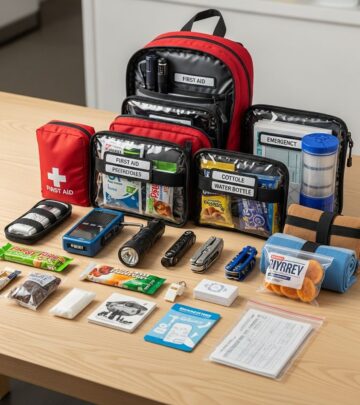
An emergency kit for your pets should be stored near an exit, clearly labeled, and easy to carry. Ensure all family members know where it is located. Include the following items:
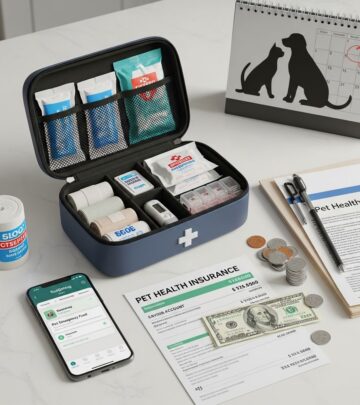
Essential Documents and Records
- Recent color photographs of each pet (in case you’re separated and need to create “Lost” posters)
- Photocopies and/or USB copies of medical records
- Vaccination records
- Microchip identification numbers and registration information
- Proof of ownership documents
Food, Water, and Medications
- At least seven days’ worth of bottled water for each pet (store in a cool, dry place and replace every two months)
- At least one to two weeks’ worth of pet food in sealed, waterproof containers
- Two-week supply of any medications your pet requires in a waterproof container
- Note: Rotate food and medications out of your emergency kit regularly so they don’t spoil or become expired
- Pet feeding dishes and water bowls
Safety and Comfort Items
- A traveling bag, crate, or sturdy carrier (ideally one for each pet)
- Extra collar or harness and extra leash
- Flashlight
- Blankets or towels
- Toys and chew toys (especially for dogs)
- Disposable garbage bags for cleanup
Pet-Specific Items
For cats:
- Pillowcase for transport
- Litter box and scoop-able litter
- Toys and comfort items
For dogs:
- Extra leash and toys
- One week’s worth of cage liner
- Muzzle (if your dog might bite when stressed)
For reptiles:
- Catch net and heavy towel or blanket to cover cage
- Cage liner
- For snakes: Secure permanent housing at your evacuation destination; they can be transported in a pillowcase temporarily
- For all reptiles: Sturdy bowl for soaking, heating pad or hot water bottle for warmth
- For lizards: Transport like birds in a secure carrier
Step 5: Prepare Your Home as a Shelter
If sheltering in place is necessary, your home must have a safe room designated for your pets.
Selecting a Safe Room
Choose an interior room with no windows or as few windows as possible, such as:
- Bathrooms
- Utility rooms
- Basements (if not at risk of flooding)
- Interior hallways
Prepare the Safe Room
- Remove toxic chemicals, plants, and other hazards
- Close off small areas where frightened cats could hide and become trapped (vents, spaces beneath furniture)
- Ensure access to fresh water is available
- Fill bathtubs and sinks with water ahead of time in case electricity is lost during the disaster
- Stock food, water, medications, litter boxes, and comfort items
- Choose easy-to-clean areas that can be quickly sanitized
Step 6: Train Your Pets for Evacuation
Practice is essential. Train your pets to feel comfortable in their carriers and crates before an emergency occurs.
Training Steps
- Make carriers a comfortable, positive space by leaving them open and rewarding your pet for entering voluntarily
- Practice short car rides to desensitize your pet to travel
- Know where your pet might hide when stressed or frightened, and practice catching them if needed
- For cats specifically: Practice removing your cat from hiding spots using a carrier, pillowcase, or sturdy box
- Conduct family evacuation drills where everyone practices grabbing pets and going to your designated meeting point
- Have your entire family participate so everyone knows what to take and where to find the pets
Note that cats and outdoor dogs may flee during emergencies, even if they normally stay close to home. Never assume your pet will wait for you.
Step 7: Maintain Updated Medical Records and Identification
Microchipping and current ID tags are your best tools for reuniting with lost pets.
- Ensure your pet is microchipped and registration information is current
- Update ID tags with current phone numbers
- Keep vaccination records (especially rabies) accessible in your emergency kit
- Take recent photographs of each pet for identification purposes if separation occurs
What to Do During an Emergency
Immediate Actions
- Bring all pets indoors at the first sign or warning of a storm or disaster
- Pets can become disoriented and wander away during crises
- Never leave a pet chained outdoors during any emergency
- Ensure all pets are accounted for before evacuation
During Evacuation
- Transport pets in carriers or on leashes to prevent escape
- Take your complete pet emergency kit
- Contact your local emergency management office to ask about pet-friendly shelter accommodations
- Bring your pet’s medications, food, water, and comfort items
- Keep pets on leash or in carriers at all times, even if they normally roam freely
Sheltering at Your Evacuation Location
- Keep your pet in a carrier or on a leash; pets may behave unpredictably during stressful situations
- Maintain your pet’s normal feeding schedule if possible
- Provide regular bathroom breaks for dogs in a secure area
- Keep your pet away from other animals, especially wildlife and stray animals
- Monitor your pet for signs of stress or illness
Health and Safety During Disasters
Disease Prevention
- Keep your pet up to date on all vaccinations and heartworm, flea, and tick medications before disaster season
- Wash your hands after handling your pet, its food, or waste
- Do not allow your pet to lick your face or hands
- Properly clean and disinfect cages and litter boxes
- Wash your pet’s bedding regularly
Water and Contamination Safety
- Avoid stagnant water, especially after flooding from natural disasters
- Do not allow pets to play in or drink from contaminated water sources
- Provide bottled water from your emergency kit
Safe Handling During Stress
- Practice safe handling of your pet because they may behave differently during stressful situations
- Be prepared for aggression or fear responses
- Report any bite wounds to medical personnel immediately
After the Disaster: Recovery and Return Home
Immediately After Emergency
- Keep pets on leash or in carriers when transporting or going outside; familiar surroundings may have changed and pets can become confused and lost
- Watch for wildlife and downed power lines as hazards
- Separate your pets from other animals until you’re sure they’re uninjured
Before Returning Home
- Check your home thoroughly for sharp objects, spilled chemicals, and exposed wiring that could harm your pets
- Remove debris and broken glass
- Restore utilities safely before allowing pets inside
Behavioral Changes After Disasters
The behavior of animals may change dramatically after flooding, hurricanes, or other severe weather. Normally quiet and friendly animals may become irritable. Monitor your pets closely and only release them in a safe and secure environment.
Post-Disaster Veterinary Care
- Contact a veterinarian if you notice any signs of stress, discomfort, or illness in your pets
- Have your pets examined for injuries, infections, and parasites
- Discuss behavioral changes with your veterinarian
- Update vaccinations if your pet may have been exposed to wildlife or contaminated water
Frequently Asked Questions About Pet Disaster Preparedness
Q: What if I can’t find a pet-friendly evacuation location?
A: Contact your local veterinary clinics, animal hospitals, and humane society immediately. Some regions establish temporary pet shelters during major disasters. Your buddy system neighbor may also be able to help. As a last resort, contact your local emergency management office to ask about available resources.
Q: Should I leave my pet behind if I’m forced to evacuate quickly?
A: Never. If it isn’t safe for you, it isn’t safe for your pets. Take your pets with you whenever possible. If you absolutely cannot leave due to safety constraints, contact your buddy system neighbor or local animal control to request emergency assistance.
Q: How often should I update my emergency kit?
A: Check your emergency kit every six months. Replace expired medications, rotate out old food, refresh water supplies (replacing every two months), and update photos of your pets. Ensure all documents and contact information remain current.
Q: Are there specific preparations for exotic pets?
A: Yes. Reptiles, birds, small rodents, and other exotic pets have unique needs. Maintain proper temperature control with heating devices or blankets, secure transport containers, specific food and substrate, and veterinary records. Consult your exotic pet veterinarian about species-specific disaster preparations.
Q: What documents should I keep in my emergency kit?
A: Keep recent photos, medical records, vaccination records, microchip numbers, proof of ownership, and your veterinarian’s contact information. Store copies on a USB drive and in waterproof containers.
Q: How can I help my pet feel safe during the emergency?
A: Maintain normal routines when possible, provide comfort items and toys, keep your pet in a secure carrier or on a leash, speak in calm tones, and monitor for signs of stress. Contact your veterinarian if your pet shows severe anxiety or behavioral changes.
References
- Disaster Preparedness — American Society for the Prevention of Cruelty to Animals (ASPCA). 2025. https://www.aspca.org/pet-care/general-pet-care/disaster-preparedness
- Be Prepared: Pet Safety in Emergencies — Centers for Disease Control and Prevention (CDC). 2024. https://www.cdc.gov/healthy-pets/emergency-preparedness/index.html
- A Small Pet Owner’s Guide To Disaster Preparedness — Texas A&M College of Veterinary Medicine & Biomedical Sciences. 2024. https://vetmed.tamu.edu/news/pet-talk/small-pet-owner-guide-to-disaster-preparedness/
- How to Prepare Your Pet for a Natural Disaster: A Complete Guide — Peak City Veterinary Hospital. 2025. https://peakcityvet.com/how-to-prepare-your-pet-for-a-natural-disaster-a-complete-guide/
- Pets and Disasters — American Veterinary Medical Association (AVMA). 2024. https://www.avma.org/resources-tools/pet-owners/emergency-care/pets-and-disasters
Similar Articles








Read full bio of medha deb