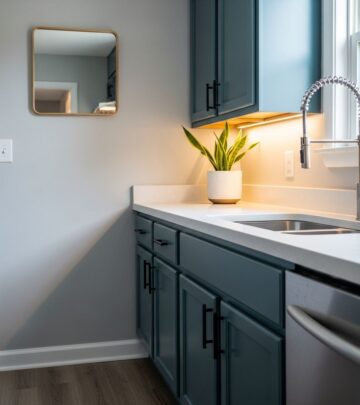
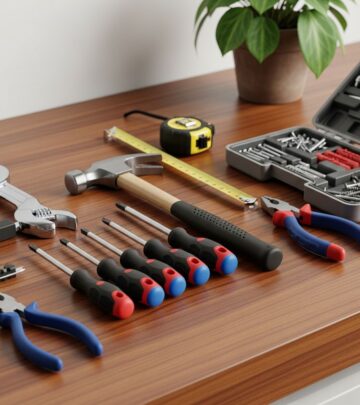
Keep Home Projects From Busting Your Budget
Master budget control for home improvements: avoid scope creep, plan wisely, and save big on renovations without financial stress.

Home improvement projects can transform your living space, boost property value, and enhance daily life. However, without careful planning, they often spiral out of control financially. Scope creep—where small additions turn into major expenses—can bust even the most conservative budgets. This guide covers proven strategies to maintain control, drawing from frugal living principles and real-world tactics to deliver results on time and within limits.
Plan Thoroughly Before Starting
The foundation of any successful home project is meticulous planning. Rushing into renovations without a clear roadmap invites unexpected costs. Start by defining your goals: Do you need a full kitchen overhaul or just cosmetic updates? Assess your space, list must-haves versus nice-to-haves, and prioritize based on impact and necessity.
Create a detailed project timeline. Break it into phases—demolition, installation, finishing—and assign realistic durations. Factor in weather delays for outdoor work or supply chain issues for materials. Use free tools like spreadsheets or apps to track progress.
- Research local building codes early to avoid fines or redo work.
- Visit showrooms or online catalogs for material samples, noting prices and availability.
- Consult neighbors or online forums for insights on similar projects in your area.
A thorough plan not only saves money but reduces stress. According to financial experts, projects with written plans are 20-30% less likely to overrun budgets.
Set a Realistic Budget and Stick to It
Determining your budget starts with calculating total affordability. Tally savings, home equity lines, or low-interest loans, but aim to pay cash where possible to avoid debt. Allocate funds wisely: 50-60% for materials, 20-30% for labor, 10-20% for permits/tools, and crucially, 10-20% contingency for surprises.
| Budget Category | Recommended Allocation | Example for $10,000 Project |
|---|---|---|
| Materials | 50-60% | $5,000-$6,000 |
| Labor | 20-30% | $2,000-$3,000 |
| Permits/Tools | 10-20% | $1,000-$2,000 |
| Contingency | 10-20% | $1,000-$2,000 |
Track every expense in real-time. Use envelopes for cash allocations or apps like Mint for digital monitoring. Review weekly to catch overruns early. If costs creep up, cut non-essentials first.
Avoid Scope Creep
Scope creep is the silent budget killer. That ‘quick’ wall paint job becomes a full room redesign after discovering outdated wiring. Combat it by documenting your original plan in writing and getting sign-off from all decision-makers, including family.
- Say no to impulse changes: Implement a 24-hour rule before approving additions.
- Use change orders for any modifications, detailing extra costs and time.
- Visualize with mood boards to satisfy creative urges without altering the core project.
Professionals note that scope creep accounts for up to 40% of budget overruns in residential projects. Sticking to the plan ensures completion without financial regret.
Shop Smart for Materials and Supplies
Hunting for deals maximizes savings without sacrificing quality. Compare prices across big-box stores, local suppliers, and online retailers. Time purchases for sales events like Black Friday or end-of-season clearances.
Consider reclaimed materials from salvage yards or Habitat for Humanity ReStores for unique, low-cost options. Bulk buying works for paint or lumber, but calculate needs precisely to avoid waste.
- Check for manufacturer rebates and loyalty programs.
- Haggle at local shops, especially for large orders.
- Rent tools instead of buying unless you’ll reuse them often.
DIY enthusiasts report 30-50% savings through smart shopping. Always verify compatibility and quality to prevent costly replacements.
Weigh DIY vs. Hiring Professionals
Deciding between DIY and pros hinges on skills, time, and value. DIY shines for simple tasks like painting or minor repairs, saving 50-70% on labor. Calculate your hourly worth: If a task takes you 10 hours at your $25/hour effective rate, that’s $250—compare to pro quotes.
However, complex jobs like electrical or plumbing demand experts to avoid hazards and code violations. Pros work faster, spot issues early, and provide warranties.
| Factor | DIY Pros | DIY Cons | Pro Pros | Pro Cons |
|---|---|---|---|---|
| Cost | Low labor | Tools/time | Expert quality | High labor |
| Time | Flexible | Slower | Fast | Less control |
| Risk | Learning opp. | Errors/codes | Safe/compliant | Coordination |
For most, hybrid approaches—DIY cosmetics, pro for structure—balance savings and sanity.
Maximize Return on Investment
Not all improvements pay off equally. Focus on high-ROI updates: minor kitchen remodels recoup 70-80%, siding replacements 60-70%, and curb appeal boosts like doors/windows 60-90% upon resale. Avoid over-improving for your neighborhood—luxury baths in modest homes rarely recover costs.
- Prioritize energy-efficient upgrades for long-term savings (e.g., insulation, windows).
- Enhance functionality over flash: Better lighting beats fancy fixtures.
- Track ROI with tools from Remodeling Magazine’s Cost vs. Value report.
Strategic choices ensure projects enhance livability and equity without waste.
Manage Project Timeline Effectively
Delays inflate costs through extended tool rentals, temporary housing, or lost wages. Build buffers into schedules and sequence tasks efficiently—order materials ahead, schedule subs promptly.
Weekly check-ins keep momentum. For large projects, Gantt charts visualize dependencies.
- Start small to build confidence.
- Celebrate milestones to stay motivated.
- Have backup plans for supply shortages.
Handle Permits and Inspections Properly
Skipping permits risks fines up to thousands and resale issues. Research requirements via local government sites. Budget for fees and schedule inspections promptly to avoid hold-ups.
Pros often handle this seamlessly; DIYers should double-check DIY compliance.
Prepare for the Unexpected
Hidden issues like rot or asbestos lurk in older homes. Your contingency fund covers these. Get pre-project inspections for peace of mind.
Insure against accidents with homeowner policies or riders.
Frequently Asked Questions (FAQs)
What is scope creep in home projects?
Scope creep occurs when minor changes accumulate, expanding the project beyond original plans and budget, often leading to 30-50% overruns.
Is DIY always cheaper?
Not always—factor time, tools, and error risks. DIY suits simple tasks; pros excel in skilled trades.
How much contingency should I allocate?
10-20% of total budget covers surprises like material hikes or structural finds.
Which improvements offer best ROI?
Kitchen/bath updates, exterior siding, and entry doors recoup 60-90% on resale.
Can I save by shopping sales?
Yes, timing for holidays or clearances yields 20-40% discounts on materials.
Final Tips for Budget Success
Document everything, communicate clearly, and pause if overwhelmed. Home projects should excite, not exhaust. With discipline, you’ll enjoy upgrades affordably.
References
- Five Tactics for Pursuing Voluntary Simplicity — J.D. Roth, foldedspace.org. 2008-05-15. https://jdroth.com/five-tactics-for-pursuing-voluntary-simplicity/
- Home Improvements That Pay Off — Wise Bread. Accessed 2026. https://www.wisebread.com/home-improvements-that-pay-off
- Recoup More of Your Investment: 8 Home Improvements That Add the Most Value — Wise Bread. Accessed 2026. https://www.wisebread.com/recoup-more-of-your-investment-8-home-improvements-that-add-the-most-value
Similar Articles








Read full bio of medha deb