How to Keep Food Waste from Spoiling Your Budget
Practical strategies to minimize household food waste, save hundreds annually, and protect your wallet from unnecessary spoilage losses.
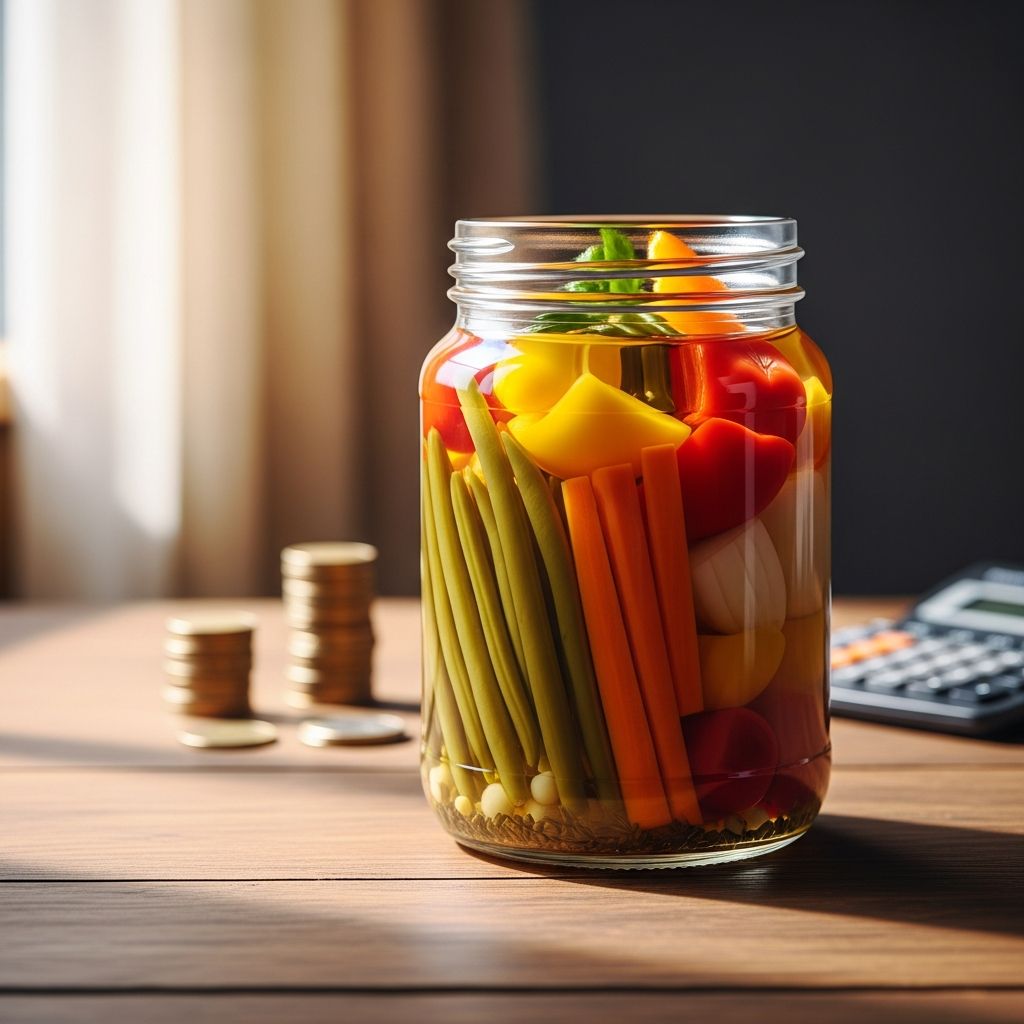
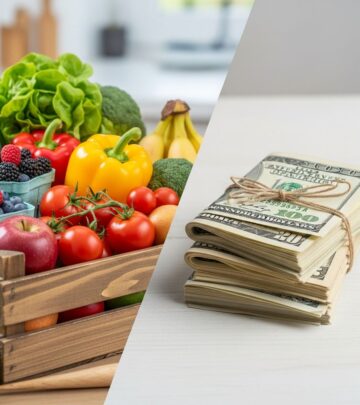
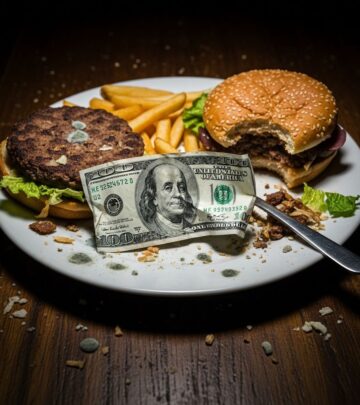
Food waste is a silent budget killer affecting millions of households. In the U.S., residential sectors generate over 42 million tons of food waste annually, with households losing an average of $728 per person or $2,913 for a family of four each year, equivalent to 11% of food expenditures.This massive loss primarily stems from spoilage, over-purchasing, and poor storage, costing the nation billions while contributing to environmental harm through greenhouse gas emissions. Prepared foods lead losses at $70.9 billion, followed by dry goods ($49.5B) and produce ($42.8B).
Globally, food loss and waste account for 8-10% of annual greenhouse gas emissions and cost $1 trillion economically. The U.S. aims to halve food waste by 2030 via FDA, EPA, and USDA strategies. By adopting simple habits, you can reclaim $1,500-$3,000 yearly, redirecting funds to savings or essentials. This guide covers planning, shopping, storage, usage, and more to eliminate waste.
Make a Meal Plan and Shopping List
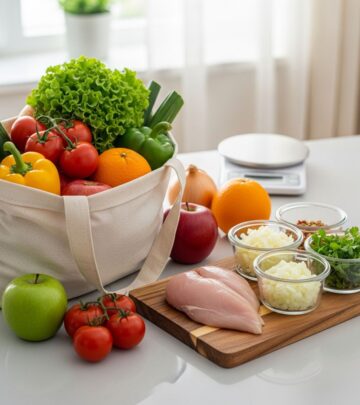
The foundation of waste reduction starts with intentional planning. Without a meal plan, households overbuy by 20-30%, leading to spoilage. Create a weekly meal plan based on your calendar—consider busy nights for quick meals and weekends for elaborate ones. Inventory your pantry, fridge, and freezer first to avoid duplicates.
- Assess inventory: Spend 10 minutes listing staples like rice, canned goods, and frozen items. Note expiration dates on perishables.
- Theme your week: Meatless Monday, Taco Tuesday—build variety around sales flyers.
- Portion realistically: Plan servings per person, accounting for leftovers. A family of four might plan 3 dinners yielding 2 lunches each.
Use apps like Mealime or AnyList for digital lists synced across devices. Studies show planned shoppers waste 25% less food. Stick to your list 90% of the time to curb impulse buys, which cause 40% of waste.
Shop Smart: Buy Only What You Need
Grocery shopping without strategy amplifies waste. U.S. consumers waste 30-40% of food supply, with households topping sectors. Adopt these tactics:
| Strategy | Benefit | Example Savings |
|---|---|---|
| Shop perimeter first | Fresh produce, dairy last | Reduces spoilage by 15% |
| Buy in bulk selectively | Non-perishables only | $200/year on staples |
| Choose loose over pre-packaged | Exact quantities | Halves produce waste |
| Check unit prices | Best value per ounce | 10-20% cheaper |
| Avoid BOGO traps | Only if you’ll use both | Prevents $100+ loss |
Shop mid-week for freshest produce and markdowns. Never shop hungry—hunger boosts spending 20% and poor choices. For high-waste items like meat ($133/person/year) and fresh veggies ($59), buy smaller packs or freeze extras immediately.
Store Food Properly to Extend Shelf Life
Improper storage causes $69.8 billion in annual spoilage. Organize your kitchen for longevity:
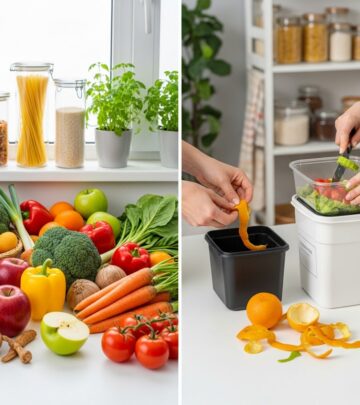
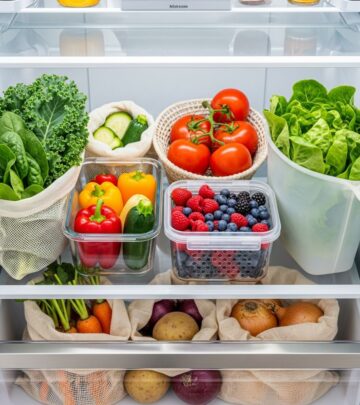
- Fridge zones: Produce in high-humidity drawers (leafy greens), low-humidity for fruits (apples, berries). Dairy top shelf, meats bottom to avoid drip.
- Produce tips: Wrap greens in damp towel in perforated bag; store herbs in water like flowers. Ethylene producers (bananas, tomatoes) away from sensitive items (lettuce).
- Pantry FIFO: First In, First Out—rotate stock. Use clear bins for visibility.
- Freeze smart: Portion into meals; label with dates. Bread, herbs, milk freeze well.
Invest in reusable silicone bags and beeswax wraps to replace plastic, extending life 2-3x. Check temps: fridge 37°F, freezer 0°F.
Use Your Leftovers Creatively
Leftovers represent 25% of waste potential but can save $500/year if repurposed. Transform them:
- Frittatas/Quiches: Veggies, meats, cheese into egg bakes.
- Stir-fries/Fried rice: Proteins, rice, wilting veggies.
- Soups/Stews: Bones, scraps simmered.
- Casseroles: Mix-ins with binders like cream of mushroom.
- Smoothies/Sauces: Soft fruits blended.
Store leftovers in clear glass containers upfront for visibility. Eat within 3-4 days or freeze. Track ‘use-it-up’ meals weekly.
Understand Food Labels and Dates
Date labels confuse 80% of consumers, causing premature tosses. Key terms:
| Label | Meaning | Action |
|---|---|---|
| Sell By | Store display peak | Buy before, use after OK |
| Use By/Best By | Manufacturer peak quality | Safe beyond usually |
| Expiration | Rare; safety for infants | Do not use past |
Use senses: Smell, look, taste. USDA notes most ‘expired’ food is safe days/weeks later.
Compost What You Can’t Eat
Even with best efforts, scraps occur. Composting diverts 30% of trash, enriching soil without landfill methane. Start:
- Bin setup: Kitchen counter compost pail; backyard tumbler.
- Greens/Browns: Veggies, coffee (greens); leaves, paper (browns) 1:2 ratio.
- No-nos: Meat, dairy, oils attract pests.
- Urban options: Municipal programs or worm bins.
Compost reduces household waste footprint, yielding free fertilizer.
Track Your Waste and Adjust Habits
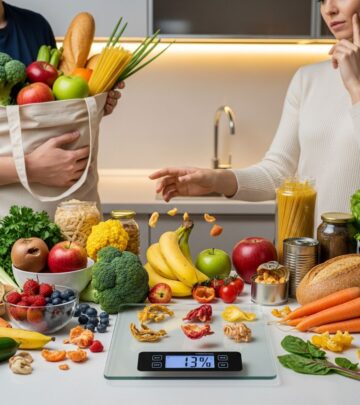
Monitor to improve: Weigh weekly trash food or photo-log. Apps like Too Good To Go or NoWaste track patterns. Aim for <5% waste. Adjust based on data—e.g., buy less milk if spoiling.
Frequently Asked Questions (FAQs)
Q: How much does the average family waste on food?
A: $2,913 annually for a family of four, or $56 weekly, per EPA data.
Q: What food category wastes the most money?
A: Prepared foods ($70.9B nationally), followed by dry goods and produce.
Q: Can freezing prevent all spoilage?
A: Freezing extends life indefinitely if at 0°F, but label to use within 3-12 months for quality.
Q: Is food past ‘use by’ safe?
A: Often yes for quality, not safety. Use senses; USDA supports.
Q: How to start composting indoors?
A: Use sealed countertop bin; vermicomposting with worms is odor-free and apartment-friendly.
Implementing these strategies can slash waste by 20-25%, saving $120-300B globally, with households gaining $728/person. Start small: One meal plan this week.
References
- Where Americans Lose the Most Money to Food Waste — Trace One. 2025. https://www.traceone.com/resources/plm-compliance-blog/where-americans-lost-most-money-food-waste
- Estimating the Cost of Food Waste to American Consumers — U.S. Environmental Protection Agency (EPA). 2025-04. https://www.epa.gov/system/files/documents/2025-04/costoffoodwastereport_508.pdf
- Study calculates true cost of food waste in America — William & Mary. 2020. https://www.wm.edu/news/stories/2020/study-calculates-true-cost-of-food-waste-in-america.php
- Food loss and waste account for 8-10% of annual global greenhouse gas emissions — UNFCCC. 2022. https://unfccc.int/news/food-loss-and-waste-account-for-8-10-of-annual-global-greenhouse-gas-emissions-cost-usd-1-trillion
- The Global Benefits of Reducing Food Waste — and How to Do It — World Resources Institute (WRI). N/A. https://www.wri.org/insights/reducing-food-loss-and-food-waste
- Food Loss and Waste — U.S. Department of Agriculture (USDA). N/A. https://www.usda.gov/about-food/food-safety/food-loss-and-waste
Similar Articles








Read full bio of medha deb