How to Keep DIY Projects From Ruining Your Life
Master DIY without disaster: Avoid costly mistakes, safety hazards, and budget busters that turn home projects into nightmares.

Do-it-yourself (DIY) projects promise savings and satisfaction, but they can quickly derail into costly disasters if not handled properly. From hidden structural surprises to tool failures and safety oversights, countless homeowners have learned the hard way that enthusiasm alone doesn’t build success. This guide covers all the critical pitfalls—from planning failures to execution errors—and provides actionable strategies to ensure your next project enhances your home without draining your wallet or risking your well-being.
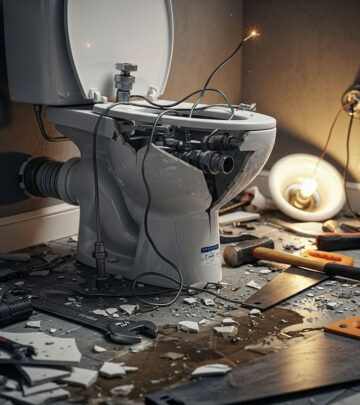
DIY Demolition Disaster
Demolition seems like the fun part of any remodel: swinging a sledgehammer to tear out old fixtures feels empowering and saves money. One homeowner saved $300 on bathroom demo, getting a solid workout in the process. However, excitement blinds many to lurking dangers. Behind that innocent-looking tile wall might hide electrical wiring, plumbing pipes, or load-bearing studs. Striking the wrong spot can cause floods, electrocution, or structural collapse.
Before grabbing tools, map your space. Turn off power at the breaker and water valves. Use a stud finder, consult blueprints if available, and test walls with small taps. Wear protective gear: goggles, gloves, dust masks, and sturdy boots. Start small—remove trim or fixtures first—to reveal hidden elements. If your project involves asbestos-laden materials (common in pre-1980s homes), call professionals for safe abatement. Rushing demo often leads to weeks of repairs far exceeding initial savings.
- Pro Tip: Document everything with photos before demo for reference during reassembly.
- Budget extra 20% for unforeseen discoveries like rot or mold.
Underestimating the Scope
Many DIYers bite off more than they can chew, tackling full kitchen remodels without realizing the domino effect. Replacing a countertop sounds simple until you discover outdated wiring, leaky pipes, or uneven floors requiring total floor replacement. What starts as a weekend job balloons into months of disruption.
Assess realistically: List every step from demo to finish. Research time estimates online—double them for beginners. Factor in skill gaps; if electrical work intimidates you, hire out that portion. Create a detailed timeline with milestones, and build in buffer days for delays. Tools like project management apps (e.g., Trello) help track progress visually.
Common scope creep triggers include “while I’m at it” additions. Stick to your plan religiously. For complex jobs, consult pros for quotes upfront—even if you do 80% yourself, targeted help prevents catastrophe.
Cheap or Wrong Tools
Skimping on tools is a classic trap. That $10 saw from a discount bin dulls after two cuts, forcing replacements or shoddy work. No tools? Improvising with household items like using a shoe as a hammer guarantees failure.
Invest in quality: Buy mid-range tools from reputable brands. Research project-specific needs—circular saw for framing, oscillating multi-tool for demo. Borrow or rent specialty items (e.g., tile saw) to save cash. Maintain tools: Sharpen blades, clean after use, store dry to prevent rust.
| Project Type | Essential Tools | Budget Tip |
|---|---|---|
| Bathroom Remodel | Sledgehammer, pry bar, reciprocating saw | Rent saw for $30/day |
| Kitchen Cabinets | Cordless drill, level, clamps | Buy drill kit ($100) |
| General Demo | Stud finder, voltage tester, shop vac | Multitool combo ($50) |
The Superman Syndrome
Overconfidence kills projects. Thinking you can solo a roof repair because “how hard can it be?” ignores physics, weather, and physics. Pros take teams for safety and speed; solo warriors risk falls, exhaustion, and errors.
Delegate: Enlist friends/family for labor swaps. Hire subs for specialties like HVAC or roofing. Know your limits—if heights terrify you, ground yourself. Pros average 3x speed due to experience; calculate realistic solo timelines accordingly.
Safety Oversights
DIY injuries send thousands to ER yearly. U.S. Consumer Product Safety Commission reports ladder falls alone cause 164,000 visits annually. Loose clothing catches in saws; no gloves shred hands on splinters.
- Wear fitted clothes, steel-toe boots, safety glasses.
- Secure ladders: 3:1 angle, tie off tops.
- Test for power even if flipped.
- First aid kit nearby; know shutoffs.
Spiders in basements? Tuck pants, shake gear. Dust? Use exhaust fans, wet methods.
Poor Material Choices
Cheap lumber warps; bargain paint peels fast. Buy once, buy right: Mid-grade plywood over particleboard. Check warranties, read reviews. Haggle smartly but prioritize quality.
Temporary Fixes as Permanent
Duct tape seals leaks temporarily but fails eventually, causing floods costing thousands. It’s a band-aid, not surgery. Follow up pros immediately for real repairs.
No Permits or Codes Ignored
Skipping permits risks fines, forced teardowns. Electrical/plumbing codes exist for safety. Check local rules online or city hall. Simple repairs often exempt; structural changes aren’t.
Rushing the Job
Haste breeds hacks: crooked cuts, gaps, collapses. Ripped tiles from rushed shower demo exemplify this. Pace yourself: Measure twice, cut once. Take breaks to maintain focus.
Close Enough Mentality
“Good enough” fails inspections, looks amateur. Precision matters: Level cabinets, miter joints tight. Use lasers for accuracy. Pride demands perfection.
Frequently Asked Questions (FAQs)
Q: How much should I budget extra for DIY surprises?
A: Add 20-30% contingency for hidden issues like wiring or rot.
Q: When should I hire a professional?
A: For electrical, plumbing, roofing, or structural work beyond basic skills.
Q: Are cheap tools ever okay?
A: For one-off jobs, yes; rent or borrow. Frequent use demands quality buys.
Q: How do I check for permits?
A: Visit local building department website or call for requirements.
Q: What’s the biggest DIY mistake?
A: Poor planning—always demo scope, budget, timeline first.
Final Thoughts on Thriving with DIY
DIY rewards the prepared: Savings average 40% vs. contractors when done right. Start small, learn iteratively. Online forums, YouTube pros guide safely. Track expenses in spreadsheets. Celebrate milestones—your home, your rules, done excellently.
References
- Consumer Product Safety Commission – Ladder Safety Report — U.S. CPSC. 2023-06-15. https://www.cpsc.gov/s3fs-public/2023-Ladder-Safety-Report.pdf
- National Fire Protection Association – Home Electrical Safety — NFPA. 2024-01-10. https://www.nfpa.org/education-and-research/home-fire-safety/electrical
- International Residential Code (IRC) – Building Permits — ICC. 2021-07-01 (latest edition relevant). https://codes.iccsafe.org/content/IRC2021P1
- OSHA Construction Safety Guidelines — U.S. Department of Labor. 2025-03-20. https://www.osha.gov/construction
- Home Improvement Permits Guide — HUD.gov. 2024-11-05. https://www.hud.gov/program_offices/housing/rmra/sfh/handbook_4000-1
Similar Articles








Read full bio of medha deb