Spending Journal: 5 Benefits And How To Keep One
Learn how a simple spending journal can reveal hidden habits, cut overspending, and move you closer to your financial goals.

Do you ever look at your bank balance and wonder where your money went? A spending journal can show you exactly how, when, and why you spend, so you can finally take control of your finances.
By documenting your purchases and the feelings behind them, you gain clarity on your habits, spot problem patterns, and redirect money toward what truly matters to you, like paying off debt or growing your savings.
What Is A Spending Journal (Spending Diary)?
A spending journal, sometimes called a spending diary, is a written record of every single expenditure you make over a set period of time, such as 30 days. It usually includes both the transaction details and your thoughts or emotions around each purchase.
Unlike a simple expense tracker or banking app that only shows numbers, a spending journal combines:
- Objective data — the amount, date, place, and category of each purchase.
- Subjective insight — why you spent, how you felt, and what was happening in your life at the time.
The purpose is to help you:
- Increase awareness of your everyday spending.
- Identify habits and triggers that lead to overspending.
- Find areas where you can cut back without feeling deprived.
- Align your spending with your values and long-term financial goals.
Spending Journal vs Spending Log: What Is The Difference?
People often use these terms interchangeably, but they are slightly different tools that work well together.
| Feature | Spending Log | Spending Journal |
|---|---|---|
| Primary focus | Numbers and transactions | Numbers and emotions, thoughts, and behavior |
| What you record | Date, amount, merchant, category | All of the log details plus reasons, feelings, and context |
| Main benefit | Shows where your money goes in black and white | Helps you understand why you spend the way you do |
| Best use | Budgeting, tracking totals, catching overspending | Changing habits, mindset, and emotional triggers |
A spending log records every dollar that leaves your accounts, while a spending journal adds the emotional and behavioral layer that explains those numbers.
How To Build Your Spending Log Into Your Spending Journal
You do not need two separate tools. Instead, you can combine your log and journal in one place so that your numbers and reflections live side by side.
There are two common ways to do this:
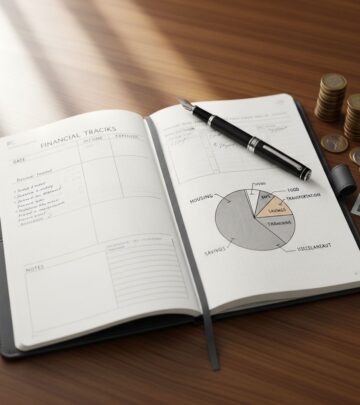
- Journal with a log section: Create pages where you list transactions first (your log), followed by space to write about what happened that day financially and emotionally.
- Log with journal notes: Use a structured table for each day or week and add a notes column for your feelings, thoughts, or triggers around spending.
Whichever structure you choose, the key is to keep all of your spending documentation in one place so you can easily review patterns later.
Choosing The Right Format For Your Spending Journal
You can keep a spending journal in any format you will realistically use every day.
- Notebook or binder: Many people find that writing by hand makes them more mindful and helps them remember purchases better.
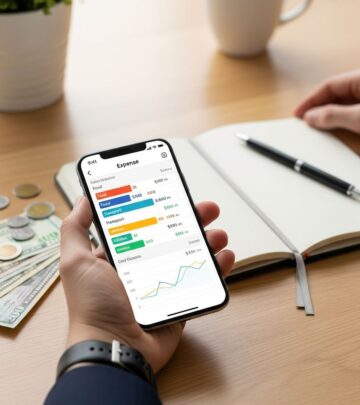
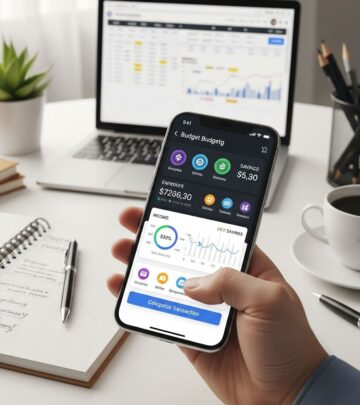
- Digital document: A note-taking app, word processor, or journaling app can work, especially if you always have your phone with you.
- Spreadsheet: A spreadsheet in Excel or Google Sheets makes it easy to total spending, sort by category, and compare weeks or months.
You can also mix formats, such as keeping the numeric log in a spreadsheet and writing emotional notes in a physical journal, but many people find it simpler to keep everything together.
Setting Up Your Spending Journal
To get the most benefit from your spending journal, spend a few minutes designing a layout that is easy to maintain and review.
Step 1: Decide Your Timeframe
Choose how long you plan to track your spending in detail. A common approach is:
- Minimum: 30 days (enough to capture recurring bills and everyday habits).
- Ideal: 60–90 days (helps you see patterns across multiple pay cycles).
Commit to tracking every purchase for that period, even if it feels repetitive or uncomfortable. The discomfort is often where the most insight lives.
Step 2: Create Your Basic Log Structure
Use a simple table with columns you can fill out quickly. For example:
| Date | Item / Merchant | Category | Amount | Payment Method | Need or Want? | Notes / Feelings |
|---|---|---|---|---|---|---|
| 03/01 | Coffee shop | Eating out | $6.50 | Debit card | Want | Tired, wanted a treat before work |
You can adjust columns to fit your life, but these fields capture both the numbers and the emotional context that drive behavior.
Step 3: Collect Receipts And Track Daily
To avoid missing transactions:
- Keep receipts in your wallet, purse, or a small envelope.
- Star or flag email receipts for online purchases.
- Check your banking app or card statement at the end of the day.
Then, either log each purchase as soon as it happens or set aside 5–10 minutes at night to record everything from that day.
How To Record Your Transactions Effectively
Accuracy and detail matter. The more clearly you describe your spending, the easier it is to understand your habits later.
For each transaction, aim to record:
- Date and time of the purchase.
- Merchant or store name.
- What you bought (not just “Target,” but “toiletries and snacks”).
- Category (groceries, eating out, transportation, clothing, entertainment, etc.).
- Amount spent.
- Payment method (cash, debit, credit, BNPL service).
- Need or want (helps you see how much is optional).
- Trigger or feeling (e.g., stressed, happy, bored, social pressure).
When you include both the facts and the feelings, your spending journal becomes a powerful tool for behavior change, not just record-keeping.
Tracking The Emotions Behind Your Spending
A core benefit of a spending journal is connecting your emotions to your money decisions. Research in behavioral economics shows that emotions and mental shortcuts strongly influence financial choices, often more than pure logic.
Use your journal to explore questions like:
- What mood was I in when I made this purchase?
- Was I reacting to stress, boredom, or comparison to others?
- Did I buy to celebrate, to comfort myself, or to avoid a difficult task?
- Did I feel any regret or guilt afterward?
- Was this purchase aligned with my larger money goals?
For example, suppose you bought an expensive handbag you didn’t plan for. In your notes, you might write that you were upset after a difficult day at work and wanted something to feel better. Over time, patterns like “stress leads to online shopping” become visible, and you can start replacing those habits with healthier, lower-cost alternatives.
Reviewing Your Spending Journal
Reviewing your journal is where the real transformation happens. Aim to review your entries at least once a week.
What To Look For During Your Review
As you read through your log and notes, look for:
- Spending clusters: Are there certain days of the week when you spend more (weekends, paydays)?
- Emotional patterns: Do specific feelings, like stress or loneliness, show up repeatedly before impulse purchases?
- Category creep: Are specific categories (eating out, subscriptions, rideshares) consistently higher than you expected?
- Small purchases that add up: Daily snacks, coffees, or quick online buys that look harmless individually but are costly in total.
- Budget mismatches: Are your actual numbers very different from what you planned in your budget?
How To Use Your Insights
When you spot patterns, decide on concrete adjustments, such as:
- Setting a weekly limit for certain categories.
- Unsubscribing from marketing emails that trigger impulse buys.
- Planning low-cost alternatives for stress relief (a walk, a hobby, talking to a friend).
- Updating your budget categories to better reflect your real life.
The goal is not to judge or shame yourself. Instead, use the information as neutral feedback that helps you move closer to your goals.
Connecting Your Spending Journal To Your Budget And Goals
Your spending journal should not exist in isolation. It becomes especially powerful when you connect it to your budget and financial goals.
- Compare journal totals to your budget: At the end of the month, total each category in your journal and compare it to what you budgeted.
- Adjust your budget: If you consistently overspend in a realistic category (like groceries), update your budget to a more accurate number and find savings elsewhere.
- Reallocate freed-up money: When your journal helps you cut back, intentionally redirect the extra cash toward debt repayment, savings, or investing.
For example, if your journal reveals you spend $120 a month on food delivery, you might cut that to $40 and put the remaining $80 toward an emergency fund. Building an emergency savings buffer is widely recommended by financial education organizations as a key step toward financial resilience.
Benefits Of Keeping A Spending Journal
Consistently using a spending journal can lead to meaningful changes in your financial life.
- Greater awareness: You see exactly where your money goes, instead of guessing or relying on memory.
- Reduced impulse spending: Knowing you have to write down every purchase often makes you pause before swiping your card.
- Better alignment with values: You can quickly see whether your spending reflects what you say matters to you.
- More effective budgeting: Real numbers from your journal help you create a budget that actually matches your life, improving your chance of sticking to it.
- Faster progress toward goals: Every unnecessary dollar you find can be redirected to paying off debt, saving, or investing.
Even a short 30-day journaling experiment can be eye-opening and may permanently change how you think about everyday purchases.
Practical Tips To Make Your Spending Journal Work Long-Term
To keep the habit realistic and sustainable, use these strategies:
- Keep it simple: Avoid overcomplicated layouts. If it takes too long to update, you are less likely to stick with it.
- Set a daily reminder: Tie journaling to an existing routine, such as after dinner or right before bed.
- Be honest, not perfect: Missing a day does not mean you failed. Just restart and keep going.
- Focus on curiosity, not judgment: Treat your journal like a neutral data source about your life, not a report card.
- Celebrate wins: When you notice improvements, acknowledge them. Positive reinforcement makes the habit easier to maintain.
Frequently Asked Questions (FAQs)
Q: How long should I keep a spending journal?
A: Start with at least 30 days to capture regular bills and everyday habits. Many people find that 60–90 days of detailed tracking gives a clearer picture across multiple pay cycles and helps solidify new habits.
Q: Do I need to write down every single purchase?
A: Yes, for the period you commit to. Even small purchases like snacks, apps, or parking matter because they often add up significantly over a month.
Q: Can I use an app instead of a paper journal?
A: You can use any format you will consistently maintain: apps, spreadsheets, or paper. The important part is recording both the transaction details and, ideally, your thoughts or feelings around spending.
Q: How is a spending journal different from just checking my bank statement?
A: Bank statements show what you spent and where, but they do not explain why. A spending journal adds context, emotions, and intent, which are essential for changing habits and aligning your money with your goals.
Q: What should I do with the information from my spending journal?
A: Use it to adjust your budget, set realistic spending limits, remove or reduce unnecessary expenses, and redirect money toward priorities like debt payoff, emergency savings, or investing.
References
- Consumer Financial Protection Bureau: Your Money, Your Goals – Track your spending — Consumer Financial Protection Bureau. 2023-03-01. https://www.consumerfinance.gov/your-money-your-goals/track-your-spending/
- Practical Money Skills: Budgeting Basics – Track Your Spending — Visa / Practical Money Skills. 2022-06-15. https://www.practicalmoneyskills.com/learn/budgeting/track_your_spending
- Is A Spending Journal Worth Your Time? — Clever Girl Finance (YouTube). 2020-09-14. https://www.youtube.com/watch?v=RbZPUWgJGos
- How To Use Money Journaling: Improve Your Mindset And Your Finances — Clever Girl Finance. 2022-02-10. https://www.clevergirlfinance.com/money-journaling/
- Loewenstein, G. & Lerner, J. S. The Role of Affect in Decision Making — Handbook of Affective Science, Oxford University Press. 2003-01-01. https://www.cmu.edu/dietrich/sds/docs/loewenstein/RoleAffectDecision.pdf
- Emergency Savings: How Much Is Enough? — Federal Reserve Bank of St. Louis. 2022-05-18. https://www.stlouisfed.org/open-vault/2022/may/emergency-savings-how-much-is-enough
Similar Articles








Read full bio of medha deb