How to Invest in Silver: Complete Beginner’s Guide
Learn the best ways to invest in silver: ETFs, physical bullion, and mining stocks explained.
How to Invest in Silver: A Complete Guide for Beginners
Silver has established itself as a cornerstone of precious metals investing, offering both practical industrial applications and historical value as a store of wealth. With silver reaching $39.28 per ounce in 2025—a 14-year high—more investors are exploring opportunities to add this metal to their portfolios. Whether you’re seeking portfolio diversification, a hedge against economic uncertainty, or wealth preservation, understanding the various silver investment methods is essential for making informed decisions that align with your financial goals.
The silver market presents multiple pathways for investors at every level. From hands-on ownership of physical bullion to convenient digital trading through exchange-traded funds, each method offers distinct advantages and considerations. This comprehensive guide explores the primary ways to invest in silver, helping you determine which approach best suits your investment timeline, risk tolerance, and financial situation.
Understanding Your Silver Investment Options
Silver investors typically choose between three main investment vehicles: physical silver (coins and bars), exchange-traded funds (ETFs), and silver mining stocks or mutual funds. Each option provides exposure to silver prices while presenting different trade-offs in terms of ownership, convenience, cost, and accessibility.
The choice between these options depends on several factors including your investment horizon, storage capabilities, preference for tangible assets, and comfort level with electronic trading. Sophisticated investors often employ a hybrid approach, combining multiple methods to optimize their portfolios and balance security with convenience.
Investing in Physical Silver: Tangible Ownership
Silver Coins for Direct Ownership
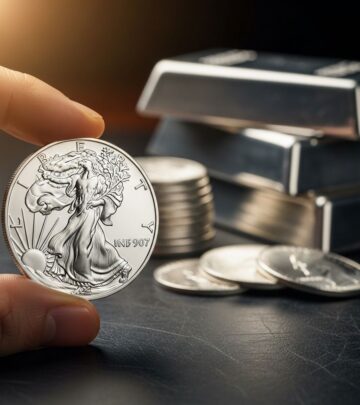
Physical silver coins represent one of the most accessible entry points for silver investing. Government-minted coins like the American Silver Eagle and Canadian Silver Maple Leaf offer high purity (typically 99.9% silver), wide recognition, and relatively lower premiums over the spot price. These coins are ideal for investors seeking true ownership and the ability to hold their investment directly.
Collectible coins, while visually appealing, often carry significantly higher premiums due to historical or numismatic value. For pure silver investment purposes, focus on bullion coins rather than collectibles. Bullion coins maintain prices closely aligned with the spot price of silver, making them more cost-effective for investment strategies.
Silver Bars and Rounds
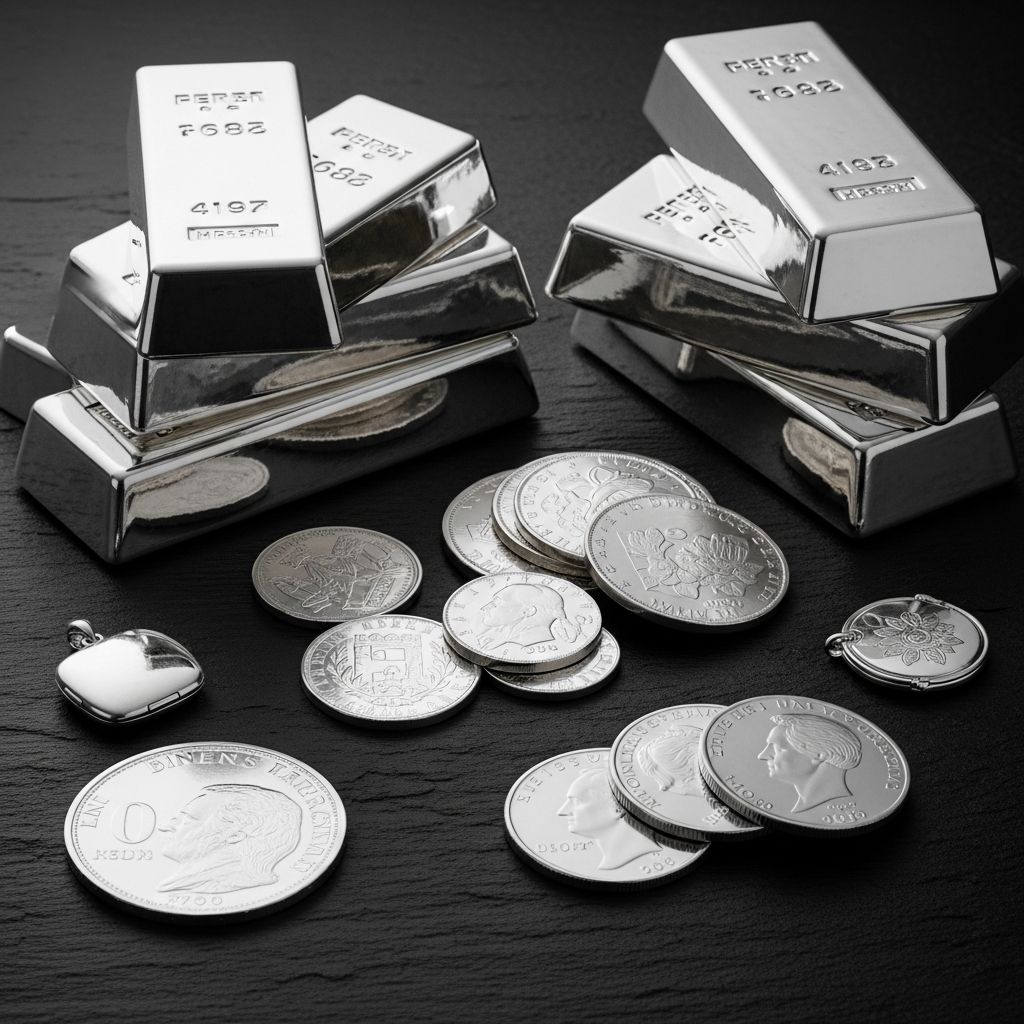
Silver bars and rounds offer cost-efficient alternatives to coins for investors seeking to accumulate larger quantities. Bars typically carry lower premiums than coins or rounds because they’re stackable and space-efficient, making them ideal for bulk storage. Larger bars provide even better value due to reduced premiums over the spot price per ounce.
Silver rounds, privately minted circular pieces resembling coins, provide budget-conscious entry points with premiums of $2-4 over spot price. These rounds are widely accepted, making them suitable for dollar-cost averaging strategies and building investment positions over time.
Storage and Security Considerations
Physical silver ownership requires secure storage to protect your investment. Options include home safes, bank deposit boxes, or private vaults managed by reputable dealers. Unlike ETF holdings tracked electronically through brokerage accounts, physical silver stored privately offers privacy benefits and maintains anonymity, particularly for cash purchases under $10,000 that avoid reporting requirements.
Security and storage represent legitimate concerns for physical silver investors. You maintain complete control over storage location and security measures, which provides peace of mind but requires personal responsibility and due diligence.
Silver ETFs: Digital Convenience for Modern Investors
How Silver ETFs Work
Silver exchange-traded funds revolutionized precious metals investing by making silver as tradable as stocks. These funds track the price of silver and are purchased through brokerage accounts like traditional securities. Silver ETFs invest primarily in physical silver, futures contracts, or silver mining stocks, aiming to mirror silver’s price movements.
ETFs provide investors with convenient, relatively low-cost exposure to silver without the responsibility of physical ownership or storage. Rather than owning the silver directly, investors hold shares of a fund that maintains the underlying metal or related securities.
Top Silver ETFs Compared
| ETF Name | Ticker | Expense Ratio | Key Features | Minimum Investment |
|---|---|---|---|---|
| iShares Silver Trust | SLV | 0.50% | $14.8B assets, 470+ million ounces, 20+ million shares daily volume | ~$24 (1 share) |
| Aberdeen Silver ETF | SIVR | 0.30% | 20% lower fees than SLV, physically backed, strong liquidity | Low (varies by broker) |
| Sprott Physical Silver | PSLV | 0.40% | Allocated storage, redeemable for physical, monthly bar list published | Varies by broker |
Physically Backed Silver ETFs
Physically backed silver ETFs such as SLV hold actual silver bullion in secure, LBMA-approved vaults. The value of each share is linked directly to the spot price of silver, minus the fund’s management and operating expenses. When you purchase shares, you gain indirect exposure to silver through fractional interest in the trust that holds the physical metal.
However, individual retail investors cannot exchange ETF shares for physical silver. Redemption rights are reserved exclusively for Authorized Participants (APs)—typically large financial institutions like major banks and broker-dealers—that maintain agreements with the ETF sponsor. These APs can create or redeem shares in large blocks, usually a minimum of 50,000 shares, helping maintain price alignment between the ETF and underlying silver.
Advantages of Silver ETFs
Silver ETFs offer significant convenience advantages. You can buy and sell shares instantly during market hours without the complications of storing physical metal or arranging dealer transactions. Trading occurs through standard brokerage accounts, making silver investing accessible to anyone with investment experience.
ETFs also eliminate storage and insurance concerns while providing high liquidity. With daily trading volumes exceeding millions of shares, you can enter or exit positions quickly at transparent market prices. The low storage costs associated with ETFs make them particularly attractive for long-term investors seeking cost efficiency.
Limitations of Silver ETFs
The primary limitation involves counterparty risk. You don’t directly own the silver; instead, you depend on custodial chains and third-party institutions to maintain your holdings. While reputable ETFs do hold physical silver in approved vaults, individual investors cannot verify their specific holdings and must trust the custodial structure.
The ETF structure involves complexities including potentially allocated or unallocated silver holdings, sub-custodians managing portions of deposits, and limited audit access. While these concerns remain theoretical for major, well-established ETFs, they represent considerations worth understanding.
Silver Mining Stocks and Mutual Funds
Beyond direct silver ownership and ETFs, investors can gain silver exposure through mining company stocks and mutual funds focused on precious metals producers. These investments provide indirect silver exposure while potentially offering additional returns from mining operations and company performance.
Silver mining stocks introduce different risk and return dynamics compared to physical silver or bullion-backed ETFs. Mining companies face operational risks, commodity price volatility, and management decisions that affect performance beyond simple silver price movements.
Silver funds that hold baskets of mining company stocks offer diversification across multiple producers while reducing risk associated with single-company performance. These funds provide convenient access to mining exposure through a single position in your portfolio.
Physical Silver vs. Silver ETFs: Key Differences
Ownership Structure
Physical silver provides full, direct ownership of tangible assets. You possess the metal itself and control its storage and security. Conversely, ETF investors hold indirect exposure through fund shares, with ownership mediated through financial institutions and custodians.
Security and Storage
Physical silver requires secure personal storage—whether in home safes, bank deposit boxes, or private vaults—giving you complete control over security measures. ETFs handle storage through professional custodians, eliminating your personal storage responsibilities but reducing your control and visibility over the exact locations and conditions of stored metal.
Liquidity and Trading
ETFs provide superior liquidity with instant trading during market hours at transparent prices. Physical silver sales require finding buyers, arranging transportation, and verifying purity, typically involving dealer markups that reduce your realized proceeds.
Costs and Premiums
Physical silver carries dealer premiums of $2-4 over spot price for rounds and typically higher premiums for coins. ETFs charge annual expense ratios (typically 0.30-0.50%) without upfront premiums. For long-term holdings, ETF fees accumulate, while physical silver premiums are one-time costs.
Price Performance and Verification
Major silver ETFs with physical backing have maintained their value relative to spot silver prices. They mirror price movements in silver, reflecting both gains and declines observed in 2008, 2011, and 2020-2022. However, specialized products like leveraged ETFs or silver mining ETFs haven’t always matched spot silver performance.
Building Your Silver Investment Strategy
The Hybrid Approach
Rather than viewing physical silver and ETFs as mutually exclusive choices, sophisticated investors often combine both methods to optimize portfolios. A well-designed hybrid strategy might allocate:
Core Holdings (60-70%): Physical silver stored securely for long-term wealth preservation and counterparty risk elimination
Trading Position (20-30%): ETFs for tactical allocation, rebalancing convenience, and participation in market movements
Emergency Reserve (10%): Easily accessible physical silver for crisis scenarios or portfolio rebalancing needs
Evaluating Your Risk Tolerance
Your risk tolerance should guide your investment method selection. Investors concerned about counterparty risk should prioritize physical silver ownership. Those worried about storage and security should favor ETFs that eliminate these concerns. Understanding your comfort level with market volatility also matters—both physical silver and ETFs experience similar price swings, so volatility tolerance should reflect your overall silver allocation rather than investment method choice.
Practical Considerations
Assess your available secure storage options before committing to physical silver. Consider your total investment size, as larger positions favor physical silver due to premium efficiency. Evaluate your geographic location and access to reputable dealers. Additionally, examine your tax situation, as IRA eligibility may favor certain options—traditional and Roth IRAs typically favor ETFs over physical holdings.
When to Invest in Physical Silver
Physical silver investment proves particularly attractive during periods of high inflation, low interest rates, or geopolitical instability. These economic conditions often drive demand for tangible assets and wealth preservation vehicles, potentially supporting silver prices while providing portfolio insurance.
Tax Implications and Legal Considerations
Both physical silver and silver ETFs receive similar tax treatment under current regulations, classified as collectibles subject to a 28% capital gains rate for long-term holdings. This represents a higher rate than typical long-term capital gains but reflects the collectible nature of precious metals investments.
IRA accounts offer tax-advantaged silver investing opportunities. Precious metals IRAs can hold IRS-approved physical silver, though special custodians and storage requirements apply. Silver ETFs held within traditional or Roth IRAs provide simpler alternatives without special custody requirements.
Key Takeaways for Silver Investors
Physical silver eliminates counterparty risk while requiring secure personal storage. ETFs provide instant liquidity and low costs while introducing third-party dependencies. Your investment timeline, storage capability, risk tolerance, and financial goals should guide your method selection. Many sophisticated investors use both approaches for different portfolio purposes, balancing the advantages of each method.
Silver reaching 14-year highs in 2025 presents compelling opportunities for new investors and portfolio additions. Whether you choose physical bullion, convenient ETFs, or mining stocks, understanding each method’s characteristics enables you to construct silver positions aligned with your investment objectives and personal circumstances.
Frequently Asked Questions
Q: Is physical silver or silver ETFs better for beginners?
A: Silver ETFs typically suit beginners better due to their simplicity, low entry costs (around $24 per share for SLV), and elimination of storage concerns. Physical silver requires more due diligence but offers direct ownership and security benefits.
Q: Can I redeem ETF shares for physical silver?
A: Individual retail investors cannot exchange ETF shares for physical silver. Only Authorized Participants (large financial institutions) can redeem shares in bulk quantities, typically minimum 50,000 shares.
Q: What’s the difference between silver bullion coins and collectible coins?
A: Bullion coins like American Silver Eagles are priced based on silver content with low premiums, making them ideal for investment. Collectible coins carry higher premiums due to historical or numismatic value, making them less suitable for pure silver investing.
Q: How much should I allocate to silver in my portfolio?
A: Financial advisors typically recommend 5-10% portfolio allocation to precious metals including silver, depending on your risk tolerance and diversification goals. Adjust based on your overall portfolio composition and investment objectives.
Q: Are silver ETFs tax-efficient compared to physical silver?
A: Both receive similar tax treatment as collectibles (28% capital gains rate). ETFs held in IRAs offer tax advantages identical to physical silver in precious metals IRAs, though ETFs require no special custodian arrangements.
Q: What storage options are available for physical silver?
A: Options include home safes, bank deposit boxes, or private vaults managed by reputable dealers. Choose based on insurance coverage, accessibility needs, and security preferences.
References
- Silver ETFs vs. Physical Silver: Why Tangible Silver May Be the Better Investment — APMEX. 2024. https://learn.apmex.com/investing-guide/silver-etfs-vs-physical-silver-why-tangible-silver-may-be-the-better-investment/
- Physical Silver vs Silver ETFs: Which Investment Wins in 2025? — Gainesville Coins. 2025. https://www.gainesvillecoins.com/blog/physical-silver-vs-silver-etfs-investment-guide
- Silver Investment: ETFs vs Physical Bullion — Bullion Standard. 2024. https://www.bullionstandard.com/blog/silver-investing-etfs-vs-bullion
- How to buy silver | 4 ways to invest in silver — Fidelity. 2024. https://www.fidelity.com/learning-center/trading-investing/how-to-buy-silver
- Investing in Gold and Silver: A Decision Guide — Morgan Stanley. 2024. https://www.morganstanley.com/articles/investing-gold-silver-decision-guide
- Silver Investing Guide – Coins, Bullion, ETFs — Bellevue Rare Coins. 2024. https://www.bellevuerarecoins.com/investing-in-silver/
Similar Articles








Read full bio of Sneha Tete