How to Invest in Platinum: Complete Guide to Strategies
Master platinum investing: Explore strategies, options, and market trends for 2025.
How to Invest in Platinum: Complete Guide to Strategies and Opportunities
Platinum stands as one of the rarest and most valuable precious metals in the world, offering investors a compelling opportunity to diversify their portfolios and preserve wealth over the long term. As we move through 2025, platinum has emerged from the shadows of gold and silver to claim its rightful place in modern investment strategies. Platinum ore is 30 times rarer than gold, making it a genuinely scarce asset with significant industrial applications and investment potential. With platinum prices having surged above $1,500 per troy ounce for the first time since July 2014 in September 2025, and the metal now commanding prices in the mid to high one thousand dollar range per troy ounce in November 2025, this is an opportune moment to explore comprehensive platinum investment strategies.
Why Invest in Platinum in 2025?
The investment case for platinum in 2025 remains exceptionally compelling. The World Platinum Investment Council (WPIC) confirms that 2025 marks the third consecutive year of platinum supply deficits, with substantial deficits expected to persist through 2029. These annual deficits are forecast to average 620,000 ounces from 2025 to 2029, representing 8 percent of average annual demand. Despite platinum prices increasing by 52 percent year-to-date through September 2025, market analysts note that current price levels remain unlikely to shift the fundamental supply and demand dynamics away from these persistent deficits.
Platinum serves dual roles as both a precious metal and an industrial commodity. The four main sectors driving platinum demand are automotive (39 percent), jewelry (28 percent), industrial applications (24 percent), and investment (9 percent). This diversification of demand sources creates a resilient market that maintains strength even during economic downturns. Total platinum demand for 2025 is expected to reach 7.88 million ounces, while investment demand specifically is projected to jump 2 percent year-over-year to 718,000 ounces.
Understanding Platinum Demand and Supply Dynamics
Key Industrial Applications
Platinum’s industrial importance cannot be overstated. The automotive industry relies heavily on platinum for catalytic converters that reduce harmful vehicle emissions, accounting for the largest demand segment. Beyond traditional automotive applications, platinum is increasingly gaining importance in renewable energy technologies, particularly hydrogen fuel cells that support the transition to clean vehicles. This emerging demand driver creates a strong foundation for long-term industrial growth.
The jewelry sector continues to represent significant demand, while industrial uses span fertilizers, hard drives, electronics, glass manufacturing, and medical devices and pharmaceuticals. These diverse applications ensure that platinum maintains relevance across multiple economic sectors and emerging technologies.
Current Market Conditions
While industrial demand from certain sectors is experiencing contraction—particularly the glass manufacturing segment, which is expected to see a 74 percent year-over-year reduction in platinum demand in 2025—investment demand is showing strength. The WPIC forecasts that demand for platinum bars and coins specifically will grow by 45 percent year-on-year to reach 282,000 ounces, marking a two-year high. This surge in investment demand reflects growing recognition among investors of platinum’s value proposition.
Best Ways to Invest in Platinum in 2025
Physical Platinum: Bars and Coins
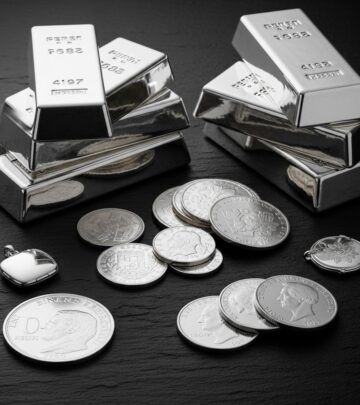
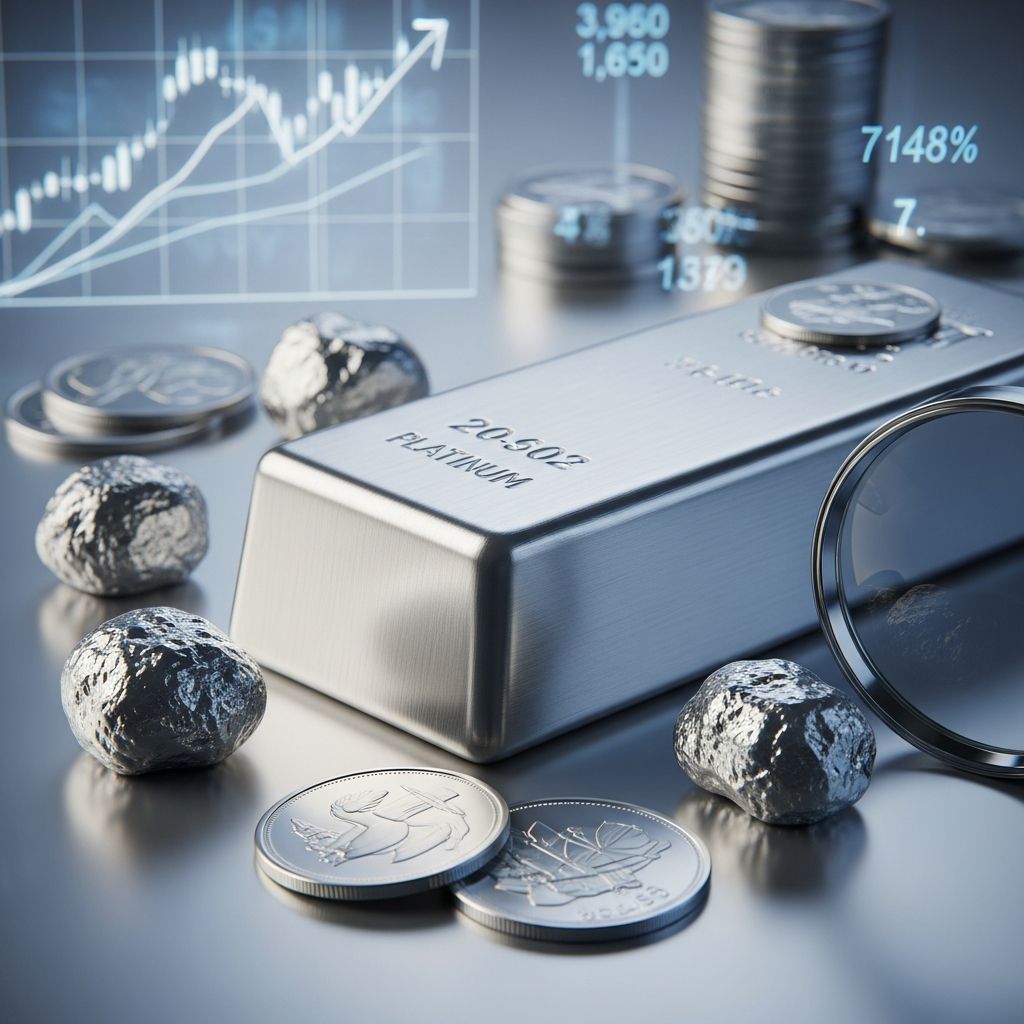
Owning physical platinum represents one of the most secure and direct investment approaches. Physical platinum eliminates counterparty risk and provides tangible value, making it an ideal choice for investors prioritizing wealth preservation. High-quality platinum bars, such as 1 oz Valcambi bars, are compact and tradable, perfect for investors seeking pure platinum in convenient forms. Platinum coins, including products like the 2025 Platinum American Eagle, offer collectible value alongside their metal content.
When purchasing physical platinum, investors can access vaulted storage solutions like BullionVault’s online physical platinum market, which provides private individuals access to institutional-grade platinum 24 hours a day, seven days a week. Working with reputable dealers ensures product authenticity, secure transactions, and competitive pricing.
Platinum ETFs and Exchange-Traded Products
For investors seeking convenience and liquidity without the complications of physical storage, platinum ETFs and ETCs represent an excellent alternative. These financially-backed vehicles track platinum spot prices without requiring physical storage arrangements. ETFs offer several distinct advantages: transparency in holdings, convenient access through standard brokerage accounts, and excellent liquidity for entering and exiting positions. Physically-backed platinum ETFs provide direct exposure to the metal’s price movements while eliminating storage and insurance considerations.
Platinum Stocks and Mining Companies
Investors can gain indirect platinum exposure through platinum mining company stocks and platinum trusts. Mining companies provide diversification within the platinum sector and historically demonstrate less vulnerability to rapid platinum price changes compared to the metal itself. This insulation from spot price volatility can appeal to investors seeking more stable equity-like investments with exposure to platinum market fundamentals.
Platinum Futures Contracts
For sophisticated investors, platinum futures contracts offer leveraged exposure to price movements. Futures trading allows investors to take positions on future platinum prices without owning the physical metal, but this approach requires deep market knowledge and comfort with significant volatility.
Key Strategies for Maximizing Platinum Investment Returns
Monitor Supply and Demand Trends
Successful platinum investing requires staying informed about mining output, industrial demand patterns, and geopolitical factors affecting supply chains. Understanding which sectors are driving demand—particularly the growth in renewable energy technologies and automotive emissions control—helps investors anticipate price movements and make informed timing decisions.
Invest for the Long Term
Given platinum’s rarity and increasing demand in the clean energy sector, holding physical platinum for extended periods positions investors to benefit from long-term appreciation. The persistent supply deficits forecast through 2029 suggest that fundamental supply-demand imbalances will continue supporting prices throughout this decade and beyond.
Time Your Purchases Strategically
Platinum prices experience fluctuations based on market conditions, economic sentiment, and supply disruptions. Supply-driven rallies, typically unexpected market movements resulting from disruptions to mining operations, represent particularly attractive entry points. Buying during price dips and periods of volatility can significantly enhance potential long-term returns. Long-term investors should consider gradual purchases or dollar-cost averaging strategies, while shorter-term traders may wait for technical pullbacks before entering positions to manage risk more efficiently.
Choose a Reputable Dealer
Working with trusted platinum providers ensures product authenticity, secure transactions, and competitive pricing. Established dealers with strong track records provide the confidence and security necessary for significant precious metals investments.
Platinum’s Role in the Global Economy and Future Growth
Platinum’s position in the global economy continues to strengthen as emerging technologies create new industrial demand drivers. The shift toward clean energy and electric vehicles accelerates demand for platinum in hydrogen fuel cells and advanced catalytic applications. This technological tailwind, combined with platinum’s established role in jewelry and traditional industrial applications, creates multiple growth vectors for long-term investors.
The metal’s historical undervaluation compared to gold—despite similar rarity levels—suggests significant upside potential for investors recognizing platinum’s true value proposition. As markets increasingly recognize platinum’s dual nature as both a precious metal hedge and an industrial growth investment, price discovery should accelerate.
Building a Diversified Precious Metals Portfolio
Platinum deserves a prominent place in diversified precious metals portfolios. Unlike gold, which primarily functions as a hedge, platinum combines precious metal stability with meaningful industrial relevance and growth potential. Adding platinum to a portfolio creates an extra layer of diversification and resilience, particularly for investors seeking exposure to emerging technologies like hydrogen fuel cells and advanced manufacturing.
The diversity of platinum’s applications means the market demonstrates remarkable resilience even during economic slowdowns. This characteristic distinguishes platinum from purely speculative or cyclical assets, making it suitable for both conservative and growth-oriented portfolio strategies.
Risk Considerations and Volatility Management
Investors should prepare for platinum’s characteristic volatility. Platinum prices subject to more volatility than gold or silver due to its thinner market. Long-term investors can mitigate this risk through dollar-cost averaging, purchasing gradually over time to reduce the impact of short-term price fluctuations. Understanding that short-term volatility often represents buying opportunities rather than risks helps investors maintain discipline during market uncertainty.
Platinum’s Potential in 2025 and Beyond
Platinum remains an undervalued yet essential precious metal with exceptional investment potential in 2025 and throughout the remainder of the decade. The combination of genuine industrial significance, extreme rarity, and inflation protection makes platinum an intelligent choice for portfolio diversification. The fundamentals are aligning perfectly: tight global supply, rising demand for green energy technologies, and a spot price still substantially lagging behind gold despite comparable rarity.
Those searching for value in the 2025 metals market should give serious consideration to platinum’s opportunity. As the metals market evolves and investors increasingly recognize platinum’s unique dual nature, this overlooked asset may well emerge as the precious metal with the most substantial upside potential.
Frequently Asked Questions About Platinum Investing
Q: What makes platinum a good investment compared to other precious metals?
A: Platinum offers unique dual value as both a precious metal and an industrial commodity with strong demand in automotive, renewable energy, jewelry, and medical sectors. With platinum ore being 30 times rarer than gold, yet historically undervalued, it presents exceptional value for diversified portfolios seeking growth combined with stability.
Q: Is 2025 a good time to invest in platinum?
A: Yes, 2025 presents compelling timing with platinum markets experiencing the third consecutive year of supply deficits expected to persist through 2029. Recent price surges above $1,500 per troy ounce combined with strong fundamental demand drivers make this an opportune entry point for long-term investors.
Q: What is the best way for beginners to invest in platinum?
A: Beginners should consider starting with physically-backed platinum ETFs for convenience and liquidity, or purchase small quantities of physical platinum bars and coins through reputable dealers. These approaches provide straightforward entry without requiring deep market expertise.
Q: How much platinum price volatility should I expect?
A: Platinum experiences more price volatility than gold or silver due to its thinner market. Long-term investors should expect and prepare for short-term fluctuations, viewing them as potential buying opportunities rather than risks.
Q: Should I invest in physical platinum or platinum ETFs?
A: Both approaches have merit. Physical platinum provides tangible ownership and eliminates counterparty risk, ideal for wealth preservation. Platinum ETFs offer superior liquidity, convenience, and eliminate storage concerns. Your choice should reflect your investment timeline, comfort with storage logistics, and preferred level of market engagement.
References
- How to Invest in Platinum: Strategies for Maximizing Returns in 2025 — U.S. Gold Bureau. April 17, 2025. https://www.usgoldbureau.com/news/post/how-to-invest-in-platinum
- How to Invest in Platinum Stocks, Bullion and More — Investing News Network. 2025. https://investingnews.com/daily/resource-investing/precious-metals-investing/platinum-investing/how-to-invest-in-platinum/
- Is Platinum a Good Investment? What Investors Need to Know — EBC. November 2025. https://www.ebc.com/forex/is-platinum-a-good-investment-what-investors-need-to-know
- Platinum’s 2025 Supply Crunch: What Investors Should Know — Pacific Precious Metals. 2025. https://www.pacificpreciousmetals.com/blog/platinum-supply-crunch-2025
- September 2025 Platinum Essentials: Five-year supply/demand outlook — World Platinum Investment Council. September 2025. https://platinuminvestment.com/supply-and-demand/2-to-5-year-view
- Platinum Investment Guide — BullionVault. 2025. https://www.bullionvault.com/platinum-guide/platinum-investment
Similar Articles








Read full bio of Sneha Tete