How To Have A Perfect No-Spend Weekend: A Zero-Cost Plan
Master the art of weekend fun without spending a dime: practical tips for debt reduction, savings boosts, and free entertainment.
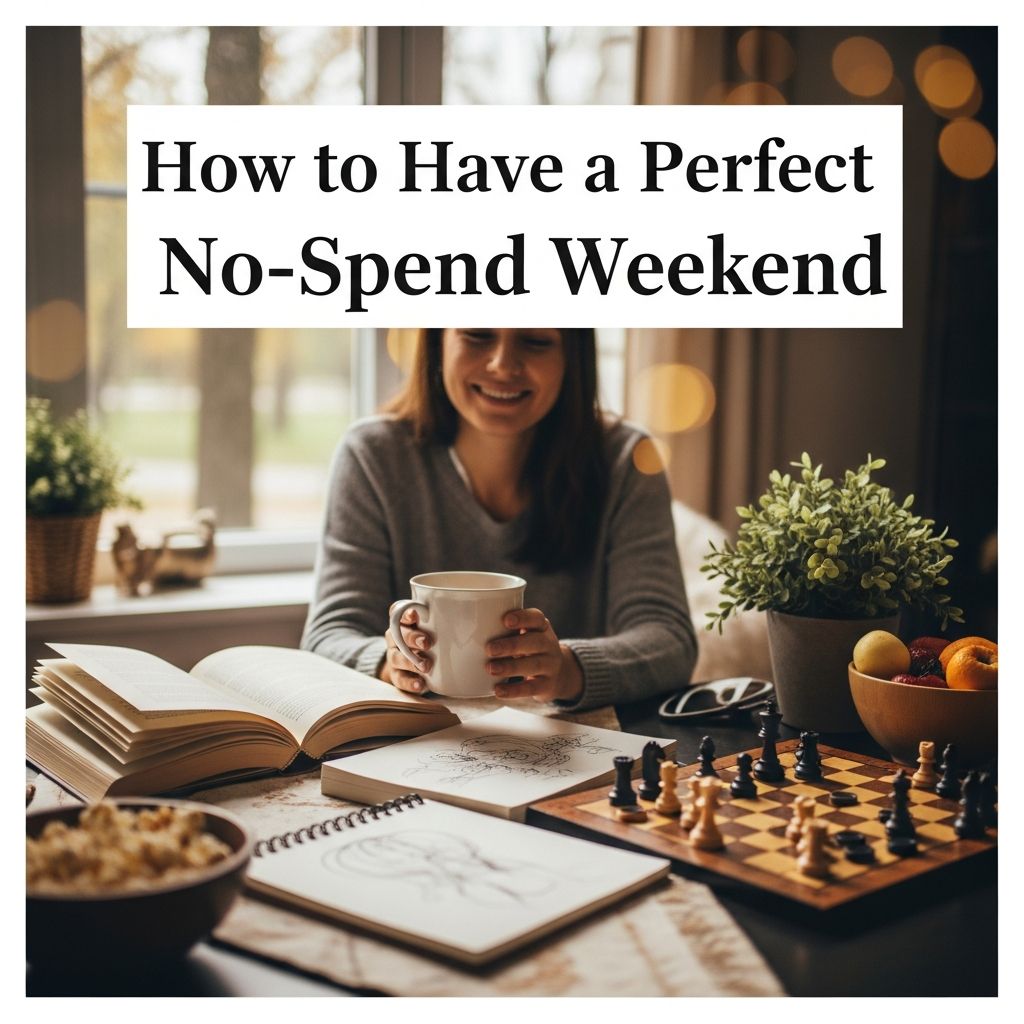
Embracing a no-spend weekend is an empowering way to break free from impulsive buying habits, accelerate debt payoff, build savings, or simply rediscover joy in free activities. Whether you’re aiming to curb mindless spending or inject excitement into your routine without draining your wallet, these strategies transform ordinary weekends into fulfilling adventures. By planning ahead and leveraging what’s already at your disposal, you can enjoy entertainment, meals, exercise, and relaxation—all for zero dollars.
Why Commit to a No-Spend Weekend?
A no-spend weekend challenges the convenience-driven culture where every device tempts us with purchases. It fosters mindfulness, much like tracking every penny disrupts impulse buys, creating space to evaluate needs versus wants. Research shows habits thrive on context; altering your environment—like avoiding usual spending spots—breaks the cycle. Financial experts emphasize assigning every dollar a purpose, making unplanned spends feel like dipping into savings. Benefits include faster debt reduction, emergency fund growth, and stress relief from financial pressure. Even short no-spend challenges build long-term discipline, proving fun doesn’t require money.
Prepare in Advance for Success
Success starts midweek. Stock your pantry with existing staples to avoid last-minute grocery runs—think pasta, rice, canned goods, and frozen items for creative meals. Review your calendar to identify free local events via community boards or apps (no new downloads needed). Charge devices, gather home entertainment options, and set a ‘no-spend pledge’ with household members. Create barriers to spending: remove wallet from easy access, log out of shopping apps, and use gift cards only if pre-purchased. Plan daily themes, like ‘home spa day’ or ‘nature exploration,’ to structure fun without cost. This preparation mirrors keeping a needs list to dodge impulse traps like free shipping lures.
- Pantry audit: Inventory ingredients for 3-4 meals per day.
- Event scouting: Check library calendars, park schedules, or neighborhood newsletters.
- Digital detox prep: Set phone to grayscale or app limits to reduce temptation.
- Accountability buddy: Share goals with a friend for mutual encouragement.
Delicious No-Spend Meals from Your Kitchen
Transform leftovers and basics into gourmet feasts. Breakfast: Oatmeal with pantry fruits or eggs from existing stock. Lunch: Homemade salads, wraps from tortillas and veggies, or soup from canned tomatoes and herbs. Dinner: Stir-fries, pasta primavera, or bean burritos using rice, beans, and spices. Desserts? Banana ‘nice cream’ or baked apples. Experiment with themes like ‘international night’ using spices for faux cuisines. This approach saves $10-15 per person daily on eating out while promoting creativity. Hydrate with infused water from tap and herbs—no bottled drinks needed.
| Meal Time | Ideas Using Common Staples | Prep Time |
|---|---|---|
| Breakfast | Oatmeal, smoothies, eggs | 5-10 min |
| Lunch | Wraps, salads, leftovers | 10-15 min |
| Dinner | Pasta, stir-fry, casseroles | 20-30 min |
| Snacks | Popcorn, fruit, yogurt | 2-5 min |
Free Entertainment at Home
Your home is a treasure trove. Dive into books from personal collections or unread stacks. Binge-watch downloaded shows, free streaming trials (if already active), or public domain films. Board games, puzzles, card nights—dust them off for family tournaments. Get creative: DIY crafts from recyclables, write stories, or practice instruments. Movie marathons with homemade popcorn rival theaters. For music, curate playlists from owned libraries. These activities combat weekend ruts without cost, echoing library resources for media cravings.
- Game nights with classics like Monopoly or charades.
- DIY spa: Baths with existing soaps, face masks from kitchen items (oatmeal, honey).
- Photo organization or journaling for reflective fun.
- Indoor yoga or dance parties via free online routines (pre-saved).
Outdoor Adventures Without a Dime
Nature beckons for free thrills. Hike local trails, picnic in parks with home-packed food, or bike familiar paths. Beachcomb, birdwatch, or stargaze. Visit free attractions: botanical gardens (public days), historical sites, or farmers’ markets for sensory enjoyment sans buying. Geocaching or nature photography using your phone adds adventure. Community events like outdoor concerts or sports practices offer spectator vibes. These burn calories, boost mood, and evade eating-out traps.
Socializing on a No-Spend Budget
Invite friends for potlucks using your no-spend meals—everyone contributes from home. Game nights, book swaps, or walking groups keep connections alive. Virtual hangouts via free calls. Avoid money pits like happy hours by choosing parks or home bashes. Change contexts to disrupt spending habits, like new picnic spots. Strengthen bonds through shared experiences, not expenses.
Productive Pursuits That Feel Like Play
Declutter closets for donation thrills, akin to Freecycle swaps. Deep-clean for satisfaction. Organize finances: Review budgets, track expenses manually for mindfulness. Learn skills via free library e-books or practiced hobbies. Garden with seeds from kitchen scraps. These build accomplishment, mirroring habit-breaking via environment tweaks.
Self-Care and Relaxation Rituals
Pamper without products: Meditate, journal gratitudes, nap luxuriously. Home workouts: Bodyweight exercises, yoga flows. Aromatherapy from kitchen scents (citrus peels). Read for escapism. These recharge without spa costs, promoting mental barriers to spending.
Avoiding Common Weekend Money Traps
Steer clear of dining out ($10-15/person), impulse shops, or entertainment fees. Stay home or choose free venues. Pre-plan counters boredom-driven spends. Wait 24-48 hours on urges, as delays kill impulses.
Tracking Your No-Spend Success
Log avoided spends: ‘$20 on coffee saved.’ At end, tally potential savings—motivates repeats. Reflect: What surprised you? Adjust for next time.
Frequently Asked Questions (FAQs)
Q: What if I run out of food?
A: Audit pantry thoroughly beforehand; focus on versatile staples. Stretch meals creatively.
Q: How do I entertain kids for free?
A: Parks, crafts from recyclables, storytime, outdoor scavenger hunts.
Q: Isn’t it boring without spending?
A: No—unleash creativity. Many find it liberating and more fun.
Q: Can I do this long-term?
A: Yes, rotate with mini-spend allowances for sustainability.
Q: How does it help debt?
A: Directs ‘saved’ funds to payments, building momentum.
Extend no-spend weekends into habits for financial freedom. Revisit often for refreshed savings.
References
- 5 Ways to Stop Your Mindless Spending — Wise Bread. 2015-approx (evergreen frugality advice remains relevant). https://www.wisebread.com/5-ways-to-stop-your-mindless-spending
- How to Have a Perfect No-Spend Weekend — Wise Bread. N/A. https://www.wisebread.com/how-to-have-a-perfect-no-spend-weekend
- How Not to Buy Too Much — Wise Bread. 2015-approx (timeless budgeting principles). https://www.wisebread.com/how-not-to-buy-too-much
- 24 Ways to Have a Blast This Weekend While Spending $0 — Wise Bread. N/A. https://www.wisebread.com/24-ways-to-have-a-blast-this-weekend-while-spending-0
- 8 Common Weekend Money Traps (And How to Avoid Them) — Wise Bread. N/A. https://www.wisebread.com/8-common-weekend-money-traps-and-how-to-avoid-them
Similar Articles








Read full bio of medha deb