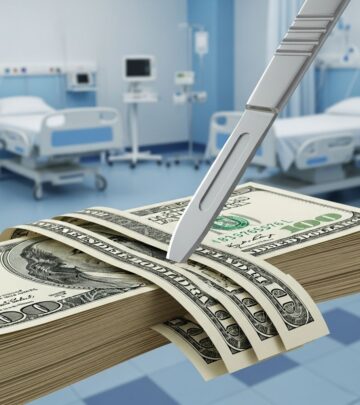
How To Handle A Massive Medical Bill: 7 Practical Steps
Facing a huge medical bill? Discover proven steps to scrutinize, negotiate, and reduce it without going into debt.

Receiving a massive medical bill can feel like a financial gut punch, especially when it’s far beyond what you expected or can afford. With healthcare costs soaring and errors common in up to 80% of bills, taking proactive steps is essential to reduce the burden. This guide outlines practical strategies to scrutinize, dispute, negotiate, and manage large medical debts while protecting your financial health.
1. Scrutinize Your Bill
The first and most critical step is to examine your bill line by line. Studies show that as many as eight in 10 medical bills contain errors, such as duplicate charges, incorrect procedure codes, or services not rendered. These mistakes can inflate costs by hundreds or thousands of dollars.
- Request an itemized bill: Don’t accept a summary statement. Insist on a detailed breakdown of every charge, including dates, descriptions, and provider names.
- Compare with your Explanation of Benefits (EOB): Your insurance EOB details what was covered and why. Match it against the provider’s bill to spot discrepancies, like unapplied insurance payments or out-of-network charges.
- Look for common errors: Watch for upcoding (billing for a more expensive service), phantom charges (services never provided), or unbundling (separating components of a procedure to charge more).
ER visits are particularly error-prone due to separate facility and physician bills processed out of order. If something seems off, document it and contact the billing department immediately.
2. Contact Your Insurance Company
Before paying anything, call your insurer to verify processing. Insurers negotiate rates with providers, and bills often arrive before full adjudication.
- Confirm coverage: Ask if all charges were applied correctly and if pre-authorizations were required.
- Appeal denials: If services were denied, file an internal appeal, then escalate to external review if needed. Success rates for appeals can exceed 50%.
- Check for balance billing: The No Surprises Act (2022) protects against out-of-network surprise bills in emergencies at in-network facilities, limiting your cost to in-network rates.
Pro tip: Keep records of all calls, including agent names, dates, and reference numbers. ER claims often resolve differently based on bill submission order.
3. Negotiate with the Provider
Hospitals and doctors often inflate charges expecting negotiations or non-payment. You can typically reduce bills by 20-50% through polite persistence.
- Ask for a discount: Explain your financial hardship and request a reduced ‘cash price’ or prompt-pay discount.
- Reference charity care: Non-profit hospitals must offer financial assistance programs for low-income patients, often forgiving debts above 200-400% of the federal poverty level.
- Get quotes in advance: For non-emergencies, call ahead to compare prices—hospitals must post estimates for common procedures online.
Be firm but courteous: ‘I appreciate the care, but this bill exceeds my means. Can we discuss options?’ Many providers prefer partial payment over collections.
4. Apply for Financial Assistance
Don’t overlook aid programs designed for medical debt relief.
| Program Type | Eligibility | Benefits |
|---|---|---|
| Hospital Charity Care | Income-based (e.g., <400% FPL) | Full or partial forgiveness |
| State/Local Aid | Varies by location | Grants, payment assistance |
| Non-Profits (e.g., Dollar For) | Undisputed debt >$500 | Debt forgiveness |
| Government (Medicaid Retroactive) | Recently eligible | Coverage backdated 3 months |
Submit applications promptly—deadlines apply. Over 100 million Americans have medical debt, but billions go unclaimed annually due to unawareness.
5. Set Up a Payment Plan
If discounts aren’t enough, negotiate interest-free installment plans. Avoid credit cards or loans with high interest.
- Hospital plans: Often 0% interest for 6-24 months, based on income.
- Match payments to budget: Propose affordable monthly amounts to prevent default.
- Get it in writing: Confirm terms, including no collections during the plan.
Payment plans preserve your credit while you save for larger lump sums later.
6. Dispute Errors and Incorrect Charges
If negotiations stall, escalate disputes formally.
- Submit a written dispute letter with evidence (itemized bill, EOB, payment proofs).
- Contact state insurance department or consumer assistance programs for free help.
- Request independent review if balance billing violates federal law.
Common wins include removing duplicate charges or correcting coding errors. Persistence pays off—many bills drop significantly post-dispute.
7. Explore Alternatives to Charging the Bill
High-interest credit cards worsen debt. Consider these instead:
- Crowdfunding (GoFundMe for medical needs).
- Medical credit cards (0% intro periods, but watch fees).
- Personal loans from credit unions (lower rates).
- Sell assets or side gigs for cash flow.
Prioritize plans that don’t accrue interest to minimize long-term costs.
Preventing Future Surprise Bills
Proactive habits save money long-term.
- Choose in-network providers: Verify before visits.
- Ask for good-faith estimates: Required for scheduled services over $500.
- Understand your policy: Know deductibles, copays, and out-of-pocket max.
- Use price transparency tools: Sites like Healthcare Bluebook or hospital price lists.
With rising costs, 60% of insured adults face billing issues yearly. Arm yourself with knowledge.
Frequently Asked Questions (FAQs)
Q: What is a surprise medical bill?
A: An unexpected charge from out-of-network providers, often in emergencies. The No Surprises Act limits these for ER and in-network facility care.
Q: How common are medical billing errors?
A: Up to 80% of bills have errors like duplicates or overcharges, per reports.
Q: Can I negotiate hospital bills?
A: Yes, often 20-50% reductions via discounts or charity care for qualifying patients.
Q: What if insurance denies coverage?
A: Appeal internally, then externally. Consumer aid programs assist for free.
Q: How do I avoid credit card debt for bills?
A: Opt for 0% payment plans, financial aid, or low-interest alternatives first.
Real Stories: Lessons from Surprise Bills
One family faced a $3,800 ER bill for 90 minutes, X-rays, and meds. Negotiations and insurance appeals cut it significantly, but upfront pricing could have halved costs. Another skipped a $1,800 test after inquiring, avoiding high-deductible pain. These highlight the power of questions and scrutiny.
Medical debt affects millions, but armed with these steps, you can fight back effectively. Start today—your wallet will thank you.
References
- How About a Price List at the Hospital or Doctor’s Office? — Wise Bread. 2010 (relevant for ongoing billing practices). https://www.wisebread.com/how-about-a-price-list-at-the-hospital-or-doctor-s-office
- How to handle surprise medical bills as health care costs rise — KVUE (ABC affiliate). 2025-10-29. https://www.youtube.com/watch?v=2osoD-EY80M
- How to Handle a Massive Medical Bill — Wise Bread. N/A. https://www.wisebread.com/how-to-handle-a-massive-medical-bill
- Managing unexpected medical bills — Bread Financial. N/A. https://www.breadfinancial.com/en/financial-education/responsible-saving/medical-bills-management.html
- 5 Alternatives to Charging Your Medical Bills — Wise Bread. N/A. https://www.wisebread.com/5-alternatives-to-charging-your-medical-bills
Similar Articles








Read full bio of Sneha Tete