Financial Detox: A Step-By-Step Plan To Stop Toxic Spending
Stop toxic spending habits and regain control of your finances with proven detox strategies.
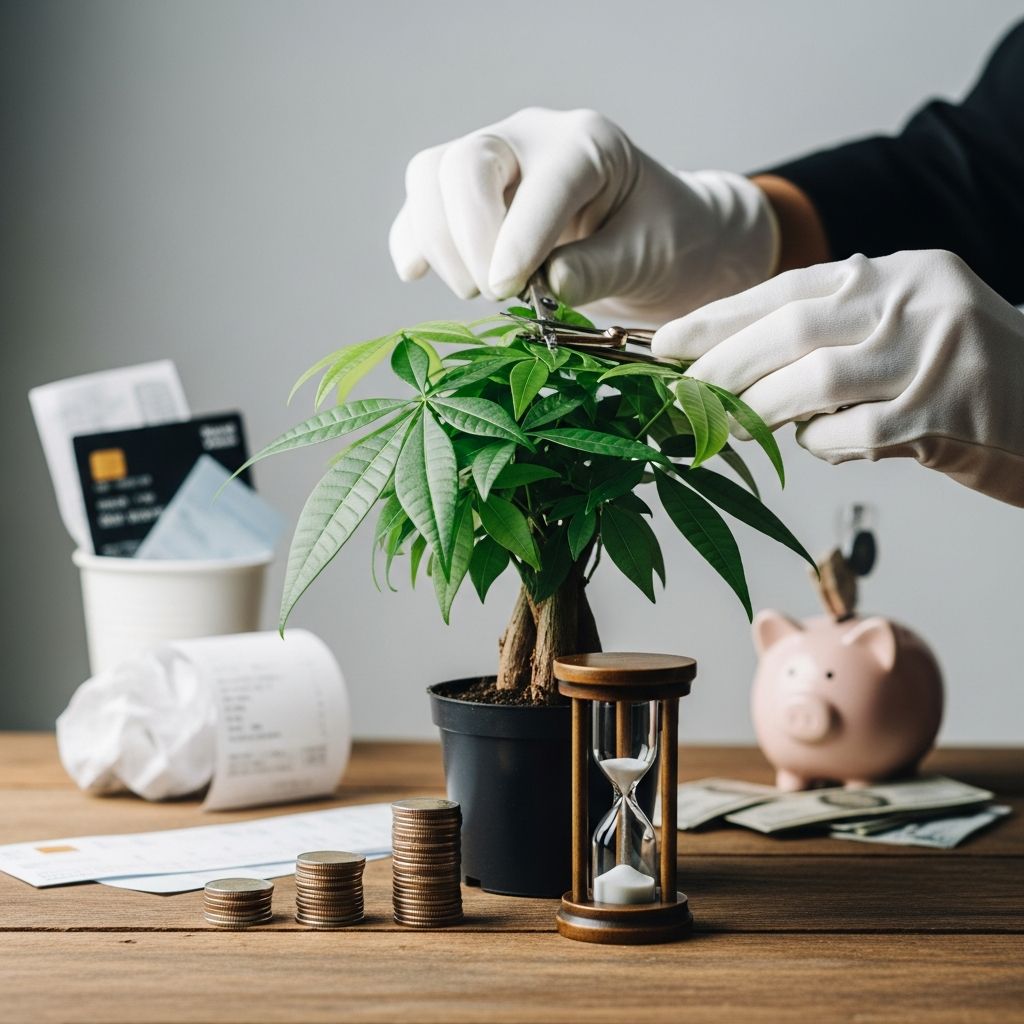
When we think about detoxification, our minds often drift toward physical cleanses and body purification routines. However, your financial health requires the same attention and care as your physical well-being. Just as a body accumulates toxins that need to be flushed out, your finances can accumulate toxic spending habits that drain your resources and prevent you from achieving financial security. A financial detox is the antidote to uncontrolled spending behavior and the gateway to reclaiming your financial independence.
Understanding Toxic Spending
Toxic spending is spending that you cannot control and that you cannot afford. Unlike occasional splurges or calculated indulgences, toxic spending represents habitual, impulsive financial decisions that consistently drain your bank account. This type of spending is damaging to your financial health in the same way that environmental toxins and drugs damage your physical health—it keeps you from ever finding financial security and peace of mind.
Toxic spending differs fundamentally from regular discretionary spending. When you can afford an occasional dinner out or entertainment expense, that’s reasonable. However, when spending becomes compulsive, untracked, and unaffordable, it transitions into the toxic category. The key distinction lies in control: toxic spending happens to you, whereas conscious spending is a choice you make intentionally.
The psychological component of toxic spending cannot be overlooked. Similar to physical addictions, certain spending patterns trigger chemical reactions in your brain that create cravings and reward mechanisms. Your brain becomes conditioned to seek the dopamine rush associated with purchases, making the behavior difficult to break without deliberate intervention and sustained effort.
The Prevention-First Approach
Here’s an important truth about detoxification: roughly 90% of the detoxing process involves preventing new toxins from entering your system. Whether you’re detoxing from heroin, nicotine, caffeine, or destructive spending habits, the critical first step is stopping the toxins from re-entering your life. Flushing existing toxins from your financial system is important, but it becomes pointless if you don’t implement prevention strategies to stop new toxic behaviors from recurring.
The same principle applies to spending detoxes. The majority of your financial cleansing process will involve learning to stop stupid spending behavior before it happens. A spending detox is fundamentally about prevention, planning, and learning to let some things slide. This means building barriers between yourself and temptation, creating friction in the spending process, and developing new habits that support your financial goals.
Finding Hidden Toxins in Your Spending
Before you can treat the disease, you must diagnose it. Finding the hidden toxins in your spending requires detailed examination of your financial statements. Begin by reviewing your bank and credit card statements with meticulous attention to detail.
If you receive paper bills, go through them with a highlighter, marking any purchase or charge that you don’t recognize. Investigate each unfamiliar transaction—there should be a phone number associated with online purchases. Call and determine exactly what you bought and whether you need the service or product.
Once you’ve identified unknown expenses and addressed them, you must maintain ongoing monitoring to ensure they don’t reappear. However, most of your toxic spending will likely be familiar because it’s something you do regularly, impulsively, or both. That daily coffee, the weekly shopping trips, the subscription services you forgot about—these are the toxins you already know about but haven’t addressed.
Identifying Your Spending Triggers
Uncontrollable spending usually has specific catalysts that trigger impulsive behavior. Understanding your personal triggers is crucial for developing an effective detox strategy. Common triggers include:
- Stress or emotional discomfort seeking immediate relief through purchases
- Environmental cues like notifications, advertisements, or proximity to stores
- Social pressure or FOMO (fear of missing out)
- Fatigue or decision fatigue leading to impulse choices
- Boredom or lack of fulfilling activities
- Habit formation around certain times or situations
By identifying your specific triggers, you can develop targeted interventions that address the root cause of your spending behavior rather than just treating the symptoms.
Changing Behaviors and Habits
Once you’ve identified the poisons making your bank account sluggish, you must change the behaviors that lead to toxic spending. Like a physical detox, you might have to make serious behavioral adjustments, change some long-held habits, and even modify certain social relationships. This isn’t comfortable, but it’s necessary for your financial recovery.
Abrupt lifestyle and spending changes are easier to handle when you frame them as temporary experiments. Rather than thinking “I’ll never eat out again,” reframe it as “I’m going to eliminate dining out for one month as an experiment.” This psychological shift makes the change feel manageable and time-limited rather than permanent and overwhelming.
One effective approach is going cold turkey on your toxic spending for a fixed period. Choose a specific time frame—whether it’s one week or one month—and commit to buying only essentials. No new clothes, no gadgets, no dining out, no impulse purchases at all. One month? You can do this. The key is knowing that the stoppage is temporary, which makes it psychologically sustainable.
Making It Harder to Spend
Prevention involves removing friction from good financial decisions and adding friction to bad ones. Make it physically harder to engage in toxic spending by implementing practical barriers:
- Credit Card Management: If you overuse your credit card, remove it from your wallet and put it somewhere you won’t see or access it easily. Out of sight means out of mind.
- Online Shopping: Delete all stored credit and debit card information from shopping websites and your PayPal account. Eliminate the ease of one-click purchasing.
- Deal Subscriptions: Temporarily suspend daily deal subscriptions like Groupon and LivingSocial that flood your inbox with temptations.
- Notifications: Turn off push notifications from shopping apps and retailers that alert you to sales and new arrivals.
- Browser Extensions: Install extensions that block access to shopping websites during your detox period.
By making spending more difficult, you introduce a moment of pause where conscious thought can intervene in the impulsive purchase decision. When you must manually enter your credit card information and go through multiple steps to complete a purchase, many impulse buying moments will pass without action.
Evaluating Your Results
After your designated detox period—whether it’s one week or one month—examine your bank account and evaluate the results. Ask yourself critical questions:
- Are you shocked by how easily bills have been paid?
- Do you have more money leftover than you thought possible given your salary?
- How do you feel emotionally and psychologically after eliminating toxic spending?
- What insights did you gain about your spending patterns?
- Which toxic spending habits were easiest to eliminate, and which were most difficult?
If the results are disappointing, you may need to try a deeper spending detox with stricter measures. If the results are positive—and they usually are—you face an important decision: return to business as usual, or alter your future behavior to make your detox permanent.
Making Your Detox Permanent
The most important phase of any detox is maintenance. Detoxing isn’t just about getting rid of bad spending behaviors; you must prevent forming new ones. The habits and barriers you implemented during your detox period shouldn’t disappear when the time frame ends.
Consider establishing permanent changes based on what you learned:
- Keep your credit card inaccessible if that worked during your detox
- Maintain deleted payment information on shopping sites
- Keep deal subscriptions suspended
- Continue blocking problematic websites or apps
- Establish a “cooling off” period before any non-essential purchase
- Redirect the money you save into a dedicated savings account
Don’t put the money you save during your detox back into circulation where it can be spent on toxic purchases. Instead, stash it in a free savings account that isn’t connected to any of your credit or debit cards. You don’t have to deposit it into an IRA or CD, although you certainly could, but at least keep it physically and digitally separated from your spending money.
Building Long-Term Financial Health
A financial detox is not a one-time event but rather a tool you can use whenever you find yourself guilty staring at your bank statement, realizing you’ve spent yourself into a hole. Any time you feel financially out of control, you can revisit these detox principles to regain financial balance.
Getting into the habit of doing regular financial detoxes helps you check in with yourself and re-establish confidence in your financial health. Just as you might do a physical cleanse seasonally or after periods of indulgence, you can implement financial detoxes as needed throughout the year.
The goal isn’t to deprive yourself forever or eliminate all joy from spending. Rather, it’s to regain conscious control over your financial decisions so that spending reflects your values and supports your goals. Once you’ve detoxed and established new habits, you can enjoy guilt-free discretionary spending within the bounds of what you can actually afford.
Frequently Asked Questions
Q: How long should a financial detox last?
A: Start with a time frame that feels challenging but achievable—typically one week to one month. The key is knowing the period is fixed and temporary, which makes behavioral change more sustainable.
Q: What if I fail during my detox period?
A: One slip-up doesn’t mean failure. Acknowledge the lapse, understand what triggered it, and resume your detox immediately. You’re building new habits, and habits take time to form.
Q: Can I do a financial detox if I have debt?
A: Absolutely. In fact, a financial detox is especially valuable when you have debt because it frees up money that can be directed toward debt repayment, accelerating your path to financial freedom.
Q: How do I handle social situations during my detox?
A: Be honest with friends and family about your financial detox. Suggest free or low-cost activities, or simply decline social events that revolve around spending. Most people will be supportive of your financial goals.
Q: What’s the difference between a budget and a financial detox?
A: A budget is an ongoing spending plan that tracks income and expenses. A financial detox is a temporary intervention to break toxic spending patterns and reset your relationship with money.
References
- How to Go on a Financial Detox — Wise Bread. https://www.wisebread.com/how-to-go-on-a-financial-detox
- Out with the Old, In with the New: A Financial Detox for a Fresh Start — OneUnited. https://www.oneunited.com/blog/out-with-the-old-in-with-the-new-a-financial-detox-for-a-fresh-start/
- 6 Steps to a Financial Detox: How to Spend Money Wisely — Tony Robbins. https://www.tonyrobbins.com/blog/6-steps-to-financial-detox
Similar Articles








Read full bio of medha deb