How to Give Yourself a Manicure at Home
Master professional-quality manicures at home with simple tools, techniques, and tips to save money and achieve salon results.
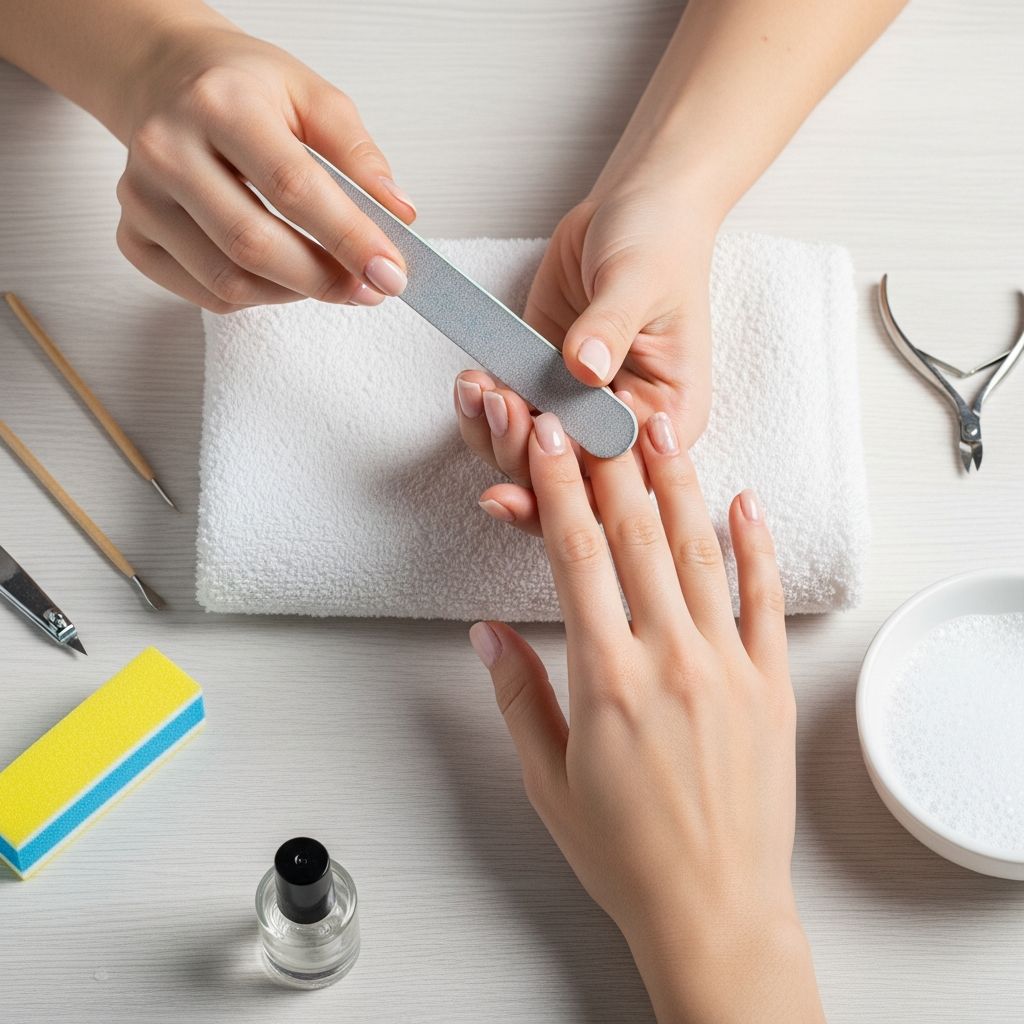
Performing a manicure at home is an empowering way to maintain beautiful nails without salon prices or appointments. With basic tools and techniques, you can achieve professional results that last. This guide covers every step, from preparation to finishing touches, drawing on proven methods for smooth, polished nails.
Gather Your Supplies
Start with essential tools to ensure a smooth process. You’ll need a nail file, buffer, cuticle pusher or orangewood stick, nail clippers, acetone or polish remover, base coat, nail polishes, top coat, cuticle oil, and a UV lamp if using gel. Affordable kits from drugstores work well for beginners.
- Nail file (180-240 grit): Shapes nails without damage.
- Buffer block: Smooths surface gently.
- Cuticle tools: Metal pusher or wooden stick for precision.
- Bowl of warm water: Softens cuticles.
- Cotton pads and Q-tips: For cleanup.
- Polishes and oil: Choose quality brands for longevity.
Step 1: Remove Old Polish
Begin by wiping away any existing polish using acetone or non-acetone remover on a cotton pad. Saturate the pad and press it on the nail for 10-20 seconds to dissolve color without rubbing, which prevents cotton fuzz. For glitter polishes, soak nails in acetone for 5-10 minutes to ease removal.
Step 2: Shape Your Nails
File nails in one direction, never back-and-forth, to avoid splitting or peeling. Use a gentle sawing motion from outer edge toward center. Popular shapes include squoval (square-oval) for durability or almond for elegance. File edges smooth and round tips slightly.
- Squoval: Modern, low-maintenance.
- Stiletto: Dramatic, but prone to breakage.
- Tip: Match all nails for symmetry; file after bathing when nails are softer.
Step 3: Soak and Soften Cuticles
Soak fingertips in lukewarm soapy water for 5 minutes to soften cuticles. Add a drop of cuticle oil or lotion post-soak for hydration. This step makes pushing cuticles easier and prevents tearing.
Step 4: Clean and Push Cuticles
Gently push back cuticles with a metal pusher or orangewood stick using small circular motions. Avoid cutting unless dead skin is excessive—use nippers sparingly to prevent infection. Wipe away debris with a damp cloth. For gel manicures, lightly buff the nail perimeter and sides for better adhesion.
| Tool | Technique | Benefit |
|---|---|---|
| Curved metal pusher | Circular motions | Lifts without scraping |
| Orangewood stick | Gentle push | Natural, less aggressive |
| Cuticle nippers | Only on dead skin | Precise trimming |
Step 5: Buff the Nail Surface
Lightly buff nails with a multi-side buffer: start with the coarsest side around edges, then smoother sides overall. This creates texture for polish adhesion without thinning nails. Rinse off dust thoroughly.
Wear UV protective gloves if using a curing lamp to shield skin.
Step 6: Hydrate Nails
Apply cuticle oil or vitamin E cream to nails and cuticles. Massage in for 1-2 minutes to boost moisture and strength. Let absorb before polishing.
Step 7: Apply Base Coat
Base coat prevents stains and extends wear. Apply a thin layer from cuticle to tip, avoiding sides initially. For gel, cure under UV/LED lamp per instructions (usually 30-60 seconds). Let dry 1 minute for regular polish.
Step 8: Polish Your Nails
Choose 2-3 coats of color for opacity. Start with a base near cuticle (leave 1mm gap), stroke down center, then sides. Use thin layers for even drying. Cure each coat for gel. Second coat glides easier over the first.
- Pro tip: Polish in good light; use a steady hand.
- Drying aid: Cold water dip after top coat.
Step 9: Seal with Top Coat
Top coat adds shine and chip resistance. Apply generously over color, sealing edges. For gel, cure fully. Reapply every 2 days for longevity. Clean sticky residue with alcohol wipe (gel only, at end).
Maintenance and Removal
Moisturize daily with oil. Touch up chips promptly. For gel removal, soak in acetone 10-15 minutes, then gently lift. Regular manicures last 7-10 days; gel up to 3 weeks.
Frequently Asked Questions (FAQs)
Q: How long does an at-home manicure last?
A: Regular polish lasts 5-7 days; gel up to 21 days with proper application and top coats.
Q: Can I do gel manicures at home without damaging nails?
A: Yes, with gentle buffing and quality products; always moisturize and avoid over-filing.
Q: What’s the best way to avoid smudges?
A: Apply thin coats, cure properly, and use quick-dry top coat.
Q: How often should I buff my nails?
A: Every manicure for prep, but lightly to preserve nail health.
Q: Are at-home manicures cheaper than salon?
A: Yes, save $20-40 per session with reusable tools.
Advanced Tips for Salon-Quality Results
Nail Art: Use striping tape or dotting tools for designs. Practice on a fake nail first.
Gel vs. Regular: Gel offers longevity but requires lamp; regular is simpler for beginners.
- Invest in LED/UV lamp for gel.
- Store polishes in cool, dark place.
- Weekly oil treatments strengthen nails.
Host a spa day with friends for fun, budget-friendly pampering.
References
- Step-by-Step Gel Manicure AT-HOME! // SAVE TIME & $$! — YouTube. 2023. https://www.youtube.com/watch?v=BV4n4HWFRZM
- Easy At-Home Manicure Tutorial | Sephora — YouTube (Sephora). 2022. https://www.youtube.com/watch?v=xNNr-ykkaoQ
- How to At Home Manicure | DIY Natural Nails with Salon Results! — YouTube. 2023. https://www.youtube.com/watch?v=IZBTwwdR-gc
- AT HOME MANICURE: for beginners — YouTube. 2022. https://www.youtube.com/watch?v=L2o7A_GXDTE
- How I care for my nails in between gel sets | DIY natural scrub — YouTube. 2023. https://www.youtube.com/watch?v=EbKg5peemVI
Similar Articles







Read full bio of Sneha Tete