How to Get Your Car Ready for Hurricane Season
Essential steps to prepare your vehicle for hurricane season, ensuring safety, reliability, and peace of mind during severe weather events.
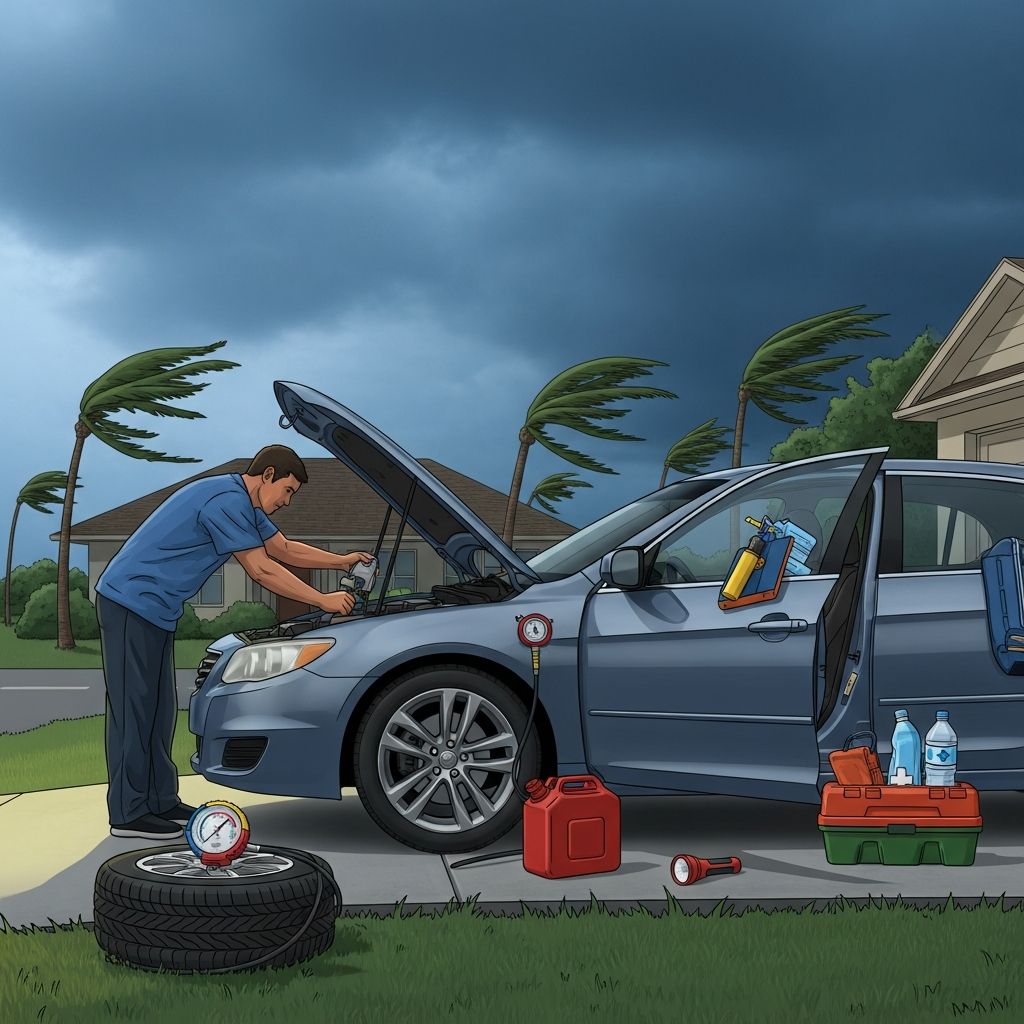
Hurricanes bring powerful winds, heavy rain, and flooding that can damage vehicles and strand drivers. Preparing your car ahead of time ensures it remains reliable for evacuation or post-storm recovery. This guide covers all essential steps, from routine maintenance to assembling an emergency kit, drawing on proven strategies to safeguard your vehicle.
Before Hurricane Season Starts: Basic Maintenance Check
Start preparations early with a thorough maintenance check before the season begins, typically June 1 to November 30 in the Atlantic basin. A well-maintained car is less likely to fail when you need it most.
- Oil Change: Fresh oil lubricates the engine, preventing overheating in traffic jams or high-heat conditions during evacuations.
- Wiper Fluid: Top off reservoirs; visibility is critical in torrential downpours.
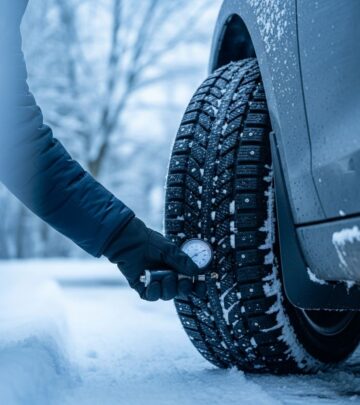
- Tire Pressure: Check and inflate to manufacturer specs. Underinflated tires reduce fuel efficiency and handling on wet roads.
- Battery Cleaning: Clean terminals to avoid corrosion-related failures, common in humid climates.
Schedule a professional inspection if you’re not mechanically inclined. According to the National Weather Service, vehicle breakdowns spike during storms due to neglected maintenance.
Check Your Tires
Tires are your car’s connection to the road, especially vital on flooded or debris-strewn highways. Inspect tread depth using the penny test: if Lincoln’s head is visible, replace them immediately.
- Ensure even wear across all four tires.
- Rotate tires if needed for balanced performance.
- Carry a spare tire, jack, and lug wrench in accessible condition.
For hurricane-prone areas, consider all-season or performance tires with strong wet traction ratings. Floodwaters can hydroplane vehicles at depths as low as six inches, per NOAA guidelines.
Inspect Brakes and Battery
Brakes must stop reliably on slick surfaces, while a strong battery powers starts after power outages. Test brakes for responsiveness and listen for unusual noises.
- Brake Pads: Replace if thickness is below 1/4 inch.
- Battery: Test charge; batteries over three years old are prone to failure. Clean corrosion with baking soda and water.
- Replace belts and hoses showing cracks, as humidity accelerates deterioration.
The AAA recommends annual battery tests for storm-prone regions.
Fluid Levels and Belts
Top off all fluids: coolant (to prevent overheating), transmission, brake, and power steering. Inspect serpentine belts for fraying—snapped belts can disable alternators or water pumps.
Low coolant is a top cause of roadside breakdowns during summer storms. Use the correct antifreeze mix to avoid freezing in unexpected cold fronts post-hurricane.
Emergency Kit for Your Car
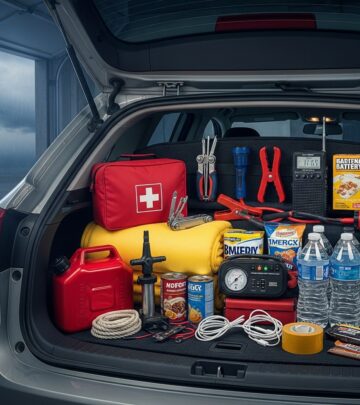
Pack a dedicated car kit in a waterproof container. This can sustain you if stranded.
| Category | Items |
|---|---|
| Water & Food | 1 gallon water/person/day (3 days), non-perishable snacks, energy bars |
| First Aid | Bandages, antiseptics, medications, tweezers, pain relievers |
| Tools | Flashlight, multi-tool, duct tape, rope, tire repair kit |
| Comfort | Blankets, change of clothes, rain ponchos, sanitation items |
| Communication | Battery radio (NOAA-enabled), phone charger, local maps |
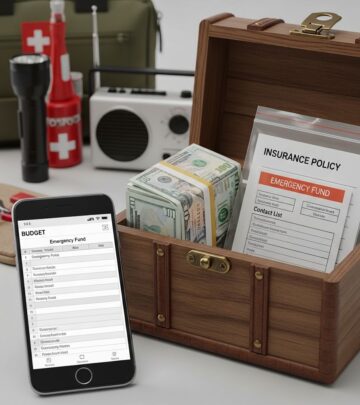
| Documents | Car registration, insurance, ID copies, cash in small bills |
Include pet supplies if applicable. Replenish annually.
Fill Up the Gas Tank
Never let your tank drop below half full during hurricane season. Power outages disable pumps, creating long lines.
- Keep a five-gallon gas can securely stored as backup.
- Consider a fuel stabilizer for long-term storage.
FEMA advises at least a quarter tank at all times in disaster zones.
Where to Park During a Hurricane
Strategic parking minimizes damage from wind, debris, or floods.
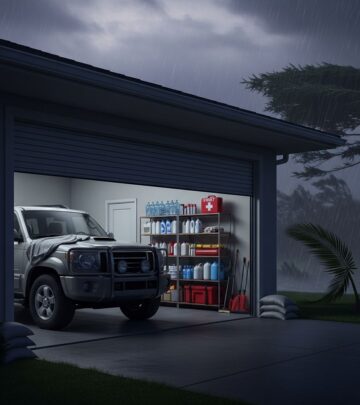
- Park in a sturdy garage, away from potential falling objects.
- If flooding risks, elevate on higher ground or covered structures.
- Avoid trees, poles, and low-lying areas.
- For multiple vehicles, designate trusted movers.
Close windows/sunroofs tightly and remove valuables. Use moving blankets for extra protection.
Evacuation Planning
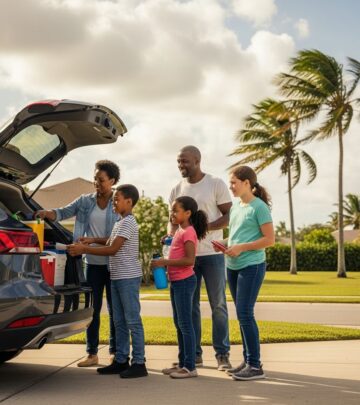
Know routes via apps like Waze or FEMA’s site. Practice drives.
- Monitor National Hurricane Center forecasts.
- Sign up for local alerts.
- Have cash for tolls/gas if cards fail.
Evacuate early to avoid gridlock.
Post-Hurricane Vehicle Recovery
If flooded, do not start the engine—water in cylinders causes severe damage. Tow to higher ground and dry thoroughly.
- Inspect for saltwater corrosion.
- Check insurance for flood deductibles.
Professionals should assess submerged vehicles.
Frequently Asked Questions (FAQs)
Q: How often should I check tire pressure during hurricane season?
A: Weekly, as heat and load changes affect pressure. Proper inflation improves safety on wet roads.
Q: What’s in a minimal car emergency kit?
A: Water, food, first aid, flashlight, radio, jumper cables, and documents cover basics for 72 hours.
Q: Can I drive through floodwater?
A: No—six inches can sweep cars away. Turn around, don’t drown.
Q: How do I protect my car in a garage?
A: Brace the door, clear heavy items, park centrally.
Q: Is car insurance enough for hurricanes?
A: Standard policies exclude floods; add comprehensive or check riders.
This preparation turns your car into a lifeline. Stay informed via NOAA and local authorities.
References
- How to Prepare for a Hurricane [Plus Free Downloadable Checklist] — Vault Insurance. 2023. https://www.vaultinsurance.com/knowledge-hub/articles/how-to-prepare-for-a-hurricane/
- How to Get Your Car Ready for Hurricane Season — Wise Bread. Accessed 2026. https://www.wisebread.com/how-to-get-your-car-ready-for-hurricane-season
- Cars and Transportation — Wise Bread. Accessed 2026. https://www.wisebread.com/topic/personal-finance/cars-and-transportation
- Micro-Prepping: How to Prepare for Small Disasters — Wise Bread. Accessed 2026. https://www.wisebread.com/micro-prepping-how-to-prepare-for-small-disasters
- Hurricane Preparedness Guide 2019 — Thompson Baker. 2019-06. https://thompsonbaker.com/wp-content/uploads/2019/06/2019-Hurricane-Guide.pdf
- How To Be Financially Ready for Hurricane Season — American National Bank. Accessed 2026. https://www.anbank.net/_/kcms-doc/1603/67465/How-To-Be-Financially-Ready-for-Hurricane-Season.pdf
- Hurricane Preparedness – Your AAA Network — AAA Northeast. Accessed 2026. https://magazine.northeast.aaa.com/shorthand_story/hurricane-guide/
Similar Articles








Read full bio of medha deb