How to Get the Greenest Lawn on the Block — Naturally
Achieve a lush, envy-worthy lawn without chemicals or breaking the bank using simple, natural methods and homemade tonics.
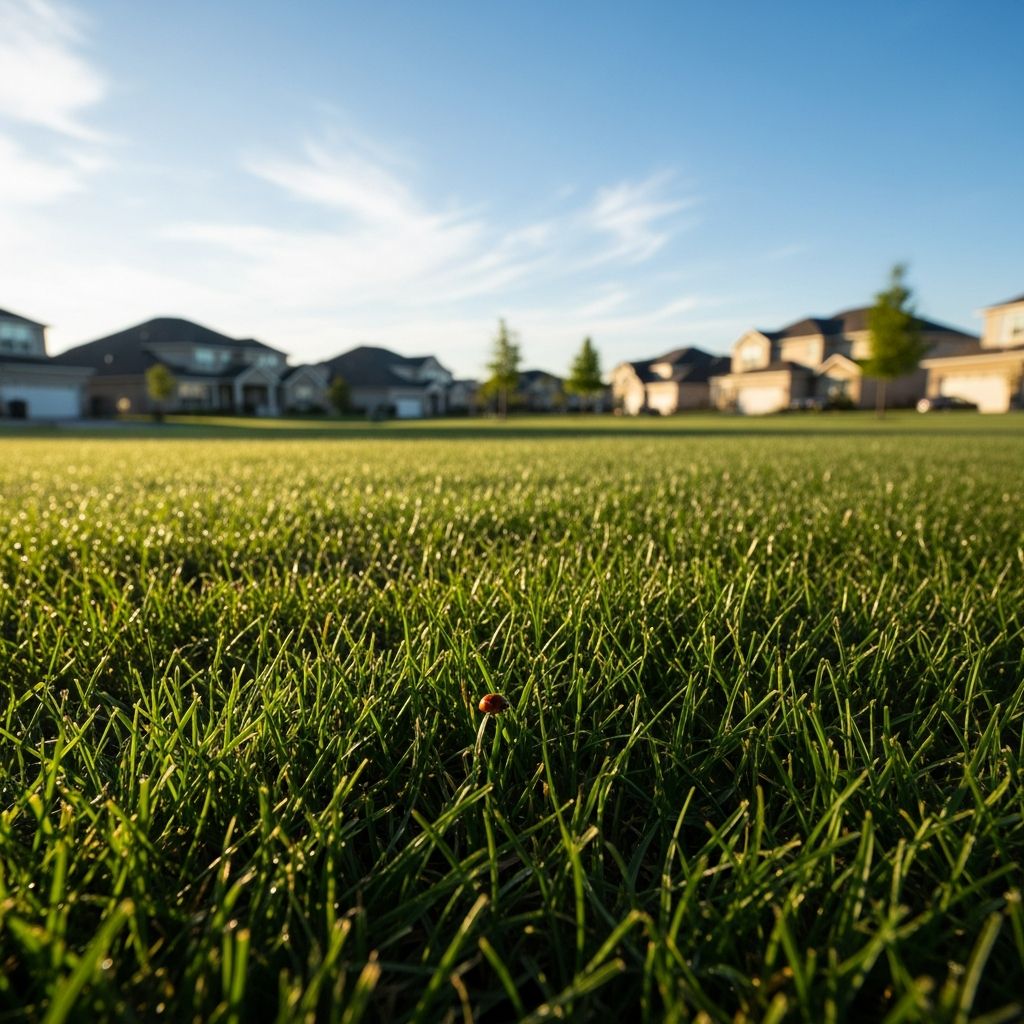
A lush, vibrant green lawn is the pride of any homeowner, but achieving it doesn’t require expensive chemicals or professional services. With simple, natural techniques and household ingredients, you can transform your yard into the envy of the neighborhood while saving money and protecting the environment. This guide covers everything from soil preparation to a secret lawn tonic recipe shared by golf course groundskeepers, ensuring your grass stays healthy and green year-round.
Understand Your Lawn’s Needs
Before applying any treatments, assess your lawn’s specific conditions. Different grass types14such as cool-season varieties like Kentucky bluegrass or warm-season types like Bermuda14have unique requirements for sun, water, and nutrients. Test your soil pH, which should ideally be between 6.0 and 7.0 for most grasses, using a home kit or local extension service. Poor soil is the root of most lawn problems, leading to weak roots, patchy growth, and vulnerability to weeds and pests.
- Conduct a soil test annually to check for nutrient deficiencies in nitrogen, phosphorus, and potassium.
- Observe your lawn’s exposure: full sun lawns need different care than shaded areas.
- Identify your grass type to tailor watering and mowing schedules accordingly.
Armed with this knowledge, you can avoid guesswork and apply targeted natural solutions that yield superior results compared to generic chemical fertilizers.
Improve Your Soil Naturally
Healthy soil is the foundation of a green lawn. Instead of synthetic amendments, use organic matter to enhance structure, drainage, and nutrient retention. Aerate compacted soil in spring or fall by poking holes with a garden fork, allowing air, water, and nutrients to reach roots. Top-dress with compost or finely screened topsoil to build organic content over time.
| Method | Benefits | Frequency |
|---|---|---|
| Aeration | Reduces compaction, improves root growth | Once a year |
| Compost top-dressing | Adds nutrients, improves soil biology | 1-2 times per season |
| Organic mulch | Retains moisture, suppresses weeds | As needed |
Incorporate grass clippings back into the lawn as mulch—they decompose to release nitrogen naturally. Avoid bagging clippings, as this practice recycles up to 25% of your lawn’s fertilizer needs.
The Secret Lawn Tonic Recipe
One of the most effective and affordable ways to green up your lawn is a homemade tonic popularized by golf course groundskeeper Paul Heffron. This simple mixture uses everyday household items to promote growth, kill pests, and enhance soil penetration14 all for pennies per application.
Ingredients (makes enough for 2,500-5,000 sq ft):
- 1 can of beer (cheap works fine; provides sugars for soil microbes)
- 1 cup of household ammonia (promotes growth and greening)
- 1/2 cup of liquid dish soap (acts as a wetting agent; avoid antibacterial types)
- 1 cup of mouthwash (disrupts insect reproductive cycles)
- 1 cup of regular cola (adds phosphorus and trace minerals)
How to Apply:
- Mix all ingredients in a large bucket.
- Pour into a hose-end sprayer set to 4-6 oz per gallon of water.
- Apply evenly on a sunny day after dew dries, covering the entire lawn.
- Water lightly afterward if no rain is expected.
This tonic works synergistically: ammonia supplies quick-release nitrogen for that vibrant green color, dish soap helps everything soak into the soil, mouthwash targets grubs and bugs without harming grass, beer feeds beneficial microbes, and cola provides micronutrients. Users report dramatic improvements within days, with lawns staying lush through heat and drought. Apply every 2-3 weeks during growing season for best results. It’s safe for pets and kids once dry and environmentally kinder than commercial products.
Mowing for Maximum Green
Mowing correctly is crucial for thick, green growth. Never cut more than one-third of the blade at once to avoid stressing the grass. Set your mower to 2.5-3.5 inches for most varieties—taller grass shades soil, retains moisture, and crowds out weeds.
- Keep blades sharp for clean cuts that prevent disease.
- Mow frequently during peak growth, leaving clippings on the lawn.
- Alternate directions each mow to prevent ruts and promote upright growth.
During hot summers, raise the height to reduce water loss and heat stress, resulting in deeper roots and better drought tolerance.
Watering Wisely
Deep, infrequent watering encourages strong roots over shallow, frequent sprinkles. Aim for 1 inch of water per week, delivered in one or two sessions. Early morning is ideal to minimize evaporation and fungal issues.
- Use a rain gauge or tuna can to measure output.
- Water only when grass shows wilt (blades fold or footprints linger).
- Avoid evening watering to prevent overnight moisture buildup.
In restricted areas, the lawn tonic helps deliver nutrients efficiently with less water, keeping grass green even under limitations.
Natural Weed and Pest Control
Ditch chemicals for natural alternatives. Pull weeds by hand or use a vinegar-salt solution for spot treatment (20% vinegar works best). The mouthwash in the tonic naturally deters grubs and surface insects by disrupting their cycles.
- Encourage beneficial insects with flowering borders.
- Apply corn gluten meal in spring as a pre-emergent weed preventer.
- Introduce nematodes for grub control—they’re safe and effective.
A thick, healthy lawn from proper care naturally resists weeds and pests, reducing the need for interventions.
Seasonal Maintenance Tips
Tailor care to your climate:
- Spring: Aerate, overseed thin spots, apply first tonic dose.
- Summer: Water deeply, mow high, tonic every 3 weeks.
- Fall: Fertilize with compost, overseed, final aeration.
- Winter: Minimal care; tonic not recommended on dormant grass.
Overseeding annually with improved varieties ensures long-term vigor.
Frequently Asked Questions (FAQs)
Q: How often should I apply the lawn tonic?
A: Every 2-3 weeks during the active growing season (spring through fall). Reduce in extreme heat.
Q: Is the tonic safe for pets and children?
A: Yes, once it dries. Keep off the lawn for a few hours after application.
Q: Can I use it on all grass types?
A: Most common types yes, but test a small area first on St. Augustine or Zoysia.
Q: Does it replace regular fertilizer?
A: It supplements; combine with soil-tested organic fertilizers for complete nutrition.
Q: What if my lawn is mostly brown?
A: Consistent tonic applications, proper watering, and mowing will revive it over 4-6 weeks.
Q: Will it help with moles or grubs?
A: Yes, the mouthwash targets grubs (moles’ food), reducing their activity.
Why Natural Methods Win
Natural lawn care not only produces greener results but saves money— the tonic costs under $1 per application versus $50+ for services. It’s sustainable, boosting soil health for years. Homeowners report compliments from neighbors, with lawns outperforming chemically treated ones in texture and resilience. Start today, and watch your yard become the greenest on the block.
References
- Extension Soil Testing Services — USDA Natural Resources Conservation Service. 2024-01-15. https://www.nrcs.usda.gov/wps/portal/nrcs/main/soils/health/
- Turfgrass Fertility: Understanding Fertilizer Labels, Rates, and Application — University of Georgia Cooperative Extension. 2023-06-20. https://extension.uga.edu/publications/detail.html?number=B1318
- Water Requirements of Turfgrasses — Texas A&M AgriLife Extension. 2025-03-10. https://aggie-horticulture.tamu.edu/earthkind/landscape/drought/watering-your-lawn/
- Organic Lawn Care: A Guide to 13 Effective Methods — Penn State Extension. 2024-09-05. https://extension.psu.edu/organic-lawn-care-a-guide-to-13-effective-methods
- Mowing Practices for Healthy Lawns — University of Minnesota Extension. 2023-11-12. https://extension.umn.edu/lawn-care/mowing-practices-healthy-lawns
- Beneficial Nematodes for Lawn Pest Control — Cornell University. 2024-07-22. https://nysipm.cornell.edu/problem-weeds/lawn-and-turf/biological-control-of-turfgrass-insects
Similar Articles








Read full bio of medha deb