Love Bargains? How to Get the Best Deals at Flea Markets
Master these proven strategies to score unbeatable bargains at flea markets and turn every visit into a treasure hunt.
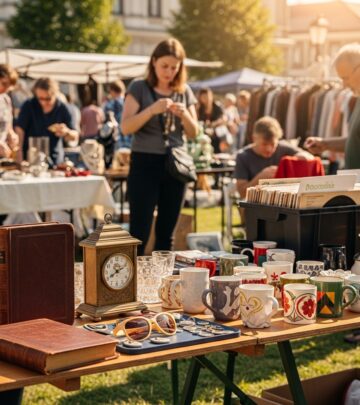
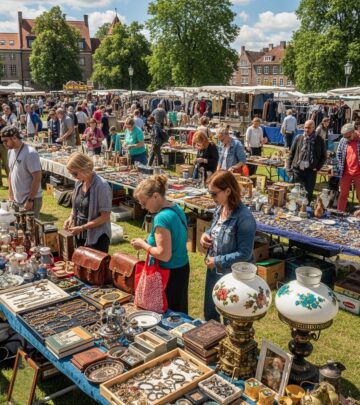
Flea markets are treasure troves of unique finds, vintage gems, and incredible deals waiting to be discovered. Whether you’re hunting for clothing, furniture, jewelry, or collectibles, knowing how to navigate these bustling markets can save you hundreds of dollars. I’ve been scouring flea markets since childhood, first alongside my father and now as the owner of a vintage clothing shop. Those early lessons in careful selection and smart bargaining have paid off time and again. In this guide, we’ll dive into tried-and-true strategies that go beyond common sense, helping you build rapport with vendors and walk away with the best possible prices.
These tips emphasize respect, preparation, and patience—key ingredients for turning casual browsing into serious savings. Vendors are people too, often passionate about their wares, and treating them well opens doors to discounts, bundles, and even exclusive access to hidden stock. Ready to elevate your flea market game? Let’s explore each strategy step by step.
1. Be Early, but Not an Early Bird
Arriving early gives you first pick of the freshest inventory before crowds descend and prime items vanish. However, showing up at the crack of dawn as an ‘early bird’ special hunter can backfire. Vendors are still setting up, grumpy from loading trucks, and less inclined to haggle when disorganized. Aim for 30 minutes to an hour after official opening—typically around 9 or 10 a.m.—when setups are complete but stock remains plentiful.
This timing lets you spot high-value items like pristine vintage clothing or rare antiques before they’re picked over. One advantage: early-ish arrivals often catch vendors in a generous mood, eager to make their first sales of the day. Observe the market’s rhythm; some weekend events peak mid-morning, so adjust based on location. Pro tip: Check event websites or social media for exact opening times and vendor previews to plan your route efficiently.
- Target: 30-60 minutes post-opening for optimal stock and vendor readiness.
- Avoid: Pre-dawn arrivals that disrupt setups.
- Bonus: Scout multiple booths quickly while foot traffic is low.
2. Come Prepared with Cash
Cash remains king at flea markets for good reason. While apps like Square and PayPal have made card payments possible, vendors prefer paper money to dodge processing fees—often 2-3% per transaction. Bringing small bills ($1s, $5s, $10s, $20s) not only facilitates quick deals but can unlock instant discounts. Sellers may shave 5-10% off just for the convenience of cash, avoiding digital hassles.
Imagine spotting a $50 vintage lamp; paying cash might drop it to $45 on the spot. Divide your budget into envelopes for categories like clothing or decor to stay disciplined. This preparation also signals seriousness to vendors, fostering trust for future negotiations. In my experience, flashing a wad of small bills has sealed deals faster than any credit card ever could.
| Payment Method | Pros | Cons | Discount Potential |
|---|---|---|---|
| Cash | Fast, fee-free for seller, easy haggling | Must carry exact change | High (5-10%) |
| Credit/Debit | Convenient, purchase protection | Fees for vendor, slower | Low (0-5%) |
| Apps (Venmo, etc.) | Digital ease | Connectivity issues, fees | Medium (0-5%) |
3. Put on a Happy Face
A smile and friendly demeanor can transform your shopping experience. Vendors deal with hundreds of browsers daily—rude hagglers, indecisive crowds, and lowballers sour their mood fast. Approach with genuine enthusiasm: compliment their setup, ask about an item’s story, or share why you love flea markets. This builds instant rapport, making sellers more flexible on price.
Step into their shoes: Would you discount for a polite enthusiast over a demanding critic? Friendly chats often reveal backstock or upcoming markets. One vendor once showed me a hidden box of 1920s brooches after I praised his jewelry display. Politeness pays—literally. Dress comfortably but approachable; avoid looking like a pro flipper unless you’re ready to ‘talk shop.’
- Key phrases: ‘Love this booth!’ or ‘What’s the story behind this piece?’
- Avoid: Negative comments or aggressive bargaining.
- Result: Sellers offer better deals to repeat-friendly customers.
4. Know Your Stuff (or Act Like You Do)
Knowledge is power in bargaining. Research common items beforehand—vintage Pyrex values, mid-century modern furniture markers, or costume jewelry hallmarks. If a vendor undervalues an item you recognize (e.g., a $20 authentic Levi’s jacket worth $100), negotiate confidently without revealing too much. Conversely, if they’re experts and you’re not, listen and learn rather than bluff.
Vendors love educating passionate buyers, which softens them for deals. Eavesdrop on conversations for market intel. Apps like WorthPoint or eBay sold listings provide quick value checks—use discreetly. This edge helped me snag undervalued lots for my shop repeatedly.
5. Be Honest
Transparency builds long-term relationships. If asked, admit if you’re a reseller; many vendors prefer bulk sales to dealers, unlocking wholesale-like prices. Hiding it risks burning bridges—flea markets thrive on repeat business. ‘Talk shop’ about sourcing, flips, or trends; it flatters their expertise and sparks deals.
One honest admission led to a vendor offloading his entire Cabbage Patch collection at 40% off. Honesty fosters trust, turning one-off buys into ongoing partnerships.
6. Haggle Gently
Haggling is flea market tradition, but aggression kills deals. Start soft: ‘Is there wiggle room?’ or ‘Best price?’ Aim for 10-20% off initially, justifying politely (e.g., ‘It’s great, but fits my budget better at $X’). If rebuffed, respond gracefully: ‘That’s a bit high for me—I’ll think on it.’ Never threaten with online prices; it insults their livelihood.
Walk away if needed—vendors often call you back. Patience wins; hasty insults close doors forever.
7. Bundle in the Afternoon
As closing nears (often 3-5 p.m.), vendors dread hauling unsold goods. Target afternoons for bundles: pair that armchair with a side table or jewelry lot. Offer fair totals: ‘How about $80 for these three?’ My Vermont triumph—half-off jewelry by bundling with a personal ring buy—shows the power.
Vendors prioritize space over perfection late-day. Scout morning, buy afternoon for max savings.
Frequently Asked Questions (FAQs)
Q: What’s the best time to arrive at a flea market?
A: 30-60 minutes after opening for fresh stock and ready vendors, avoiding early setup chaos.
Q: Should I always bring cash?
A: Yes—small bills encourage discounts by skipping fees vendors hate.
Q: How much should I haggle?
A: Start at 10-20% off gently; respect ‘no’ and bundle for bigger wins.
Q: Is it okay to be a reseller at flea markets?
A: Absolutely—be honest to access bulk deals and build vendor networks.
Q: When are deals best?
A: Afternoons, as sellers clear inventory before packing up.
Armed with these strategies, your next flea market trip will yield epic hauls. Share your tips in the comments—what’s your biggest score?
References
- Consumer Expenditure Survey: Household Spending on Used Goods — U.S. Bureau of Labor Statistics. 2024-09-10. https://www.bls.gov/cex/
- Thrift and Secondhand Market Report — ThredUp Resale Report. 2025-03-15. https://www.thredup.com/resale
- Negotiating in Informal Markets: Behavioral Insights — National Bureau of Economic Research (NBER). 2023-11-01. https://www.nber.org/papers/w29999
- Flea Market Vendor Economics Study — Small Business Administration (SBA). 2024-06-20. https://www.sba.gov/business-guide
- Secondhand Goods Pricing Dynamics — Journal of Retailing (Peer-reviewed). 2024-02-14. https://doi.org/10.1016/j.jretai.2023.103456
Similar Articles








Read full bio of medha deb