How to Get Short-Term Disability if You Have Surgery
Navigate short-term disability benefits for surgical procedures with our comprehensive step-by-step guide.
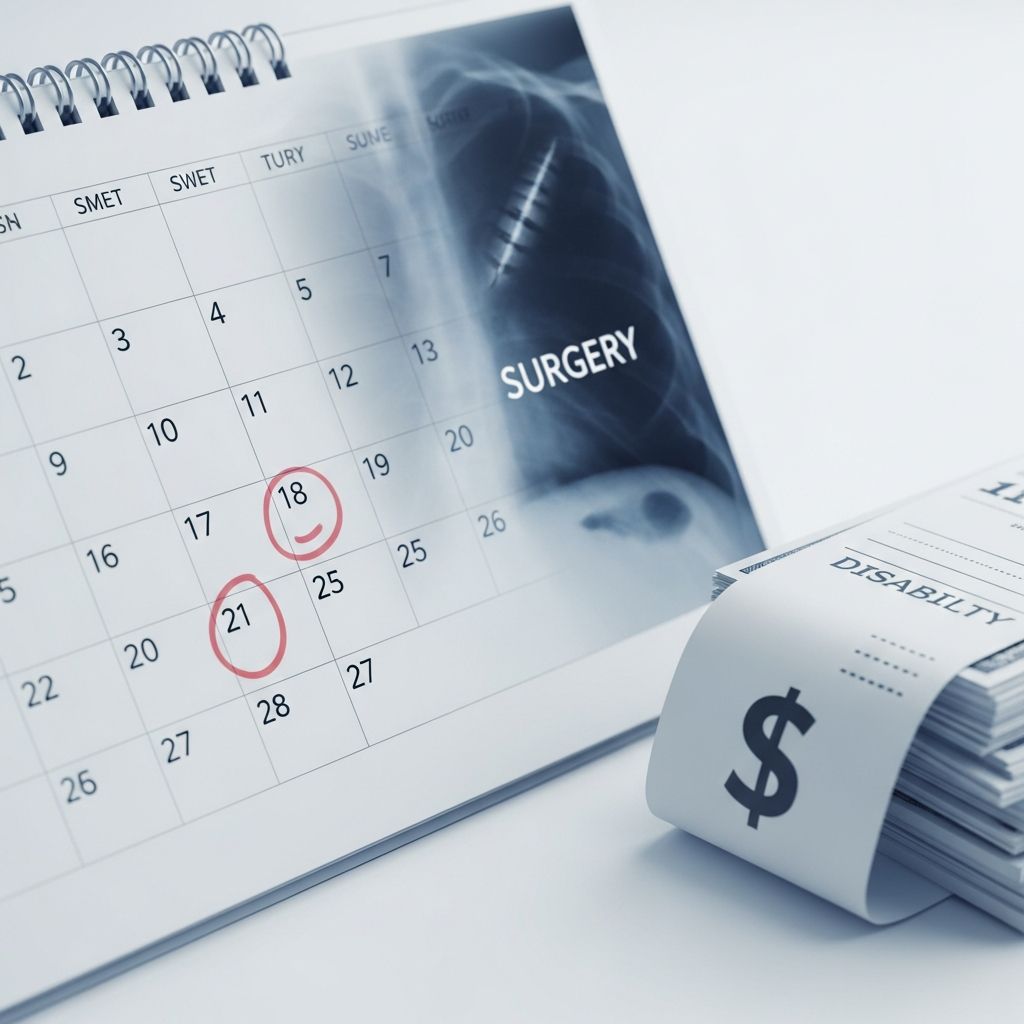
Surgery can be a significant life event that requires time away from work for proper recovery and healing. Fortunately, short-term disability insurance can provide financial support during your recuperation period. This comprehensive guide will help you understand how to obtain short-term disability benefits if you’re facing a surgical procedure, ensuring you can focus on your health without financial stress.
Understanding Short-Term Disability Insurance
Short-term disability insurance is an income replacement benefit that provides a percentage of your pre-disability earnings when you’re unable to work due to a covered medical condition or injury. This type of insurance is designed to bridge the financial gap during temporary periods of disability, typically lasting from a few weeks to several months. Unlike long-term disability, which provides extended coverage for prolonged disabilities, short-term disability focuses on immediate, temporary income replacement.
When you’re approved for short-term disability benefits due to surgery, the insurance typically replaces between 50 to 60 percent of your regular weekly salary, though this percentage may vary based on your specific policy and employer. The benefit period usually lasts up to six months, depending on your policy terms and the nature of your surgical recovery.
Eligibility Requirements for Surgery-Related Disability
To qualify for short-term disability benefits related to surgery, you must meet several key eligibility criteria. First and foremost, your surgery must be medically necessary rather than elective or cosmetic in nature. Reconstructive surgeries performed following trauma, infection, or disease of the affected area are typically covered, as are surgeries addressing congenital conditions that result in functional defects.
Additionally, your disability must prevent you from performing your regular job duties. Most policies use an “own job” definition of disability, meaning the insurer evaluates whether you can perform the specific job you were performing when you became disabled, rather than assessing your ability to perform any job in general. You’ll need to provide medical documentation from your surgeon or physician proving that you’re unable to work during your recovery period.
Most employers require that employees have been enrolled in the short-term disability plan before the surgery is scheduled. Typically, there’s a waiting period or “elimination period” before benefits begin—usually around 8 to 14 days after your qualifying condition is diagnosed or surgery is performed.
Checking Your Employer’s Coverage
The first step in obtaining short-term disability benefits for surgery is determining whether your employer offers this coverage. Review your employee benefits handbook or contact your Human Resources department to confirm whether short-term disability is available through your company.
Employers typically offer short-term disability in one of several ways:
- Traditional Plans: The employer pays the full premium, and coverage is provided to all eligible employees
- Contributory Plans: Both the employer and employees share the cost of the benefit
- Core Buy-Up Plans: Employees have the option to purchase additional coverage beyond the basic plan
- Voluntary Plans: Employees alone pay for the disability benefits through payroll deductions
If your employer doesn’t offer short-term disability coverage, you may be able to purchase an individual policy on your own, though this will typically be more expensive than employer-sponsored coverage.
Understanding Coverage Limitations and Exclusions
Before filing a claim, it’s important to understand what your short-term disability policy covers and what it excludes. Cosmetic surgeries are generally not covered, though exceptions exist for reconstructive procedures following medical conditions or trauma. Surgeries related to pregnancy and childbirth have specific coverage terms—normal pregnancy and childbirth are typically not covered, but complications of pregnancy diagnosed by a physician are usually included.
Most policies also include a pre-existing condition limitation, meaning the insurer won’t pay benefits for disabilities resulting from pre-existing conditions unless at least 12 months have passed since your coverage became effective. If you have concurrent disabilities—meaning multiple injuries or conditions contributing to your inability to work—benefits are paid as if you have a single disability.
The Application Process for Surgery-Related Claims
Once you’ve confirmed your employer offers short-term disability and your surgery qualifies for coverage, you’ll need to complete the application process. Here’s what typically happens:
Step 1: Notify Your Employer Inform your HR department or benefits administrator about your upcoming surgery as soon as possible. Provide details about your surgical date and expected recovery timeline. Your employer may provide you with claim forms or direct you to contact the insurance carrier directly.
Step 2: Obtain Medical Documentation Your surgeon or physician must provide medical certification stating that you’re unable to work due to your surgical recovery. This documentation should include the type of surgery performed, the date of the procedure, and an estimated return-to-work date. Most insurers require this information on their specific claim forms.
Step 3: Complete the Claim Form Fill out the short-term disability claim form completely and accurately. Include all required information, such as your employee identification number, job title, regular salary, and details about your surgery. Submit the form along with your physician’s certification to your employer’s HR department or directly to the insurance carrier, depending on your plan’s procedures.
Step 4: Follow Up After submitting your claim, keep track of the submission date and follow up with the insurance carrier to confirm receipt. Most insurers will notify you of their initial decision within 10 to 14 business days, though this timeline can vary.
Timeline and Benefit Payments
Understanding the timeline for receiving benefits is crucial for planning your finances during recovery. After submitting your claim and receiving approval, there’s typically an elimination period—usually 8 to 14 days—before your benefits actually begin. This means if you have surgery on a Monday and are immediately approved, you might not receive your first check for up to two weeks.
Once the elimination period ends, you’ll receive weekly benefit payments representing a percentage of your regular salary. These payments will continue until you return to work or reach the end of your policy’s benefit period, whichever comes first. Most short-term disability policies provide benefits for up to 26 weeks, though some may offer coverage for shorter or longer periods depending on your specific plan.
Tax Implications of Short-Term Disability Benefits
An important consideration is whether your short-term disability benefits are taxable. If your short-term disability coverage is voluntary—meaning you pay for it with after-tax dollars through your employer—the benefit payments you receive are generally not taxable. However, if your employer pays the full premium or contributes to the cost, the benefits may be subject to federal income tax. Consult with your tax advisor or review your plan documents to understand the tax treatment of your specific benefits.
Coordination with Other Benefits
Short-term disability doesn’t exist in isolation; it often works alongside other benefits and insurance programs. If you have both short-term and long-term disability coverage through your employer, these benefits typically coordinate seamlessly, allowing you to transition from one to the other without a gap in coverage. When your short-term disability benefits are about to expire, your claim can be transferred to long-term disability if your recovery is taking longer than expected.
Additionally, you should understand how short-term disability interacts with other benefits:
- Health Insurance: Many employers continue paying for your health insurance while you’re on short-term disability, though automatic deductions may still be taken from your benefits
- Vacation and Sick Time: Some employers may require you to use accrued vacation or sick leave before short-term disability benefits begin
- Supplemental Security Income: If you receive short-term disability payments, you generally won’t be eligible for Supplemental Security Income, though you may qualify after your benefits are exhausted if your condition is expected to last 12 months or longer
Common Surgical Procedures Covered
Most medically necessary surgeries qualify for short-term disability benefits. Common procedures that typically trigger coverage include orthopedic surgeries (such as knee replacements or repair of torn ligaments), cardiac surgeries, abdominal surgeries (including hernia repair or gallbladder removal), and procedures related to cancer treatment. The key factor is that the surgery must be medically necessary and require a recovery period during which you cannot work.
Preparing for Your Claim
To ensure a smooth claim process, gather the following information before your surgery:
- Your employee identification number and current salary information
- Your short-term disability policy number and plan details
- Contact information for your HR department and insurance carrier
- Details about your surgical procedure and scheduled date
- Any relevant medical records or previous diagnoses
- Your physician’s contact information
Having this information organized and readily available will help expedite the claim process and reduce the likelihood of delays.
Frequently Asked Questions
Q: How long does it take to receive my first short-term disability payment after surgery?
A: After your claim is approved, there’s typically an elimination period of 8 to 14 days before benefits begin. Once this period ends, you should receive your first weekly payment within a few business days.
Q: What if my employer doesn’t offer short-term disability insurance?
A: You may be able to purchase an individual short-term disability policy on your own, though it will generally cost more than employer-sponsored coverage. Some states also have state disability programs that may provide benefits.
Q: Can I receive short-term disability for cosmetic surgery?
A: Generally, no. Cosmetic surgery is not covered unless it’s reconstructive surgery following trauma, infection, or disease of the area, or surgery for a congenital condition resulting in a functional defect.
Q: Will my health insurance continue while I’m on short-term disability?
A: Many employers continue to pay for employee health insurance while the person is on short-term disability, though this depends on the specific employer and plan. Check your benefits handbook or contact HR for clarification.
Q: What percentage of my salary will I receive?
A: Short-term disability typically replaces between 50 to 60 percent of your regular weekly salary, though the exact percentage varies based on your specific policy and employer.
Q: Can I transition to long-term disability if my recovery takes longer than expected?
A: Yes, if you have both short-term and long-term disability coverage through your employer, you can typically transition from one to the other without a gap in benefits when your short-term benefits are about to expire.
References
- Short-Term Disability Insurance — State Farm. Accessed November 2025. https://www.statefarm.com/insurance/disability/short-term-disability
- Short-term disability insurance — Principal Financial. Accessed November 2025. https://www.principal.com/individuals/employee-benefits/short-term-disability-insurance
- Short-Term Disability | What Qualifies | How it Works — ADP. Accessed November 2025. https://www.adp.com/resources/articles-and-insights/articles/s/short-term-disability.aspx
- What Is Short-Term Disability Insurance? — MetLife. Accessed November 2025. https://www.metlife.com/stories/disability-insurance/what-is-short-term-disability/
- Disability Insurance for Employees — Unum. Accessed November 2025. https://www.unum.com/employees/benefits/disability-insurance
Similar Articles








Read full bio of Sneha Tete