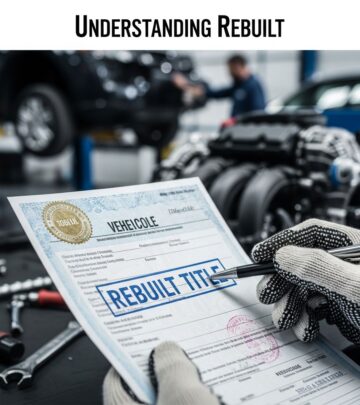
How to Get a Salvage Title Removed on a Vehicle
Complete guide to converting your salvage title to rebuilt title and getting back on the road.
If you’ve purchased or currently own a vehicle with a salvage title, you’re likely wondering about the best way to remove that designation and get your car back on the road. A salvage title can significantly complicate vehicle ownership—it lowers your car’s resale value, makes insurance coverage difficult to obtain, and prevents legal registration and operation on public roads. However, the good news is that with proper planning and execution, you can convert your salvage title to a rebuilt title and restore your vehicle’s value and usability.
Understanding the salvage title removal process is essential before you begin. This comprehensive guide will walk you through every step required to legally remove a salvage title and transform your vehicle into one that’s road-ready and properly titled.
Understanding Salvage Titles and Why They Matter
A salvage title is issued when an insurance company declares a vehicle a total loss following significant damage from an accident, flood, fire, theft, or other catastrophic event. When a vehicle sustains damage that would cost more to repair than the vehicle is worth, insurance companies typically declare it a total loss. Once this happens, the vehicle receives a salvage title brand, which permanently marks the vehicle’s history.
The salvage designation carries serious consequences. Vehicles with salvage titles cannot be legally driven on public roads, cannot be registered for normal use, and are extremely difficult to insure. Most insurance companies will not provide standard coverage for a salvage title vehicle. Additionally, even after repairs are completed, a salvage title vehicle will never regain a clean title—it will instead receive a rebuilt title, which still indicates the vehicle’s prior damage history.
Essential Requirements for Removing a Salvage Title
Before you can begin the process of removing a salvage title, your vehicle must meet certain fundamental requirements. These requirements are designed to ensure the vehicle is safe, roadworthy, and has been properly repaired to meet safety standards.
The three core requirements are:
- Repair the vehicle to a roadworthy and safe condition
- Comply with all local DMV and state-specific requirements
- Pass a comprehensive salvage vehicle inspection administered by your state’s DMV or authorized inspector
These requirements may vary slightly depending on your state of residence, as each state maintains its own regulations and procedures for converting salvage titles to rebuilt titles. It’s crucial to research your specific state’s requirements before beginning any repairs.
Documentation You’ll Need to Begin the Process
Gathering the correct documentation is one of the most critical steps in the salvage title removal process. Having all required documents organized and ready before you begin repairs will streamline the entire process and reduce the likelihood of delays when you submit your application.
The following documents are typically required:
- Original salvage title document
- Photographs of the vehicle before repairs began
- Photographs of the vehicle after repairs were completed
- Receipts and invoices for all replacement parts purchased
- Documentation of all labor costs and mechanic services
- Completed rebuilt title application form (specific to your state)
- Proof of ownership and valid identification
- Vehicle Identification Number (VIN) verification documents
- Bill of sale (if applicable in your state)
It’s essential to keep meticulous records throughout the repair process. Request itemized receipts from all licensed mechanics and parts suppliers, and maintain detailed documentation showing exactly what was repaired or replaced. These records serve as proof that your vehicle has been properly restored and will be crucial during the inspection process.
State-Specific Inspection and Requirements
Each state maintains its own specific requirements for salvage title removal and rebuilt title issuance. The inspection process and documentation requirements can vary significantly depending on where you reside. Below is a breakdown of requirements in several major states:
| State | Inspection Required | Key Requirements |
|---|---|---|
| California | Yes | Brake and lamp inspection, California Highway Patrol VIN verification |
| Texas | Yes | Rebuilt title application with VTR-61 form submission |
| Florida | Yes | Form HSMV 82040, rebuilt affidavit required for title transfer |
| New York | Yes | Must pass New York Salvage Examination Program inspection |
| Minnesota | Yes | DVS inspection focusing on fraud deterrence, prior salvage brand issued |
Before beginning any repairs, contact your local DMV or state transportation department to obtain the exact requirements for your jurisdiction. Some states require that only licensed rebuilders can purchase salvage vehicles, while others allow individuals to own and repair them. Confirming these regulations early will ensure you can legally proceed with your salvage title removal efforts.
Step-by-Step Process: From Salvage to Road-Ready
The journey from a damaged vehicle with a salvage title to a repaired vehicle with a rebuilt title follows a specific progression. Understanding each stage of this process will help you prepare for what lies ahead.
| Step | Description |
|---|---|
| 1. Vehicle Damage | The vehicle sustains significant damage from accident, flood, fire, theft, or other incident |
| 2. Total Loss Declaration | Insurance company declares the vehicle uneconomical to repair and a total loss |
| 3. Salvage Title Issued | DMV officially marks the vehicle’s title status as salvage with permanent brand |
| 4. Vehicle Repair | Owner restores the vehicle to safe, drivable condition with proper documentation |
| 5. Inspection Scheduling | Owner submits paperwork and schedules appointment with DMV or authorized inspector |
| 6. Inspection Evaluation | Inspector evaluates vehicle for safety compliance and roadworthiness |
| 7. Results and Outcome | If passed, rebuilt title issued. If failed, additional repairs required and process repeats |
| 8. Title and Registration | Once approved, new rebuilt title issued and vehicle registered for legal road use |
Detailed Steps to Remove a Salvage Title
Step 1: Purchase and Obtain Ownership
The first step in removing a salvage title is ensuring you legally own the vehicle. In some states, only licensed rebuilders can purchase vehicles with salvage titles, so verify your state’s regulations. If you can purchase the vehicle as an individual, obtain the bill of sale and ensure the title is transferred to your name. This legal ownership documentation will be required when you apply for the rebuilt title.
Step 2: Complete All Necessary Repairs
Once you own the vehicle, it’s time to repair it to roadworthy condition. Hire a certified, licensed mechanic to ensure all repairs meet safety standards and local building codes. The repairs must address all damage noted by the insurance company and must restore the vehicle to a condition where it’s safe to operate on public roads. This might include engine work, body repair, electrical system restoration, brake system repairs, and safety system replacements.
Step 3: Document Everything Meticulously
Throughout the repair process, maintain detailed records of every repair, replacement, and labor charge. Collect original receipts on company letterhead from all mechanics and parts suppliers. Take clear photographs of the vehicle before repairs began, during the repair process, and after completion. These visual records and documentation serve as proof that your vehicle has been properly restored.
Step 4: Apply for Salvage Inspection
Contact your local DMV or state transportation department to request a salvage vehicle inspection. Complete the required application form—this varies by state but typically includes the salvage inspection application and declaration of reconstruction form. Submit your application along with all required documentation, including the salvage title, bill of sale, repair receipts, and photographs.
Step 5: Prepare for the Inspection
Before your inspection appointment, ensure your vehicle is clean and in the condition you’re presenting it for inspection. Do not drive the vehicle to the inspection appointment if it hasn’t yet been inspected—arrange for towing instead. Bring all required documents, the salvage title, and copies of all repair receipts and photographs. Some states may require a certified mechanic’s verification that the vehicle is roadworthy before the state inspection.
Step 6: Pass the DMV Inspection
During the inspection, a DMV official will examine your vehicle to verify it meets safety standards and has been properly repaired. The inspection focuses on critical safety systems including brakes, lights, structural integrity, and overall roadworthiness. The inspector will verify that repairs match the documentation you’ve provided and that all work was completed professionally.
Step 7: Complete Paperwork and Obtain Rebuilt Title
If your vehicle passes inspection, you’ll proceed with final paperwork processing. Pay the required fees, which typically include the inspection fee, title application fee, and registration fee. The DMV will process your rebuilt title application and issue a new title marked as rebuilt rather than salvage. In some states like Minnesota, the title will be marked as “prior salvage” instead of rebuilt, but the distinction is minor.
Step 8: Register and Insure Your Vehicle
Once you receive your rebuilt title, you can officially register your vehicle for road use. Contact an insurance company that provides coverage for rebuilt title vehicles and obtain insurance before driving legally on public roads. Register your vehicle with the DMV using your new rebuilt title, and you’ll receive license plates authorizing legal operation.
Cost Considerations for Salvage Title Removal
Understanding the financial implications of salvage title removal is important for budgeting and decision-making. The total cost can vary significantly based on the extent of damage and your location.
Typical cost breakdown includes:
- Vehicle Repair Expenses: $500–$10,000 or more depending on damage extent
- Inspection Fees: $50–$200 depending on state
- Title Application and Processing: $50–$150
- Registration Fees: $20–$250 depending on state and vehicle value
- Professional Mechanic Certification (if required): $50–$150
The repair costs represent the largest portion of your investment. Obtaining multiple quotes from certified mechanics before beginning work can help you manage expenses. While a rebuilt title vehicle will have significantly lower value than a clean title vehicle (typically 20-40% lower), removing the salvage title makes the vehicle legal to operate and insurable under standard policies.
Timeline Expectations
The salvage title removal process is not instantaneous. Understanding realistic timelines will help you plan accordingly. The entire process typically takes between 2 to 8 weeks from start to finish, though this can vary based on several factors:
- Repair timeline—complexity of repairs needed
- Inspection appointment availability—varies by season and location
- DMV processing speed—differs by state and current workload
- Weather delays—can affect vehicle delivery and inspection scheduling
Simple repairs might be completed within 1-2 weeks, while extensive damage requiring major reconstruction could take 4-8 weeks or longer. Plan your timeline accordingly and factor in potential delays for parts availability or inspector scheduling.
Common Mistakes to Avoid
Understanding what not to do is just as important as knowing the proper procedures. Avoid these common mistakes that can delay or derail your salvage title removal process:
- Driving an uninsured, uninspected salvage vehicle to the DMV—arrange for towing instead
- Failing to keep detailed repair documentation and receipts
- Using unlicensed mechanics or purchasing used parts without proper documentation
- Not researching your state’s specific requirements before beginning repairs
- Attempting to conceal the vehicle’s damage history through title washing (this is illegal)
- Skipping the professional mechanic verification step when required by your state
- Submitting incomplete applications or missing required documentation
Frequently Asked Questions About Salvage Title Removal
Q: Can I drive a vehicle with a salvage title?
A: No. A vehicle with a salvage title cannot be legally driven on public roads under any circumstances until it has been repaired, passed inspection, and been issued a rebuilt title. Driving an unregistered salvage vehicle is illegal and can result in significant fines and penalties.
Q: Will my vehicle ever have a clean title again?
A: No. Once a vehicle has been marked with a salvage title, it can never be restored to a clean title status. After repairs and inspection, it will receive a rebuilt title, which permanently indicates the vehicle’s prior damage and salvage history. This rebuilt title status remains on the vehicle for its entire lifespan.
Q: How do I convert a salvage title to a rebuilt title?
A: You must repair the vehicle to roadworthy condition, retain all repair documentation and receipts, pass a state-required salvage inspection administered by the DMV or an authorized inspector, and submit a rebuilt title application through your local DMV with all required documentation and fees.
Q: How long does the salvage title removal process take?
A: The timeline typically ranges from 2 to 8 weeks, depending on the complexity of repairs needed, how quickly you can schedule an inspection appointment, and how fast your state’s DMV processes the rebuilt title application. Emergency rush processing may be available in some states for an additional fee.
Q: What if my vehicle fails the inspection?
A: If your vehicle fails the inspection, the inspector will identify the specific issues that need to be corrected. You’ll need to have those problems repaired and then schedule a reinspection appointment. You can repeat this process as many times as necessary until the vehicle passes.
Q: How much does it cost to remove a salvage title?
A: Total costs vary significantly by state and repair requirements, but typically range from $750 to $10,500 or more. This includes repair expenses ($500–$10,000+), inspection fees ($50–$200), and title and registration fees ($70–$400). The vehicle repair costs are usually the largest expense.
Q: Can only licensed rebuilders work on salvage vehicles?
A: This depends on your state. Some states restrict salvage vehicle purchase and repair to licensed rebuilders, while others allow individuals to own and repair salvage vehicles. Always verify your state’s regulations before purchasing a salvage vehicle to ensure you can legally proceed.
Q: What documentation do I absolutely need to have?
A: Essential documents include the original salvage title, before-and-after repair photographs, receipts for all parts and labor, your completed rebuilt title application form, proof of ownership, valid identification, and a bill of sale if applicable in your state. Some states may require additional specific forms or certifications.
Final Thoughts on Salvage Title Removal
Removing a salvage title from your vehicle is a multi-step process that requires careful planning, thorough documentation, and strict adherence to your state’s specific requirements. While the process demands time and financial investment, successfully converting a salvage title to a rebuilt title restores your vehicle’s legal status and allows you to drive it on public roads and insure it under standard policies.
The key to success is working with certified mechanics, maintaining detailed records of all repairs, and closely following your state’s DMV guidelines. Many vehicle owners successfully navigate this process and end up with roadworthy, legally titled vehicles that can provide years of reliable service. If you’re considering purchasing a salvage vehicle or need to remove a salvage title, take the time to thoroughly understand your local requirements and proceed methodically through each step of the process.
References
- How to Remove a Salvage Title: Process and State Requirements — RideSafely. Retrieved from https://auction.ridesafely.com/remove-salvage-title-get-rebuilt-title/
- Vehicle Title Salvage Vehicle Process — Minnesota Department of Public Safety, Division of Vehicle Services. Retrieved from https://dps.mn.gov/divisions/dvs/vehicle/vehicle-titles/vehicle-title-salvage-vehicle-process
- Tips for How To Get a Salvage Title Cleared — CarParts.com. Retrieved from https://www.carparts.com/blog/tips-for-how-to-get-a-salvage-title-cleared/
- How To Get A Salvage Title Removed — J.D. Power. Retrieved from https://www.jdpower.com/cars/shopping-guides/how-to-get-a-salvage-title-removed
- Removing Salvage Retention Status — California Department of Motor Vehicles. Retrieved from https://www.dmv.ca.gov/portal/handbook/vehicle-industry-registration-procedures-manual-2/salvage-nonrepairable-junk-vehicles/removing-salvage-retention-status/
- Salvage Vehicles — Texas Department of Motor Vehicles. Retrieved from http://www.txdmv.gov/motorists/buying-or-selling-a-vehicle/title-check-look-before-you-buy/salvage-brands
Similar Articles








Read full bio of Sneha Tete