How to Get Rid of Bees
Safe, effective strategies to remove bees humanely while protecting your home and pollinator populations.
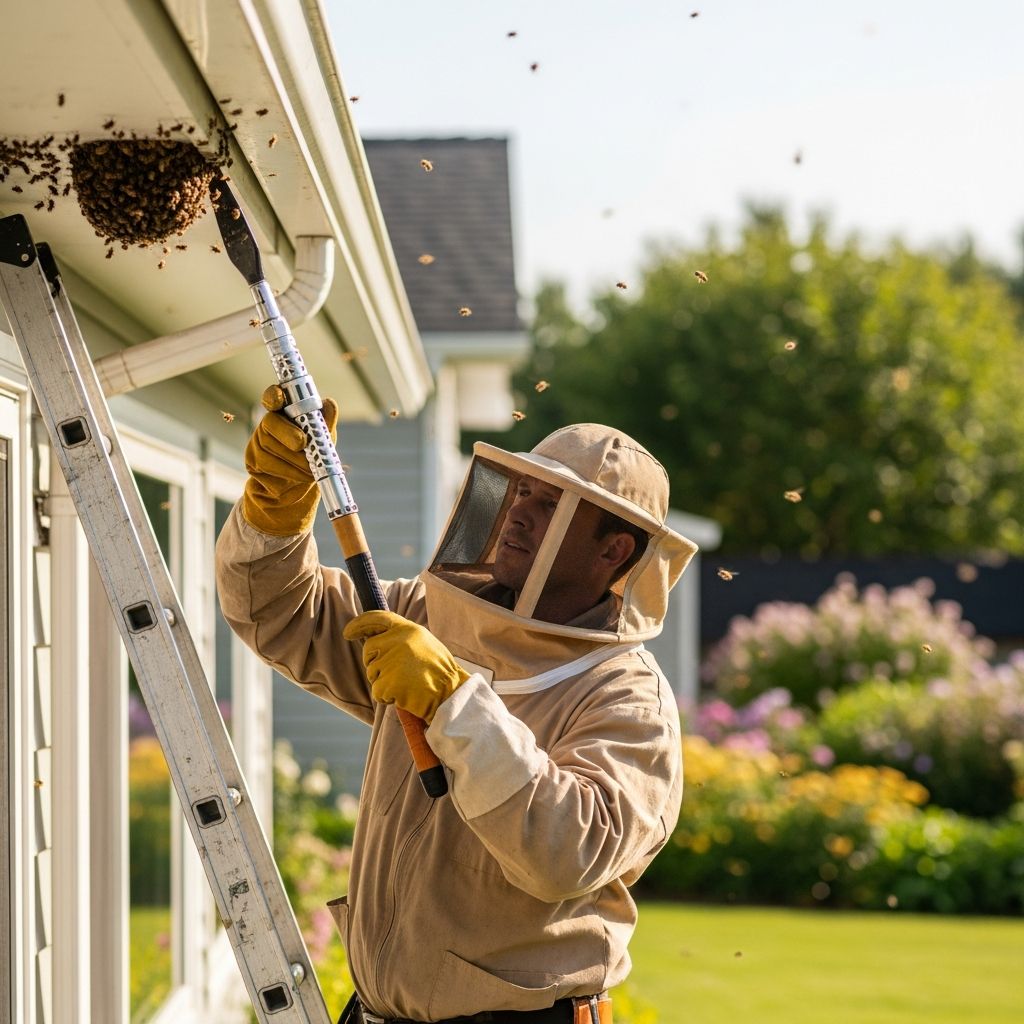
Bees play a crucial role in pollination, supporting food production and ecosystems, but they can become problematic when nesting near homes. This guide covers humane, effective methods to remove bees safely, prioritizing relocation over extermination where possible.
Why Bees Matter (And When They’re a Problem)
Honey bees and native species are essential pollinators, contributing to one-third of our food supply. However, swarms or nests in walls, roofs, or yards pose stinging risks, especially for allergic individuals or children. Always identify the insect first: honey bees are fuzzy and beneficial; wasps or hornets are more aggressive.
Before acting, consider relocation. Local beekeepers often remove honey bee colonies for free, preserving the hive.
Humane Bee Removal: Call the Professionals First
The safest approach is professional intervention. Beekeepers or pest specialists can assess and relocate honey bees, or handle wasps humanely. Contact local beekeeping associations—they may offer free services if they can relocate the colony.
- Search for ‘local beekeepers’ or ‘bee removal services’ in your area.
- Provide photos for identification to avoid unnecessary harm.
- For wasps, specialists may harvest venom for medical use.
Pros of professionals: Expertise, safety, legality (some areas protect bees). Cons: May involve costs for structural extractions.
DIY Methods: Safe and Non-Toxic Options
If professionals aren’t available and the nest is small/outdoor, try these low-risk methods. Always prioritize safety with full protective gear.
Soapy Water Spray (Most Effective DIY)
A simple mix of 1 part dish soap to 4 parts water suffocates bees by breaking surface tension, drowning them quickly. Use a powerful garden sprayer for fine mist.
- Mix solution in a spray bottle or sprayer.
- Wear protective clothing (head-to-toe coverage, gloves, goggles).
- Evacuate family/pets; spray at dusk when bees are less active.
- Target outer layers; repeat as needed—death isn’t instant, bees may agitate.
Warning: Effective on small clusters; not for large hives. Bees get defensive before dying.
Other Natural Repellents
- Tree oil or essential oils: Wipe cotton balls with tree oil (available at pharmacies) near entry points—repels without killing.
- Garlic or flea powder: Sprinkle or spray concentrated solutions; bees dislike the scent.
- Avoid lemongrass-based repellents—they attract honey bees.
Prevention: Keep Bees Away Long-Term
Prevent infestations with proactive yard and home maintenance.
1. Maintain a Clean Outdoor Space
Bees seek food and nesting sites in clutter. Remove wood piles, tall grass, garbage—keep areas tidy.
- Seal trash cans; clean sugary spills, pet food, birdseed.
- Avoid open sweets or fruits outdoors.
2. Seal Entry Points
Inspect and seal cracks in foundations, windows, doors, eaves with caulk or steel wool.
| Area | Common Gaps | Sealing Method |
|---|---|---|
| Windows/Doors | Frames, sills | Caulking, weatherstripping |
| Foundation/Walls | Cracks, holes | Steel wool + caulk |
| Roof/Eaves | Vents, soffits | Screens, foam sealant |
3. Plant Bee-Repelling Plants
Strategic landscaping deters bees: mint, citronella, eucalyptus around perimeter. Note: Not foolproof; combine with other methods.
4. Regular Structure Maintenance
Repair rotted wood, holes in walls/roofs promptly. Inspect annually for bee activity.
5. Bee-Friendly Lawn Practices
Paradoxically, supporting bees elsewhere reduces home attractions. Plant diverse flowers April-November; use clover in lawns; avoid pesticides during blooms.
- Celebrate dandelions/clover—don’t mow until bloomed.
- Choose neonicotinoid-free plants.
Dos and Don’ts Table
| Do | Don’t |
|---|---|
| Call beekeepers first | Use pesticides on honey bees |
| Wear protection for DIY | Spray during day/bees active |
| Seal gaps proactively | Disturb large nests alone |
| Plant repellents | Buy systemic insecticide-treated plants |
Frequently Asked Questions (FAQs)
Q: Are these methods safe for honey bees?
A: Prioritize relocation via beekeepers. Soapy water is non-toxic but kills—use as last resort for non-honey bees.
Q: What if bees are in my walls?
A: Never DIY large infestations. Professionals handle extraction, which may require opening walls.
Q: How do I identify honey bees vs. wasps?
A: Honey bees are fuzzy, golden-brown; wasps are sleek, striped. Send photos to beekeepers for confirmation.
Q: Can I prevent bees without harming them?
A: Yes—clean yard, seal home, plant repellents, support bees elsewhere with flowers.
Q: Is soapy water effective on wasps?
A: Yes, but they agitate quickly. Spray at night with protection.
Legal and Ethical Considerations
In many regions, killing honey bees is discouraged or regulated due to declining populations. Check local laws; support conservation by buying U.S. honey and bee-safe plants.
For persistent issues, combine prevention with monitoring. A bee-free home is achievable without eradicating these vital insects.
References
- How to kill bees with soapy water: non-toxic but risky — Honey Bee Suite. 2023-05-15. https://www.honeybeesuite.com/how-to-kill-bees-with-soapy-water/
- Bee Prepared: 5 Tips for Keeping Your Home Bee-Free — Patriot Pest Prescott. 2024-08-20. https://patriotpestprescott.com/bees/bee-prepared-5-tips-for-keeping-your-home-bee-fr/
- Ten Things To Do To Save The Bees — University of New Hampshire Cooperative Extension (.edu). 2023-11-10. https://extension.unh.edu/resource/ten-things-do-save-bees
Similar Articles








Read full bio of medha deb