How to Get a Refund on Non-Refundable Items
Discover practical strategies to obtain refunds on items marked as non-refundable.
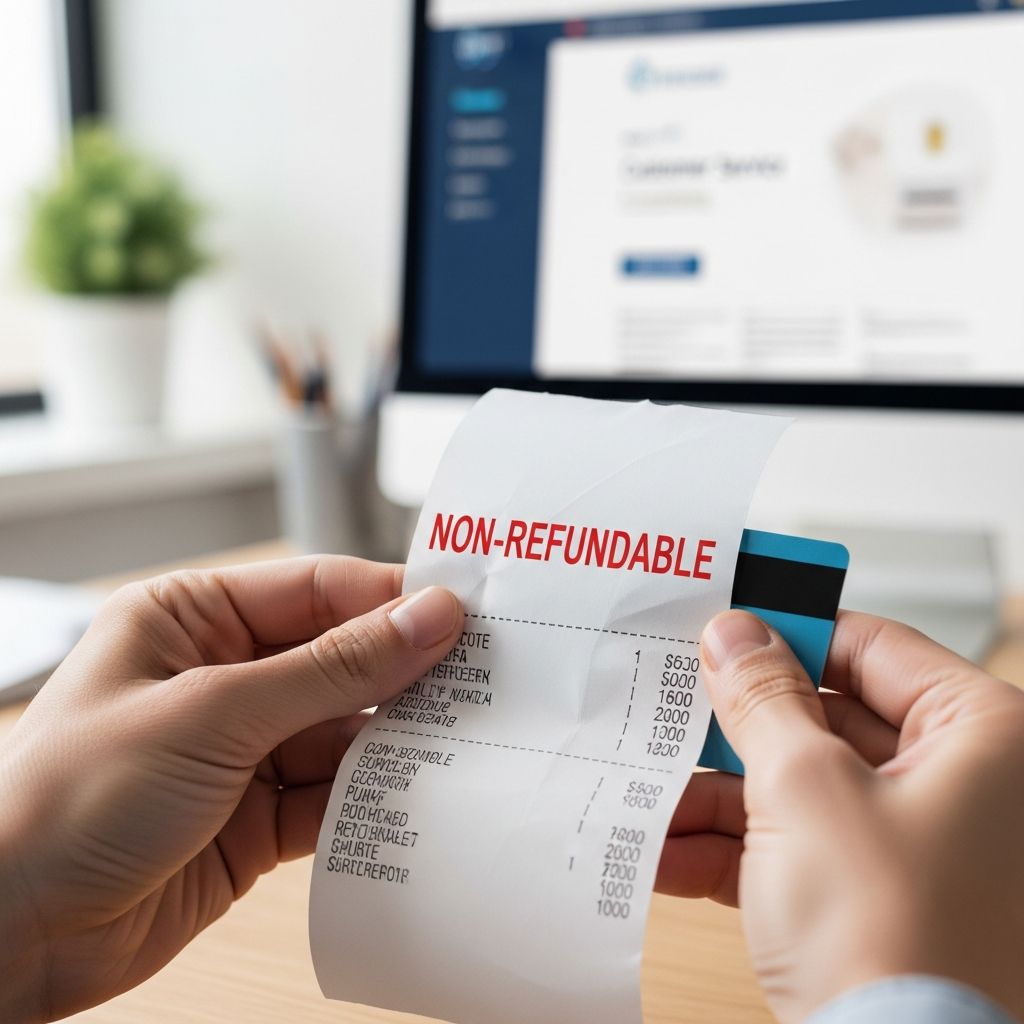
The words “non-refundable” and “no returns” can feel like a final verdict on your purchase, leaving you resigned to accept a loss. However, the reality is more nuanced. While retailers and service providers often enforce strict no-refund policies, there are legitimate strategies you can employ to challenge these policies and potentially recover your money. Success often depends on understanding your rights, knowing when policies can be bent, and being prepared to take appropriate action when necessary.
Understanding Non-Refundable Policies
Non-refundable policies are standard across many industries, but they are not always as absolute as they appear. Retailers and service providers use these policies to manage risk and prevent abuse of their return systems. However, consumer protection laws in various jurisdictions require that these policies be clearly displayed before purchase. In California, for example, retailers must clearly display their return policies at cash registers, store entrances, on item tags, or on order forms if they will not offer refunds within seven days of purchase with a receipt.
Understanding the legal framework around refund policies is your first step toward challenging them. Many consumers don’t realize they have rights even when policies appear ironclad. The key is knowing which items fall into truly non-returnable categories and which policies are merely standard practice.
Event Tickets: The Concert, Show, and Sporting Event Challenge
Event tickets represent perhaps the most notorious category of non-refundable purchases. Venues and ticketing companies are notoriously strict about this policy, making customers hesitant to commit to purchases. However, getting your money back is entirely possible—you simply need to take a different approach.
The Best Strategy: Reselling Your Tickets
Rather than attempting to return tickets to the box office (which will almost certainly result in refusal), the most effective approach is to resell them. Online platforms like Craigslist offer excellent venues for this purpose. List your tickets at face value, and you’ll likely recover your full investment. If you’re willing to undervalue them slightly, you increase your chances of a quick sale. Even if the event is sold out, don’t assume everyone is desperate for tickets—while professional scalpers and online brokers may have bought up inventory, their strategy doesn’t always pay off.
The critical point is this: avoid going to the box office requesting a refund. You’ll be denied approximately 99% of the time. Instead, leverage the secondary market, where demand typically exists for legitimate sales.
Clearance Items: Reading Between the Lines
Clearance merchandise bearing bright red or yellow stickers declaring “clearance, no refunds” appears to be the epitome of non-returnable purchases. These items are typically marked down significantly precisely because they’re being cleared from inventory. However, major retailers often don’t strictly enforce these policies.
Negotiating Clearance Returns
Many big-box retailers like Walmart and Target will accept returns on clearance items despite the warning label, provided the merchandise remains in its original packaging. Even if the store declines a monetary refund, you may still obtain store credit. This is valuable because store credit can be used toward other purchases, effectively recovering your investment.
The approach here requires patience and a willingness to accept store credit if a full refund isn’t available. Present your case politely to a manager, emphasizing that the item is unused and in original condition. Many stores would rather process a return than deal with customer frustration.
Media Items: CDs, DVDs, and Video Games
New and used media items—CDs, DVDs, and video games—are frequently marked as non-returnable, particularly when purchased from clearance sections. However, several alternatives exist to traditional returns.
Alternative Solutions for Unwanted Media
- Selling Online: You won’t receive top dollar, but online resale platforms allow you to convert unwanted media into cash. The item must be in excellent condition for this strategy to work.
- Media Swapping Services: Large-scale membership-based swapping websites allow you to post media you’re willing to give away. In return, you receive credits to request titles posted by other members. This is an excellent option if you have multiple unwanted items.
- Regifting: If the media is in perfect condition—no scratches on DVDs, no fingerprints or food residue on CDs or games—regifting is a viable option that benefits someone else while clearing your shelf.
These alternatives are preferable to accepting a loss, and they’re often faster and easier than pursuing a formal refund through the retailer.
Digital Products and Subscription Services
Digital products and subscription services represent unique challenges in the non-refundable landscape. These items are inherently difficult to return because they can be infinitely copied and distributed. Refund policies are typically strict for these categories, and courts generally uphold no-refund policies for digital content.
However, if a service was never actually used or accessed, some providers may consider refund requests, particularly if the service was marketed as something different than what was delivered. Document your communication with the provider, keep evidence of non-use, and present a clear case explaining why the service didn’t meet expectations.
Using Your Credit Card as a Safety Net
One of your most powerful tools when retailers refuse refunds is your credit card company. If you’ve made a purchase on credit and the retailer insists on maintaining their non-refund policy despite legitimate concerns, you can file a dispute claim with your credit card issuer.
The Chargeback Process
Contact your credit card company and explain that you received merchandise that doesn’t meet expectations or that you didn’t receive what you paid for. You’ll likely need to complete an affidavit or formal claim form. In your claim, you’ll select a reason code—for merchandise-related issues, “merchandise not received” or “merchandise not as described” are typically appropriate options. Credit card companies investigate these claims and can force merchants to refund your money, making this a powerful recourse when other methods fail.
General Strategies for Non-Refundable Items
Documenting Your Purchase and Condition
Regardless of the item type, always keep your original receipt and maintain items in their original packaging if there’s any chance you might need to return them. Document the condition of items with photos before opening them. This evidence strengthens your position if you need to dispute a return denial.
Understanding State and Local Consumer Protection Laws
Some states have specific regulations governing return policies. For example, Minnesota requires that cash refunds not be refused for acceptable goods unless the refund policy is clearly displayed in at least 14-point font. New Jersey mandates that refund policies lasting 20 days or fewer (including no-refund policies) must be conspicuously visible to shoppers before purchase. Research your state’s requirements—you may have legal protections you weren’t aware of.
The Receipt Recovery Trick
For stores with strict receipt requirements (such as 30-day return windows), one creative approach involves purchasing the item again new, returning the old item with the new receipt, and then reselling the unopened new item online. While this requires an upfront investment, it can be effective when retailers refuse to process returns without recent receipts.
When Communication and Charm Fail: Escalation Strategies
Most refund situations can be resolved through polite but firm communication. Explain your situation clearly, present your evidence, and request a refund or store credit. However, if the store refuses to budge, you have several escalation options:
- Speak with Management: Request to discuss the matter with a store manager rather than a cashier. Managers often have discretion to bend policies in specific circumstances.
- Write a Formal Complaint: Document your complaint in writing (email is acceptable) and send it to the retailer’s corporate customer service department. Include specific details: purchase date, amount, item description, receipt number, and your attempted resolution efforts.
- Contact Consumer Protection Agencies: Most states have consumer protection divisions within their Attorney General’s offices. You can file complaints with these agencies, which can pressure businesses to resolve disputes.
- File a Credit Card Dispute: As mentioned earlier, this should be a last resort but is highly effective.
- Leave Detailed Reviews: Online reviews on platforms like Google, Yelp, and the Better Business Bureau can motivate businesses to resolve issues to protect their reputation.
It’s important to note that while threatening legal action might seem like an effective tactic, it’s neither necessary nor advisable in most consumer disputes. Employees behind the counter don’t deserve threats, and such behavior typically backfires. Instead, focus on explaining your situation and expressing how the company’s inflexible policy has caused genuine hardship.
Understanding Gift Cards and Store Cards
Point-of-sale cards and gift cards are almost universally non-refundable once purchased. This policy is standard across the industry, and reversing it is extremely difficult. However, if a gift card was purchased but never activated or used, you may have recourse. Keep the original receipt and contact the retailer’s customer service department promptly. Some retailers will issue refunds for unactivated cards, particularly if they’re defective or the product was never used.
Building Your Case: Documentation Matters
Whenever you make a purchase that might be subject to a no-refund policy, protect yourself by maintaining thorough documentation:
- Keep original receipts and proof of purchase
- Retain original packaging and keep items in pristine condition
- Save any communications with the retailer, including emails and chat logs
- Take photos of items before opening them
- Document any defects or problems immediately upon discovery
- Keep records of when you first contacted the retailer about an issue
This documentation transforms a “he said, she said” dispute into a clear record that supports your position.
Frequently Asked Questions
Q: Can I legally demand a refund for something marked as non-refundable?
A: It depends on your jurisdiction and the circumstances. While retailers can enforce non-refund policies, consumer protection laws require these policies to be clearly displayed before purchase. If the policy wasn’t properly disclosed, or if the item is defective or significantly different from its description, you may have legal grounds for a refund. Additionally, credit card companies can force refunds through the chargeback process if the merchant fails to deliver as promised.
Q: What’s the most effective way to get a refund on event tickets?
A: Reselling tickets through platforms like Craigslist at or below face value is far more effective than attempting to return them to the box office. List them quickly after your plans change, and you’ll likely recover your investment. Professional scalping doesn’t always succeed, so legitimate sellers can find buyers even for sold-out events.
Q: Can I return clearance items despite the “no returns” sticker?
A: Many major retailers will accept returns on clearance items if they’re in original packaging, even though the label suggests otherwise. You may not receive a cash refund, but store credit is often available. Speak with a manager and present your case politely—you may be pleasantly surprised.
Q: What should I do if a retailer absolutely refuses to refund my money?
A: File a dispute claim with your credit card company if you paid with a card. Contact your state’s consumer protection agency. Leave detailed reviews on Google, Yelp, and the Better Business Bureau. For items like media, consider reselling or swapping instead of accepting the loss.
Q: Are digital products and subscriptions ever refundable?
A: Digital products and subscriptions are generally held to stricter non-refund standards because they can be infinitely copied. However, if you never accessed the service or if it was fundamentally misrepresented, contact the provider and explain the situation. Some companies will make exceptions for legitimate grievances.
Q: Can I return an item if I’ve lost my receipt?
A: This is retailer-dependent. Some stores will process returns with store credit if you have an ID and the item is identifiable. For strict retailers, the creative approach of purchasing the item new and returning the old one with the new receipt sometimes works, though this requires upfront investment.
Conclusion: Your Rights Aren’t Absolute, But Your Options Are
Non-refundable policies exist for legitimate business reasons, and most are enforceable. However, these policies are not universally absolute, and consumers who understand their rights and options can often find paths to recovery. Whether through reselling, utilizing alternative disposal methods, leveraging credit card protections, or escalating complaints through proper channels, you have more power than “non-refundable” suggests.
The key is approaching each situation strategically, maintaining documentation, and being persistent without being abusive. Most companies would rather resolve complaints quietly than face negative reviews and regulatory complaints. Your willingness to pursue the matter appropriately often motivates them to bend policies they claimed were set in stone.
References
- Refund Policies — State of California Department of Justice. 2025. https://oag.ca.gov/consumers/general/refunds
- No Refund Policy Samples & Writing Guide — Termly. 2025. https://termly.io/resources/articles/no-refund-policy/
- No Return, No Refund Policy — TermsFeed. 2025. https://www.termsfeed.com/blog/no-return-no-refund-policy/
- Solving Problems With a Business: Returns, Refunds, and Other Resolutions — Federal Trade Commission Consumer Advice. 2024. https://consumer.ftc.gov/articles/solving-problems-business-returns-refunds-and-other-resolutions
Similar Articles








Read full bio of Sneha Tete