How To Get An IUD Without Insurance: Complete Guide
Affordable IUD options and financial assistance programs for uninsured individuals.
How to Get an IUD Without Insurance
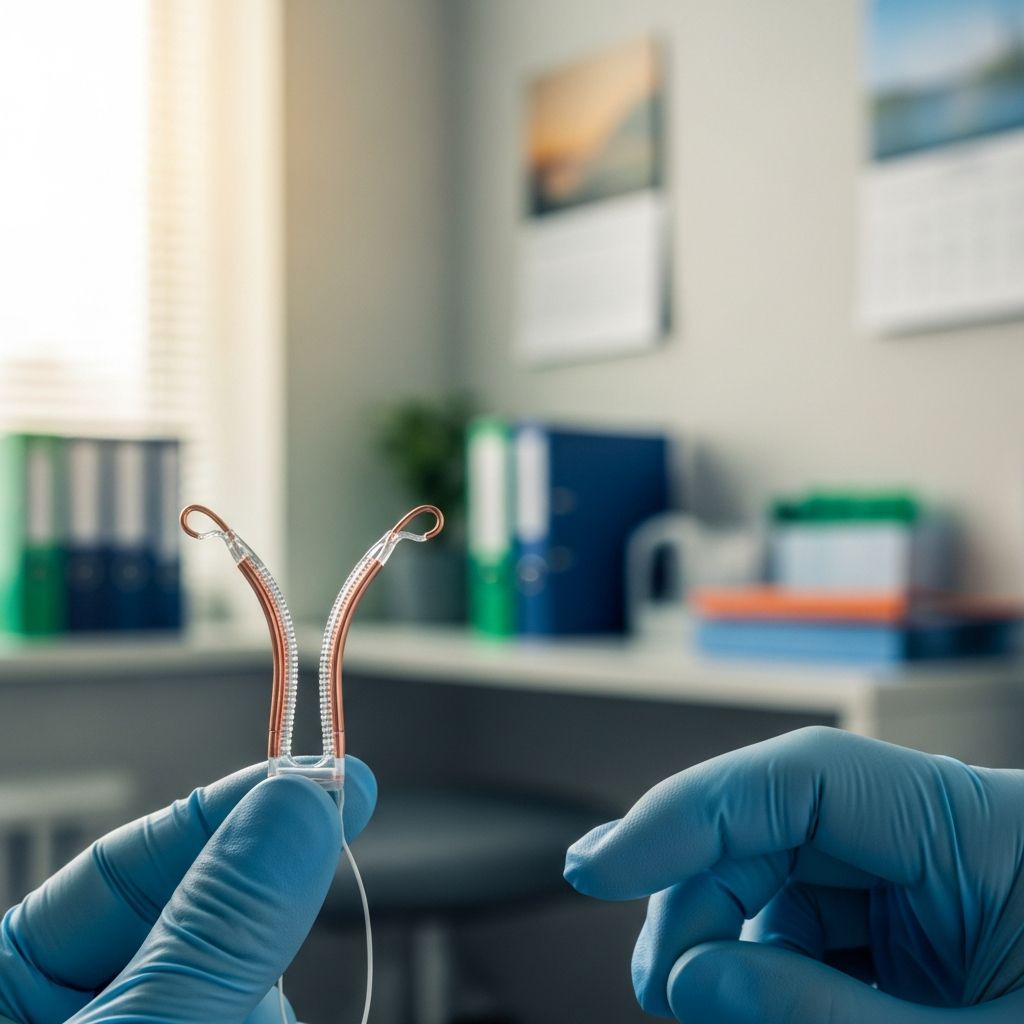
Intrauterine devices (IUDs) are among the most effective and long-acting forms of birth control available, offering contraceptive protection for up to 10 years depending on the brand. However, the cost of obtaining an IUD can be a significant barrier for many people, particularly those without health insurance coverage. While an IUD insertion—which requires a medical office visit—plus the device itself can cost as much as $1,300 out of pocket, there are numerous strategies and resources available to help uninsured individuals access this important reproductive health option without paying the full price.
Understanding IUD Costs Without Insurance
The financial burden of obtaining an IUD without insurance is substantial. According to reproductive rights organizations, the total cost for an IUD insertion and device can range from $500 to $1,800, depending on the specific type of IUD and the healthcare provider. To put this in perspective, the Guttmacher Institute notes that this amount represents roughly a month’s full-time salary at the federal minimum wage, making it an impossible expense for many low-income individuals.
The variation in pricing depends on several factors, including whether you choose a hormonal IUD like Mirena or a copper IUD like Paragard, as well as the location and type of healthcare facility where you receive the procedure. Understanding these costs is the first step toward finding affordable alternatives.
Insurance Coverage of IUDs: What You Should Know
For those with health insurance, the financial landscape looks significantly different. The Affordable Care Act (ACA), enacted in 2010, established a legal requirement for most health care plans to cover a variety of birth control methods without cost-sharing. This means no co-payments and no requirement to meet your deductible before receiving coverage.
Healthcare.gov confirms that covered methods include birth control pills, diaphragms, sponges, counseling, sterilization, emergency contraception, and IUDs. At one point in 2014, more than 91% of people who received an IUD paid nothing out of pocket, demonstrating the transformative impact of ACA coverage requirements.
The Biden administration has reinforced these protections through official communications to health plan sponsors, confirming that issuers must cover at least one form of contraception in each category, as well as FDA-approved contraceptive products that an individual and their healthcare provider determine to be medically appropriate.
What Insurance Covers for IUD Procedures
If you have health insurance coverage, your plan typically covers the full cost of:
– Discussion and counseling about birth control options- Health screenings and STI testing- The appointment to insert the IUD- The IUD device itself- Ultrasound to confirm proper IUD placement- Follow-up visits to monitor the IUD- Removal of the IUD when desired
Challenges with IUD Insurance Coverage
Despite legal requirements, insurance coverage for IUDs is not always straightforward. The Biden administration acknowledged in official correspondence that there are “troubling and persistent reports of noncompliance” with ACA contraceptive coverage requirements. Some insurance companies continue to create barriers that shouldn’t exist under current law.
Additionally, while health care insurers must cover both types of IUDs—hormonal and copper options—they are not required to cover every brand available. Insurance companies often limit coverage to specific brands, though they must provide a waiver if your doctor recommends a different brand based on your health history or potential side effects, as IUDs can vary in size and dosage.
To determine which IUD brands your insurance covers, contact your provider directly. Major manufacturers like Mirena and Paragard provide specific instructions for this process. When calling, identify the IUD as a “healthcare professional-administered method of birth control” and ask about coverage under the Affordable Care Act. Some insurance companies may also classify IUDs as pharmacy benefits rather than medical benefits, so it’s worth checking both categories if initial inquiries don’t yield results.
Getting an IUD for Free
Contrary to the legal requirement that insurance must cover IUDs without cost-sharing, not all insured individuals actually receive free coverage. This discrepancy has prompted government investigation and action. However, there are legitimate ways to obtain an IUD at no cost.
If you have coverage through your employer, your state’s health marketplace, or Medicaid, you can typically access an IUD for free. One important caveat: workplace plans through certain religious and nonprofit organizations, short-term health insurance policies, and supplemental policies may not cover IUDs due to their specific exemptions from ACA requirements.
How to Afford an IUD Without Insurance
For uninsured individuals, several practical options can significantly reduce or eliminate the cost of obtaining an IUD.
Sliding Scale Fee Programs
The most accessible option for many uninsured people is to contact local clinics, hospitals, and health centers, including Planned Parenthood offices, to inquire about sliding scale fee programs. These programs tie the cost of your IUD to your income level, meaning lower-income individuals pay reduced or even zero fees for the procedure and device. Sliding scale clinics often serve as the primary source of affordable contraception for uninsured and underinsured populations.
Medicaid Eligibility
Medicaid is a government program that helps low-income Americans with medical costs, including contraceptive services. If you have a low income, you may qualify for Medicaid coverage, which typically covers IUDs at no cost. Each state administers its own Medicaid program with varying eligibility requirements, so it’s worth checking your state’s specific guidelines to determine if you qualify. Medicaid coverage often provides the most comprehensive protection, including the device, insertion procedure, and all related medical services.
Manufacturer Assistance Programs
Some IUD manufacturers offer assistance programs for uninsured or underinsured individuals. For example, Mirena offers a Co-pay Savings Program that may help reduce costs for eligible patients. Contacting the manufacturer directly can provide information about available patient assistance programs specific to your chosen IUD brand.
Where to Get an IUD
Knowing where to access IUD services is as important as understanding the cost. You can obtain an IUD at several types of healthcare facilities:
– Your gynecologist’s office- Family planning clinics- Your local Planned Parenthood location- Community health centers- Hospital-based clinics
If you have regular health insurance, scheduling an appointment with your primary care gynecologist is typically the most convenient option. For uninsured individuals, free or low-cost clinics like Planned Parenthood often provide more accessible entry points and can help connect you with financial assistance programs.
IUD Removal Costs
While IUD insertion receives significant attention, removal costs are equally important to understand. Regular insurance plans cover the full cost of IUD removal without requiring you to meet your deductible or pay copays or coinsurance. However, if you don’t have health insurance or Medicaid, IUD removal could cost up to $250.
The good news is that many clinics offer discounted or free IUD removal for individuals who cannot afford the standard fees, similar to their insertion cost-sharing programs. This ensures that financial barriers don’t prevent people from removing their IUD when they choose to do so.
Insurance Company Limitations and Your Rights
Insurance companies may attempt to limit IUD access through prior authorization requirements, where they require permission from your doctor before approving coverage. Some may also require that you try a cheaper contraceptive option first. However, by law, insurance companies cannot restrict your access to IUDs or make it unnecessarily difficult to obtain coverage.
If your doctor recommends using an IUD brand not covered by your health plan, your insurance company must make an exception and fully cover the alternate brand. This legal protection prevents insurance companies from forcing patients to use potentially ineffective products and ensures that medical decisions remain with you and your healthcare provider.
Frequently Asked Questions
Q: How much do IUDs cost without insurance?
A: Without insurance, IUD costs typically range from $500 to $1,800, depending on the type of device and healthcare provider. However, sliding scale clinics, Medicaid, and manufacturer programs can reduce or eliminate this cost.
Q: Does the Affordable Care Act really require insurance companies to cover IUDs?
A: Yes, the ACA legally requires most health insurance plans to cover FDA-approved birth control methods, including IUDs, without cost-sharing. However, some grandfathered plans and specific religious or nonprofit employer plans may be exempt from this requirement.
Q: Can I get an IUD for free?
A: You can get an IUD for free if you have coverage through your employer, state health marketplace, or Medicaid. Even without insurance, you may qualify for free or reduced-cost IUDs through sliding scale clinics and other community health programs.
Q: What should I do if my insurance company says it won’t cover my IUD?
A: Contact your insurance company and cite the Affordable Care Act requirement. If you continue facing resistance, you may need to request a medical exception through your doctor, as insurance companies are legally required to cover IUDs. You can also file a complaint with your state’s insurance commissioner.
Q: Are all IUD brands covered by insurance?
A: Insurance companies must cover at least one brand of each IUD type, but they may not cover all brands. If your doctor recommends a specific brand not covered by your plan, your insurance must make an exception and cover it at no cost to you.
Q: What’s the difference between sliding scale fees and Medicaid?
A: Sliding scale fees are income-based fees charged by specific clinics, while Medicaid is a government insurance program. Sliding scale clinics serve anyone regardless of insurance status, while Medicaid specifically covers low-income individuals who qualify for the program.
Q: How much does IUD removal cost?
A: With insurance, removal is typically free. Without insurance, removal can cost up to $250, though many clinics offer discounted or free removal services for uninsured patients.
References
- How to Get an IUD — Even if You Don’t Have Insurance — Money.com. 2024. https://money.com/get-an-iud-no-insurance/
- What Does an IUD Cost, and When Is It Free? — ValuePenguin. 2024. https://www.valuepenguin.com/iud-cost-health-insurance
- Thinking About Getting an IUD? 6 Options (With Cost) — GoodRx. 2024. https://www.goodrx.com/conditions/birth-control/thinking-about-getting-an-iud-there-are-6-to-choose-from
- Most Insurance Covers IUDs. Hers Cost More Than $14,000. — KFF Health News. 2025. https://kffhealthnews.org/news/article/surprise-bill-iud-pennsylvania-january-bill-of-the-month/
- How much does an IUD cost? $0 or $500 or… — ClearHealthCosts. 2024. https://clearhealthcosts.com/blog/2024/12/how-much-does-an-iud-cost-0-or-500-or-2600-and-is-it-covered/
- Affordable Care Act — U.S. Department of Health & Human Services. Healthcare.gov. https://www.healthcare.gov/
Similar Articles








Read full bio of Sneha Tete