How to Get Groceries for Free: Smart Money-Saving Strategies
Discover practical methods to reduce your grocery spending and get free food through gleaning, discounts, and smart shopping.
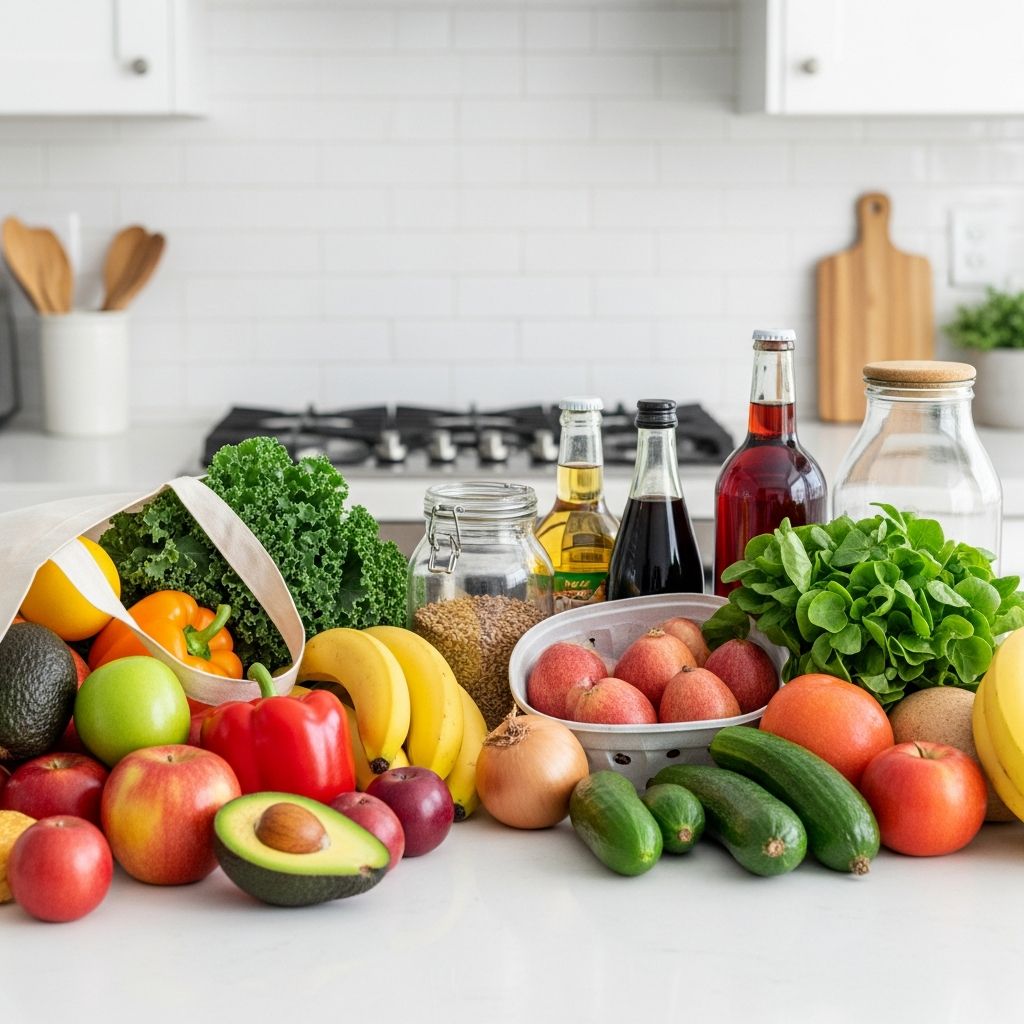
One of the largest expenses in any household budget is groceries. Families spend hundreds, sometimes thousands of dollars each month on food, making it one of the most significant opportunities for savings. Rather than accepting high grocery bills as inevitable, there are numerous creative and practical strategies that can help you reduce your food expenses substantially or even obtain groceries for free. From traditional gleaning practices to leveraging senior discounts and implementing smart shopping techniques, this comprehensive guide will explore multiple methods to minimize your grocery spending while maintaining nutrition and food quality.
Understanding Gleaning: Free Food from the Field
One of the most effective yet underutilized methods for obtaining free groceries is gleaning. Gleaning is the practice of harvesting leftover crops from farmers’ fields after the main commercial harvest has been completed. This age-old practice not only provides free produce but also reduces food waste and connects you directly with local agricultural sources.
When you participate in gleaning, you’re collecting fresh fruits and vegetables that would otherwise go unused. Farmers often welcome gleaners because it reduces waste on their property and can sometimes provide tax benefits. The produce obtained through gleaning is typically fresh, organic, and far superior in quality to what you might find in conventional supermarkets.
How to Get Started with Gleaning
- Research local farms in your area that allow gleaning activities
- Contact your county extension office or local agricultural department for gleaning resources
- Join community gleaning organizations or Facebook groups dedicated to free food collection
- Visit farmers’ markets and ask farmers directly about gleaning opportunities
- Bring appropriate containers and wear comfortable work clothes
- Go early in the morning or late afternoon when temperatures are cooler
- Understand seasonal produce availability in your region
- Share your harvest with friends, family, or local food banks
Gleaning typically occurs during harvest seasons, which vary depending on your geographic location and the types of crops grown locally. By timing your gleaning activities appropriately, you can stock up on fresh produce during peak seasons, allowing you to preserve excess through freezing, canning, or dehydrating.
Leveraging Senior Discounts for Grocery Savings
If you or a family member qualifies as a senior, significant grocery savings opportunities await you. Many retailers offer substantial discounts for customers aged 50, 60, or 62 and older, depending on the store’s policy. These discounts can apply not only to groceries but also to dining, travel, and other household expenses.
Major Retailers with Senior Grocery Discounts
| Retailer | Age Requirement | Discount Details |
|---|---|---|
| Hyatt Hotels | 62+ | Special senior rates on accommodations |
| Marriott | 62+ | Discounted hotel stays |
| Kohl’s | 50+ | Senior discount days and special offers |
| Various grocery chains | 55-65+ | Weekly discounts on select items |
These discounts can range from 5 to 15 percent off regular prices, which translates to substantial savings over time. Some retailers offer dedicated senior shopping hours or special senior discount days when additional promotions apply. Always ask your local grocery store if they have a senior discount program, as many smaller regional chains also participate in these initiatives.
Smart Shopping Without Breaking Your Budget
Beyond gleaning and senior discounts, numerous other strategies can dramatically reduce your grocery expenses. The key is developing a systematic approach to food shopping that prioritizes value, reduces waste, and eliminates impulse purchases.
European-Style Shopping for Freshness and Savings
Rather than making one large grocery shopping trip per week, consider adopting a European-style approach where you shop more frequently for smaller quantities. This method offers several advantages: you purchase only what you need for the next meal or two, reducing food spoilage and waste; you can take advantage of daily sales and specials; and you maintain fresher ingredients throughout the week.
When implementing this approach, stock your pantry with basic staples that provide a foundation for meals. Essential items include salt, pepper, oils, vinegar, mustard, milk, and eggs. These basics allow you to rotate fresh ingredients while maintaining a stable of affordable, versatile foods. By shopping this way, you avoid the temptation to purchase large quantities of expensive specialty items that may spoil before use.
Shopping at Alternative Markets
Conventional supermarkets are not your only option for affordable groceries. Specialty markets, ethnic markets, and farmer’s markets often offer significantly cheaper produce than mainstream retailers. Green markets in particular frequently have vegetables and fruits at prices 30 to 50 percent lower than traditional grocery stores.
These alternative markets offer additional benefits beyond price savings. You can discover new foods and cuisines, support local farmers and small business owners, and often find higher quality, fresher produce. Trying new items like tofu products or specialty vegetables expands your culinary skills and provides variety in your diet.
The Aldi Advantage
For those with access to Aldi stores, this chain represents exceptional value in grocery shopping. With over 8,800 locations worldwide, Aldi typically offers prices approximately 45 percent lower than conventional supermarkets. Their limited product selection actually contributes to lower costs, as the company can negotiate better prices on high-volume items. Their store brand products meet quality standards comparable to name brands while costing significantly less.
Meal Planning and Food Preparation Strategies
Reducing grocery expenses requires rethinking traditional concepts of meals and portion sizes. By being flexible about when you consume certain foods, you can maximize your budget and reduce waste.
Redefine What Constitutes a Meal
Many people unnecessarily constrain themselves by believing breakfast must be breakfast foods, lunch must be lunch foods, and dinner must be dinner foods. In reality, any nutritious food can be consumed at any time. Eating leftover chicken pasta for breakfast at work is perfectly acceptable and can save substantial money compared to purchasing conventional breakfast items or eating out.
This flexibility allows you to purchase foods based on price and availability rather than meal category, maximizing your purchasing power and reducing waste. If chicken is on sale, purchase extra to use across multiple meals throughout the week.
Avoid Over-Purchasing
One of the most common grocery shopping mistakes is purchasing large quantities of items you won’t use before they spoil. While bulk buying can save money for items with long shelf lives, it creates waste and actually increases expenses when foods expire unused. Buy larger quantities only when you have a concrete plan to use the entire amount.
Batch Cooking and Seasonal Eating
Take advantage of seasonal produce when prices are lowest. In-season items like peaches at 59 cents per pound represent exceptional value. Purchase seasonal produce in quantity and preserve it through freezing, canning, or drying for use throughout the year.
Batch cooking involves preparing large quantities of basic ingredients during your available time, then combining them in different ways throughout the week. Cook dried beans in large batches, roast vegetables in bulk, and prepare grains in quantity. These basic components can then be combined in numerous ways to create varied meals while minimizing daily cooking time and reducing overall food costs.
Setting and Maintaining Your Grocery Budget
Regardless of which money-saving strategies you implement, establishing a clear budget is essential for success. Without a defined spending limit, expenses naturally expand to consume available resources.
Budget-Setting Best Practices
- Determine a realistic weekly or monthly grocery budget based on family size and dietary needs
- Track every grocery purchase to ensure you’re staying within your predetermined limit
- Calculate your actual spending weekly to identify problem areas early
- Adjust your budget if needed, but do so intentionally rather than allowing expenses to drift upward
- Aim for 100 percent utilization of all food entering your home—minimize waste to maximize value
- Plan meals around foods already in your pantry rather than purchasing new items
- Use inexpensive items like dried beans to stretch your budget further
Families have successfully maintained grocery budgets as low as $100 per week for five people through careful planning and strategic shopping. While your specific budget will depend on your circumstances, these principles apply universally.
Additional Money-Saving Tips for Grocery Shopping
Beyond the major strategies already discussed, numerous smaller techniques contribute to overall grocery savings when combined consistently.
Preventing Food Waste and Spoilage
Proper food handling prevents costly waste and maintains food safety. When thawing food, use your refrigerator or microwave rather than leaving food at room temperature. This prevents bacterial growth while thawing gradually. Proper thawing reduces food waste from spoilage and eliminates the risk of food poisoning.
Store produce properly to extend shelf life. Learn which items require refrigeration and which do better at room temperature. Understanding proper storage techniques can extend produce freshness by weeks, reducing the need for frequent shopping trips and minimizing waste.
Online Grocery Shopping Considerations
When shopping for groceries online for the first time, start with safe, non-perishable items to test the service. Once you’re comfortable with online ordering, you can expand to fresh items. Online shopping can reduce impulse purchases since you’re shopping from a list on your screen rather than walking through aisles full of tempting products.
Frugal Food Ideas Beyond Groceries
While maximizing your grocery spending is crucial, entertainment and dining represent additional budget areas where strategic choices produce significant savings. For instance, frugal date night ideas like stargazing or making special desserts together at home cost virtually nothing while creating memorable experiences.
Frequently Asked Questions
Q: What exactly is gleaning and is it legal?
A: Gleaning is the practice of harvesting leftover crops from farmers’ fields after commercial harvesting is complete. It is legal when done with the farmer’s permission. Always contact farmers directly before gleaning on their property, and understand that different farmers have different policies regarding gleaning activities.
Q: How much can I realistically save by implementing these strategies?
A: Savings vary based on your starting point and which strategies you implement. Families report saving 30 to 50 percent on grocery expenses by combining gleaning, strategic shopping, and careful planning. The more strategies you employ consistently, the greater your total savings.
Q: Are senior discounts available even if I’m younger?
A: Many retailers offer discounts to customers as young as 50, while others require age 62 or older. Check with your local grocery stores and retailers directly to understand their specific senior discount policies. You may also qualify if you shop on behalf of a senior household member.
Q: How do I find gleaning opportunities near me?
A: Contact your local county extension office, visit farmers’ markets and ask vendors directly, search online for gleaning organizations in your area, and check community Facebook groups dedicated to free food and local agriculture.
Q: Can I maintain good nutrition while following these money-saving strategies?
A: Yes. Gleaning provides fresh produce full of nutrients, seasonal eating ensures peak nutritional content, batch cooking with basic ingredients supports balanced meals, and strategic shopping allows you to prioritize nutritious foods. Saving money and eating well are not mutually exclusive.
Q: What items should I avoid when shopping on a budget?
A: Avoid pre-packaged convenience foods, processed items, and name brands when store brands are available. Skip items not on your list, avoid shopping while hungry, and don’t purchase large quantities unless you have a specific usage plan.
References
- Best Money Tips: How to Get Groceries for Free — Wise Bread. Accessed January 2026. https://www.wisebread.com/best-money-tips-how-to-get-groceries-for-free
- How to Grocery Shop for Five on $100 a Week — Wise Bread. https://www.wisebread.com/how-to-grocery-shop-for-five-on-100-a-week
- 10 Things I’ve Learned From Grocery Shopping on a Budget — Wise Bread. https://www.wisebread.com/10-things-ive-learned-from-grocery-shopping-on-a-budget
- Grocery Shopping for the Cheap and Lazy — Wise Bread. https://www.wisebread.com/11-ways-to-shop-for-food-cheaply-without-a-tedious-grocery-list
Similar Articles








Read full bio of medha deb