How To Get Cash Back From A Credit Card: Smart Tips
Master cash back rewards: Learn how to earn and redeem rewards on every purchase.

How To Get Cash Back From A Credit Card
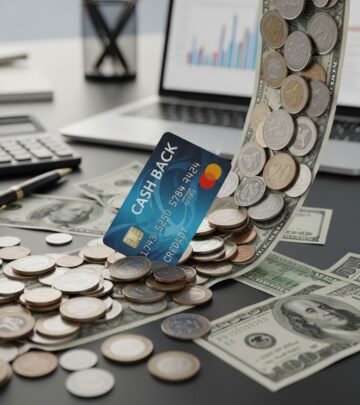
Life is expensive, and it feels like a win when you get cash back for using a credit card on purchases you would have made regardless, such as buying gas or dining out. Cash back credit cards offer a simple way to earn rewards on your everyday spending. To earn cash back from a credit card, you simply need to make purchases that qualify for rewards. You’ll automatically earn a percentage back each time you make an eligible purchase with your card, according to the terms of your card.
Understanding Cash Back Basics
Cash back is a form of credit card rewards you earn by making purchases with your credit card. You can redeem those rewards for statement credits, account deposits, gift cards, and more. Cash back cards give you back a certain percentage of your qualifying spending in the form of cash rewards. The concept is straightforward: every dollar you spend earns you a reward that you can eventually convert into real money or use to offset your credit card balance.
Types of Cash Back Credit Cards
Cash back cards are categorized into two main types: flat-rate credit cards and bonus (or rotating) category cash back cards. Understanding the differences between these categories will help you choose the card that best fits your spending habits and financial goals.
Flat-Rate Cash Back Cards
Flat-rate credit cards offer a straightforward approach to earning cash back. With a flat-rate cash back credit card, every purchase earns the same rate of cash back, regardless of category or merchant. The best flat-rate cards give cardholders 1.5 percent to 2 percent cash back on all purchases. A more common flat-rate amount is 1.5 percent on your purchases, which is what the Capital One Quicksilver Cash Rewards Credit Card offers, for example. Earn a flat 1.5 percent cash back rate on all purchases, which works out to $15 in cash back for every $1,000 spent.
For example, the Citi Double Cash Card provides up to 2 percent cash back on every purchase — 1 percent when you make a purchase and another 1 percent when you pay off your purchases. That means that for every $100 you spend on your card, you earn $2 back. Flat-rate credit cards appeal to people who prefer predictable rewards and don’t want to juggle credit cards for various spending categories. They’re also useful for purchases that aren’t typically covered by bonus or rotating category cards.
Consider the recurring expenses you have every month, such as utility and internet bills. These categories aren’t typically covered by bonus rewards categories, so a flat-rate credit card could come in handy if you’re looking to get cash back on predictable monthly expenses.
Tiered Category Cash Back Cards
Some credit cards offer higher cash back percentages on certain types of purchases. These cards are called tiered-rate cash back cards because you get a higher rate of cash back, usually between 2 and 5 percent — but sometimes higher — on purchases in certain categories, like gas or groceries. These tiered categories sometimes have spending limits that will cause the category rewards to drop down to 1 percent once that limit is reached. All other purchases generally earn 1 percent cash back, as well.
Fixed Bonus Category Cards
For cash back credit cards with fixed bonus categories, the categories generally remain the same over time. These cards provide consistent rewards on specific purchase types, making it easier to plan your spending strategy around the bonus categories.
Rotating Category Cash Back Cards
For cards with rotating bonus categories, categories can change quarterly or monthly. These cards require activation to earn rewards, so it’s important to keep a close eye on your issuer’s category rotation schedule. Some bonus cash back cards also offer the flexibility of choosing your own bonus categories or automatically offer bonus cash back on your biggest eligible spending category each month.
Examples of Popular Cash Back Cards
Chase Freedom Flex
The Chase Freedom Flex offers rotating cash back categories and tiered cash back categories. Beyond the Chase Freedom Flex bonus category, cardholders can also earn 5 percent back on Chase Travel purchases, 3 percent back on drugstore and dining purchases (including restaurants, takeout and eligible delivery services), and 1 percent cash back on all other purchases. The card offers 5 percent cash back on activated rotating categories each quarter (on up to $1,500 in purchases per quarter, then 1 percent back).
Bank of America Customized Cash Rewards Card
The Bank of America Customized Cash Rewards credit card lets you choose one of several rewards categories in which to earn 3 percent cash back. Category options include gas (and electric vehicle charging stations), online shopping (plus cable, streaming, internet and phone services), dining, travel, drugstores, and home improvement and furnishing purchases. In addition, you’ll earn 2 percent cash back at grocery stores and wholesale clubs (on up to $2,500 in combined 3 percent and 2 percent category purchases each quarter, then 1 percent). You can change your selection once per calendar month, and you earn 1 percent cash back on all other purchases.
Citi Custom Cash Card
The Citi Custom Cash Card takes the manual selection process out of the equation with an automatically optimized rewards system. Instead, you’ll earn 5 percent cash back (on up to $500 each billing cycle, then 1 percent) on your top spending category each billing cycle and unlimited 1 percent on all other purchases. The categories eligible for 5 percent cash back include various common spending categories.
Discover Cash Back Cards
The Discover it Cash Back and Discover it Student Cash Back take a different approach. Cardholders earn a flat 1 percent cash back for all regular spending with these cards, but also earn 5 percent cash back on up to $1,500 spent in quarterly rotating categories (activation required). After you hit that spending cap, you’ll earn 1 percent cash back on additional purchases in these rotating categories. These cards come with no annual fee, making them all good choices to keep in your wallet.
How to Earn Cash Back
Earning cash back is simple and automatic. Here’s what you need to know:
Qualifying Purchases
To earn cash back, simply make purchases with your credit card that qualify for rewards. Most everyday purchases qualify, including groceries, gas, dining, travel, and retail shopping. The specific purchases that earn cash back depend on your card’s rewards structure.
Automatic Reward Accrual
You’ll automatically earn a percentage back each time you make an eligible purchase with your card. The reward is immediately added to your rewards account and begins accumulating. There’s no extra step required — the rewards are calculated automatically based on your card’s reward structure.
Category Activation
For rotating category cards, some cards require quarterly activations in order to earn a boosted rate on new bonus categories. If you don’t activate your bonus categories, you won’t get the boosted rate. It’s important to keep track of your card’s activation schedule to ensure you’re earning the maximum rewards available.
Spending Caps
Typically, rotating categories (and some bonus categories) are capped at a specific spending maximum, after which your cash back rate drops to 1 percent. For example, some cards may offer 5 percent cash back on groceries only up to $1,500 per quarter, then 1 percent on additional grocery purchases. Understanding these caps helps you plan your spending strategy accordingly.
Special Cash Back Options
Cash Back at the Register
In a break from the norm, Discover cardholders can request fee-free cash over purchases when shopping at dozens of retailers nationwide, including Rite Aid, Trader Joe’s, Aldi, Kroger and Texaco. You can request up to $120 in a 24-hour period. When using your Discover card at the checkout, the merchant terminal will prompt you to select the amount of cash you’d like to receive. There are no transaction fees associated with this service. Keep in mind that this cash withdrawal is still subject to the same purchase APR as your other Discover purchases.
Understanding Cash Advances vs. Cash Back
It’s important not to confuse cash back rewards with cash advances. Cash advances aren’t eligible transactions to earn credit card rewards (including cash back rewards). If you need physical cash, a cash advance involves borrowing money against your credit line and typically comes with higher fees and interest rates. The cash back at the register through Discover doesn’t qualify as a cash advance, making it a more favorable option for obtaining physical currency.
How to Redeem Cash Back Rewards
The process of redeeming your rewards depends on the specific terms and conditions of the cash back card you hold. Your card may require you to accrue a minimum amount of cash back rewards before you can redeem them. Here are the most common redemption options:
Statement Credits
One of the easiest ways to redeem cash back is for statement credits to your account. This redemption effectively lowers the amount you owe on your credit card bill, thus helping you save money over time. If you earn 2 percent cash back on all purchases and redeem your rewards for cash back, for example, you would ultimately save 2 percent on everything you buy with your card.
Direct Bank Deposit
Many card issuers allow you to have your cash back rewards deposited directly into a linked bank account. This provides you with liquid funds that you can use for any purpose. The process is typically straightforward and can be set up through your online account.
Check Payments
Some issuers allow you to redeem cash back for a check. This option is useful if you prefer not to use electronic transfers or if you want a physical record of your rewards redemption.
Gift Cards and Shopping
Many issuers also allow you to redeem cash back for gift cards, merchandise or shopping with select retailers. This option is particularly useful if you have specific stores where you like to shop.
Other Redemption Methods
Redeeming earned rewards as cash depends on the type of card you’ve earned those rewards with. Flat-rate cards earn the same rewards across all purchases, while rotating rewards cards offer higher rewards on specific categories that can include gas, groceries and travel. You can then redeem those rewards for a range of options that include statement credits, gift cards and bonus checks.
Maximizing Your Cash Back Strategy
Combining Multiple Cards
The best flat-rate cash back credit cards typically offer between 1.5 percent and 2 percent cash back on all purchases with no spending caps. These pair nicely with cards offering cash back in select bonus categories because these cards typically earn more for the purchases you spend on the most. By strategically combining a flat-rate card with a bonus category card, you can maximize your rewards across all spending.
Flat-Rate and Rotating Category Strategy
For this strategy, you’ll use your flat-rate cash back card for nearly everything except purchases that can be covered by your rotating category card. This ensures you’re always earning the highest possible rate on each purchase.
Staying Organized
Keep track of your card’s bonus categories, spending caps, and activation requirements. Mark calendar reminders for quarterly rotations and activation deadlines to ensure you don’t miss out on higher rewards rates.
Frequently Asked Questions
Q: How much cash back can I earn?
A: The amount of cash back you can earn depends on your card’s rewards structure and your spending. Flat-rate cards typically offer 1.5 to 2 percent on all purchases with no caps, while bonus category cards may offer 3 to 5 percent on specific categories with spending limits.
Q: Are there annual fees associated with cash back cards?
A: Many popular cash back cards, including the Discover it cards, come with no annual fee. However, some premium cash back cards may charge an annual fee. Always check the card’s terms before applying.
Q: Can I earn cash back on all purchases?
A: Most everyday purchases qualify for cash back, but certain transactions like cash advances, balance transfers, and fees typically don’t earn rewards. Check your card’s terms for a complete list of qualifying purchases.
Q: How often can I redeem my cash back?
A: Redemption frequency varies by card issuer. Some cards allow redemptions at any time, while others may have minimum redemption amounts. Check your card’s terms for specific redemption policies.
Q: What happens to unused cash back rewards?
A: Most credit card issuers don’t expire cash back rewards, so they’ll continue to accumulate in your account until you choose to redeem them. Always verify your card’s expiration policy to be certain.
Q: Can I transfer cash back to another card?
A: Cash back rewards are typically specific to the card that earned them and cannot be transferred to another card. However, you can redeem them and use the funds for any purpose.
References
- How Does Cash Back Work? — Bankrate. 2025. https://www.bankrate.com/credit-cards/cash-back/how-cash-back-works/
- How To Get Cash Back From A Credit Card — Bankrate. 2025. https://www.bankrate.com/credit-cards/cash-back/how-to-get-cash-back-from-a-credit-card/
- How To Maximize Cash Back With Your Credit Card — Bankrate. 2025. https://www.bankrate.com/credit-cards/cash-back/maximize-cash-back-strategy/
- Guide To The 2025 Discover Cash Back Calendar — Bankrate. 2025. https://www.bankrate.com/credit-cards/cash-back/guide-to-discover-it-cash-back-bonus-categories/
- A Beginner’s Guide To Credit Card Points — Bankrate. 2025. https://www.bankrate.com/credit-cards/rewards/how-do-credit-card-points-work/
- Why You Should Have A 2% Cash Back Card — Bankrate. 2025. https://www.bankrate.com/credit-cards/cash-back/why-you-should-have-a-2-percent-cash-back-card/
Similar Articles








Read full bio of Sneha Tete